
A Quebec man, Joël Lapointe, notices a large indentation while using Google Maps to plan a camping trail in the Côte-Nord region. After he shared the find, scientists investigate the site and confirm it is an ancient meteor impact crater. Research indicates the crater dates to about 390 million years ago. To validate the impact origin, the team studies the local geology and reports evidence consistent with a high-energy collision, including impact-melt rock and shatter cones—features associated with meteor impacts. The crater is identified as remote and requires a difficult journey to reach, according to accounts of the expedition. The site is also given the name “Uhackatik,” developed in consultation with the local Innu Council. Together, the reporting describes how an online mapping discovery leads to fieldwork and geologic confirmation of a buried or otherwise not widely known impact structure, adding to the catalog of known impact craters and helping document Earth’s past bombardment events.
Scientists confirm ancient meteor crater in Quebec spotted via Google Maps
A Quebec man, Joël Lapointe, notices a large indentation while using Google Maps to plan a camping trail in the Côte-Nord region. After he shared the find, scientists investigate the site and confirm...
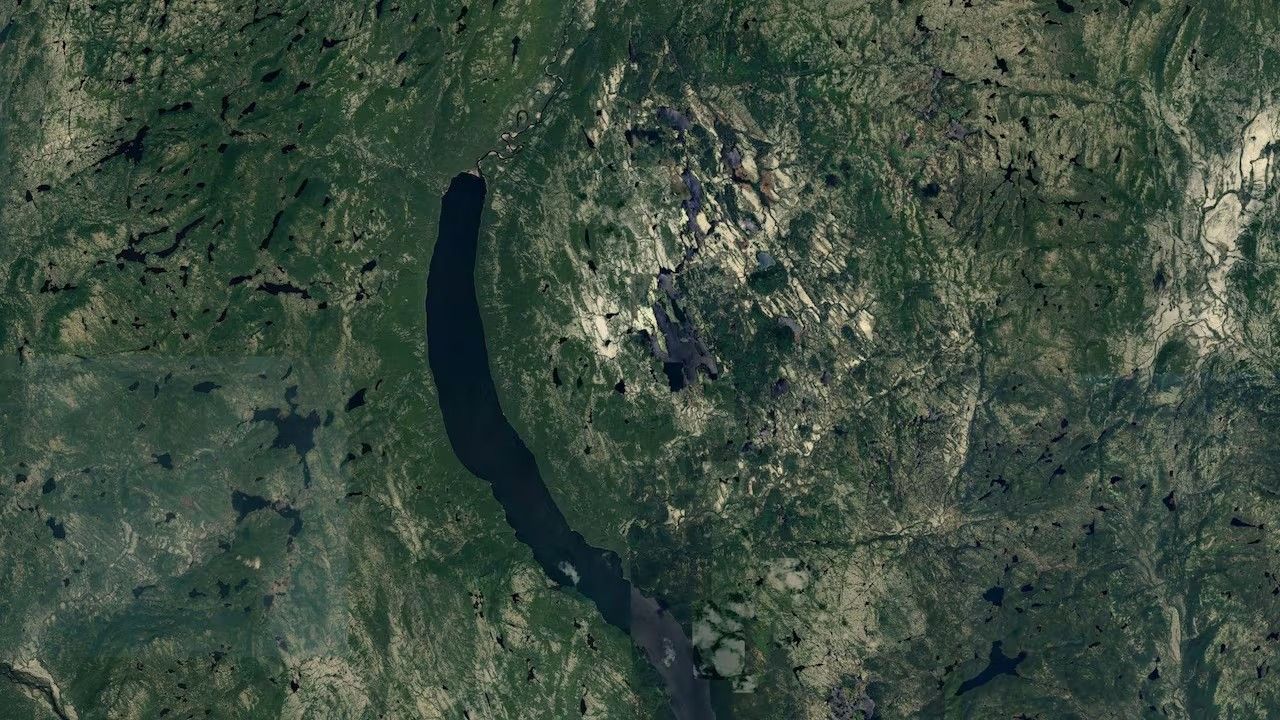
- A man in Quebec finds a large pit/indentation using Google Maps while planning a camping route.
- Scientists confirm the feature is a meteor impact crater.
- Geologic evidence cited includes impact-melt rock and shatter cones.
- The crater is estimated to be about 390 million years old.
- The crater is named Uhackatik with consultation involving the local Innu Council.
Joël Lapointe was using Google Maps to plan a camping trail through Quebec's Côte-Nord region when he stumbled across a large indentation. Now, scientists have confirmed that the pit was indeed a meteor impact crater that dates back roughly 390 million years.
4 hours agoA Canadian man found a large meteor crater while using Google Maps for vacation planning. Researchers confirmed the 390-million-year-old impact site in remote Quebec after a difficult journey. They discovered impact melt rock and shatter cones, which are signs of a massive cosmic collision. The crater, named Uhackatik, was named in consultation with the local Innu Council. This significant discovery highlights how ordinary people can contribute to scientific understanding.
9 hours ago
Kogi State rescues four kidnapped persons from exam centre attack
Kogi State Government announces that four people kidnapped during an attack on an examination centre in Olowa, Dekina Lo...

DOC to introduce online permits for trapping feral cats
The Department of Conservation (DOC) will introduce an online permit system for trapping feral cats on conservation land...

Unusual “experimental explosion” label appears on US earthquake alert for Florida coast
Multiple reports say an unusual designation—“experimental explosion”—appears on the US government’s earthquake monitorin...