
The Reserve Bank of India (RBI) issues prudential norms clarifying how banks must treat specified non-financial assets (including immovable property) acquired during recovery of stressed loans. Under the rules, banks are generally not expected to take possession of non-financial assets as part of regular lending. In exceptional cases, when an exposure turns non-performing and legal or contractual remedies are invoked, a bank may acquire ownership of an immovable asset provided as collateral security as part of its recovery strategy. RBI directions state that once acquired, such specified non-financial assets cannot be sold back to the borrower or related parties. The RBI also sets timelines for disposal, requiring banks to dispose of the asset within the maximum period in their policy, capped at seven years, and to make efforts to sell at the earliest through a public auction. The RBI notes that it does not agree with suggestions that borrowers should be allowed to buy back the property, citing concerns about moral hazard and reduced credit discipline. The norms also address valuation at acquisition and require reclassification if the asset is put to the bank’s own use.
RBI bars banks from selling recovered immovable properties back to defaulting borrowers
The Reserve Bank of India (RBI) issues prudential norms clarifying how banks must treat specified non-financial assets (including immovable property) acquired during recovery of stressed loans. Under...
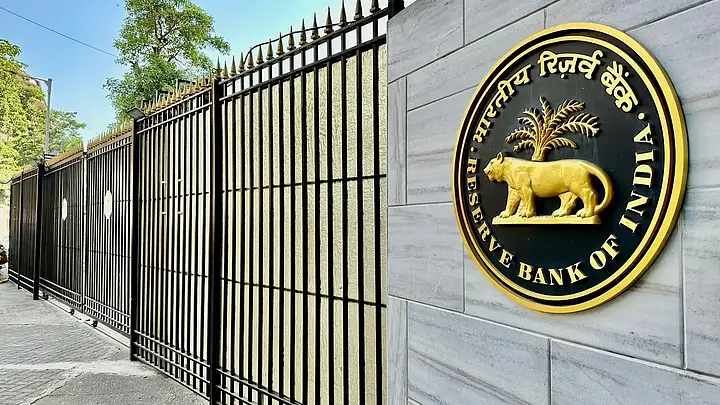
- RBI issues prudential norms for specified non-financial assets (including immovable property) acquired by banks during recovery.
- In exceptional cases, banks may acquire collateral immovable assets when exposures become non-performing and legal/contractual remedies are used.
- After acquisition, banks cannot sell the recovered immovable asset back to the borrower or related parties.
- Banks must dispose of such assets within a maximum disposal period set in policy, capped at seven years, with efforts to sell via public auction.
- The directions take effect from October 1, 2026, and include guidance on valuation and reclassification if the asset is put to the bank’s own use.
In order to provide clarity on the prudential treatment of such specified non-financial assets, including non-banking assets, acquired by a bank through various mechanisms, the RBI has issued prudential norms.
3 hours agoMumbai, July 16: The Reserve Bank on Thursday said a bank that has acquired an immovable asset in an exceptional case as part of a recovery process cannot sell it back to the borrower or related parties.Regulated entities (banks), in the normal course, are not expected to come into possession of non-financial assets in lieu of their regular lending operations.However, in exceptional cases, where the exposures become non-performing and legal or contractual remedies have been invoked, regulated entities may, as part of a recovery strategy, acquire ownership of an immovable asset furnished as collateral security.RBI Issues Prudential NormsIn order to provide clarity on the prudential treatment of such specified non-financial assets, including non-banking assets, acquired by a bank through various mechanisms, the RBI has issued prudential norms."A bank shall dispose of the specified non-financial asset within the maximum period of disposal as envisaged in the bank's policy, subject to a maximum period of seven years," the central bank said, adding that the lender should make all efforts to dispose of the specified non-financial asset at the earliest through a public auction.Earlier in May, the Reserve Bank of India (RBI) had issued draft norms in this regard for stakeholder feedback.Borrower Buyback Ruled OutOne of the pieces of feedback was that borrowers may be allowed to buy back the property."This could create moral hazard and dilute credit discipline by allowing defaulting borrowers a preferential opportunity to regain the asset," the RBI said while not agreeing with the suggestion.On the valuation of such assets, the RBI (Commercial Banks – Resolution of Stressed Assets) Third Amendment Directions, 2026, said that upon acquisition, specified non-financial assets should be recorded in the balance sheet at the lower of the net book value of the extinguished exposure or the distress sale value arrived at by at least two independent external valuers.Also Watch: RBI Proposes Allowing Banks To Lend To REITs With Prudential Safeguards To Boost Real Estate FinancingDirections Effective October 1Further, specified non-financial assets (SNFA) put to the bank's own use should cease to be classified as an SNFA from the date of being put to use and shall be recorded under the accounting head 'fixed assets' or under any other relevant accounting head.The directions will come into force with effect from October 1, 2026.(Disclaimer: Except for the headline, this article has not been edited by FPJ's editorial team and is auto-generated from an agency feed.)
4 hours ago
Citadel Securities invests $400 million in Crypto.com at $20 billion valuation
Citadel Securities invests $400 million in Crypto.com as part of the exchange’s first institutional funding round, valui...

Bonesupport reports Q2 2026 results in earnings call and presentation
Bonesupport Holding AB (publ) reports its Q2 2026 results through materials shared on an earnings call transcript and an...
Brazil rejects U.S. 25% tariff and vows retaliatory reciprocal measures
Brazil’s government condemns a new U.S. tariff of 25% on certain Brazilian imports and says it is unjustifiable. In a st...