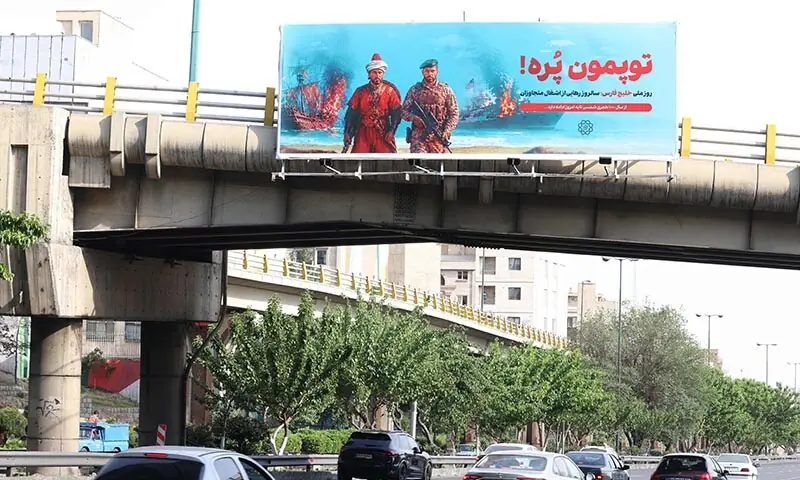
Iran’s leadership signals that it remains committed to talks with Washington but is seeking concessions rather than surrender, with analysts saying Tehran believes it can “outlast” US President Donald Trump. The assessment comes as a shaky ceasefire remains in place about two and a half months after the US-Israeli war against Iran begins, though Trump has publicly dismissed Iran’s responses to a US settlement proposal and warns the truce is near its end.
Several analysts cited Iran’s ideological durability and preparation for further pressure. They describe Iran as viewing time and leverage as strategic tools, including its impact on shipping through the Strait of Hormuz, which has restricted traffic for the first time in years after long-standing threats. Other reporting highlights uncertainty over day-to-day decision-making after the assassination of Supreme Leader Ayatollah Ali Khamenei, with references to his successor, Ayatollah Mojtaba Khamenei, and the Revolutionary Guards, alongside Iran’s negotiation frontman Mohammad Bagher Ghalibaf.
Analysts also warn Iran’s strategy is a gamble, arguing the approach could raise the risk of renewed military confrontation. They note Trump faces domestic political pressure, including unpopularity of the conflict and fuel-price concerns ahead of midterm elections, while Iran faces economic strain and domestic discontent.