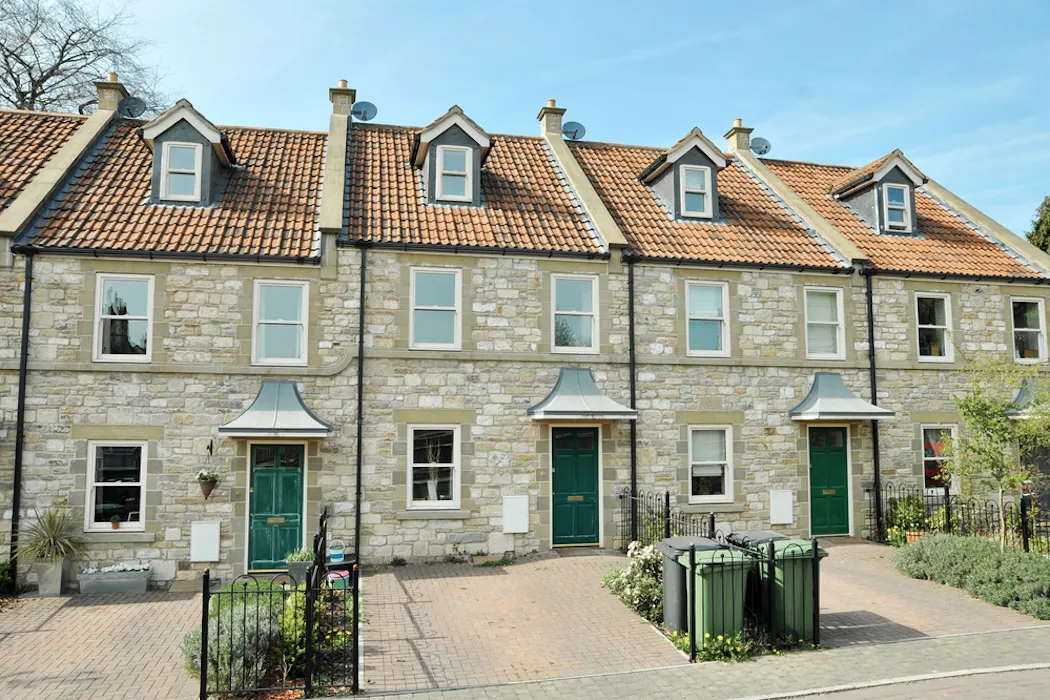
Multiple reports focus on a growing practice in the UK: homeowners converting front gardens into driveways by paving over vegetation. The articles describe how removing plants and soil can reduce natural cooling effects such as evapotranspiration and shade. When surfaces are replaced with hard, impermeable materials, they tend to absorb and store more heat during the day and then release it later, which can raise temperatures during nighttime.
The coverage links this building-and-paving trend to wider weather patterns. Sources note that warm, humid nights are becoming more common, meaning that additional local heat retention from paved surfaces can compound the effects. The resulting higher night-time temperatures can make outdoor conditions feel more uncomfortable and may increase heat exposure risk, particularly for vulnerable groups.
Overall, the articles argue that while climate and weather trends set the broader background, changes to everyday land cover—such as the loss of front gardens—can influence how heat accumulates and dissipates in local neighborhoods.