
Producers are developing or considering additional pipeline routes intended to reduce reliance on the Strait of Hormuz for exporting Middle East crude. Multiple analyses note that while these projects can lessen the volume of oil passing through the chokepoint, they do not eliminate the broader threat environment affecting regional crude exports. The core concern is that alternative export infrastructure—including new or expanded pipelines—can still be exposed to disruption due to regional instability and related security risks. As a result, even if pipeline capacity grows, the ability of producers to move oil reliably may remain constrained by factors beyond Hormuz itself, such as the security of surrounding transport links and the overall operating conditions in the region. The reporting frames the pipeline efforts as a partial mitigation rather than a complete solution. Overall, analysts conclude that pipeline diversification can change logistics for certain flows, but it does not remove the underlying vulnerabilities that could affect Middle East crude shipments.
New oil pipelines bypassing Strait of Hormuz still face risks, analysts say
Producers are developing or considering additional pipeline routes intended to reduce reliance on the Strait of Hormuz for exporting Middle East crude. Multiple analyses note that while these projects...

- Producers are building or considering new oil pipelines to bypass the Strait of Hormuz.
- Analysts say these pipeline projects do not fully remove the threat to Middle East crude exports.
- Alternative pipeline infrastructure remains vulnerable to regional disruption.
- The change is described as reducing reliance on Hormuz rather than eliminating export risk.
Oil producers are building or contemplating new pipeline projects to bypass the Strait of Hormuz, but this infrastructure is still vulnerable, analysts said.
7 hours ago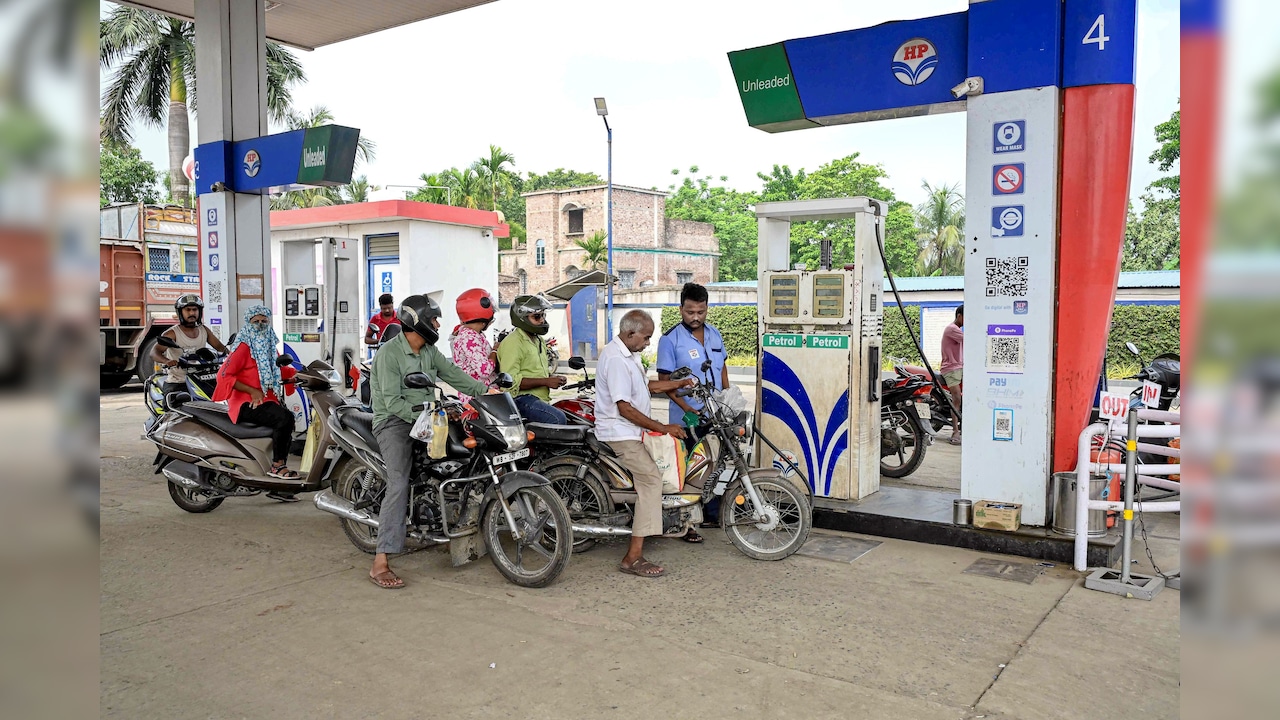
Petrol and diesel prices steady in June amid earlier hikes linked to global crude
Petrol and diesel prices in India remain unchanged on 1 June, with the most recent increases reported as having occurred...
Oil prices swing on US-Iran talks, attacks, and Strait of Hormuz supply concerns
Oil prices move in a tight range as traders weigh developments from US-Iran indirect talks against renewed military tens...

SMBC hires Kunal Maini to expand global macro rates sales and trading
Sumitomo Mitsui Banking Corp. (SMBC) hires Kunal Maini to strengthen its global sales and trading business, according to...