


A newborn humpback calf that strand on a beach in Sydney overnight dies despite rescue efforts, and its carcass is now set to be tested for H5N1 bird flu. Multiple reports say the calf was found stranded and that responders attempted to assist it, but it died on Friday morning. Authorities plan to collect tissue samples from the carcass for laboratory testing to determine whether the whale is linked to the H5N1 virus. One outlet also notes the broader context of growing H5N1 cases, referencing a rise in the number of reported cases to 17, while other reports focus on the individual stranding and the decision to test the animal. The reports are consistent that the animal is a newborn humpback whale, the stranding occurred overnight on a Sydney beach, and the death occurred before or on Friday morning. The testing is intended to inform public health and wildlife monitoring efforts regarding possible transmission of the virus to marine mammals.
Newborn humpback whale dies after beach stranding; carcass to be tested for H5N1
A newborn humpback calf that strand on a beach in Sydney overnight dies despite rescue efforts, and its carcass is now set to be tested for H5N1 bird flu. Multiple reports say the calf was found stran...
6 sources
3 months ago
34 views

Key Points
- A newborn humpback whale calf is found stranded on a beach in Sydney overnight.
- Rescue efforts are made, but the calf dies on Friday morning.
- The carcass will be tested for H5N1 bird flu.
- Multiple outlets report the animal is a humpback calf.
- One report links the decision to test to an overall increase in H5N1 case numbers.
How Outlets Covered This Story
PER
THE
STU
SYD
THE
BRI
Related Stories
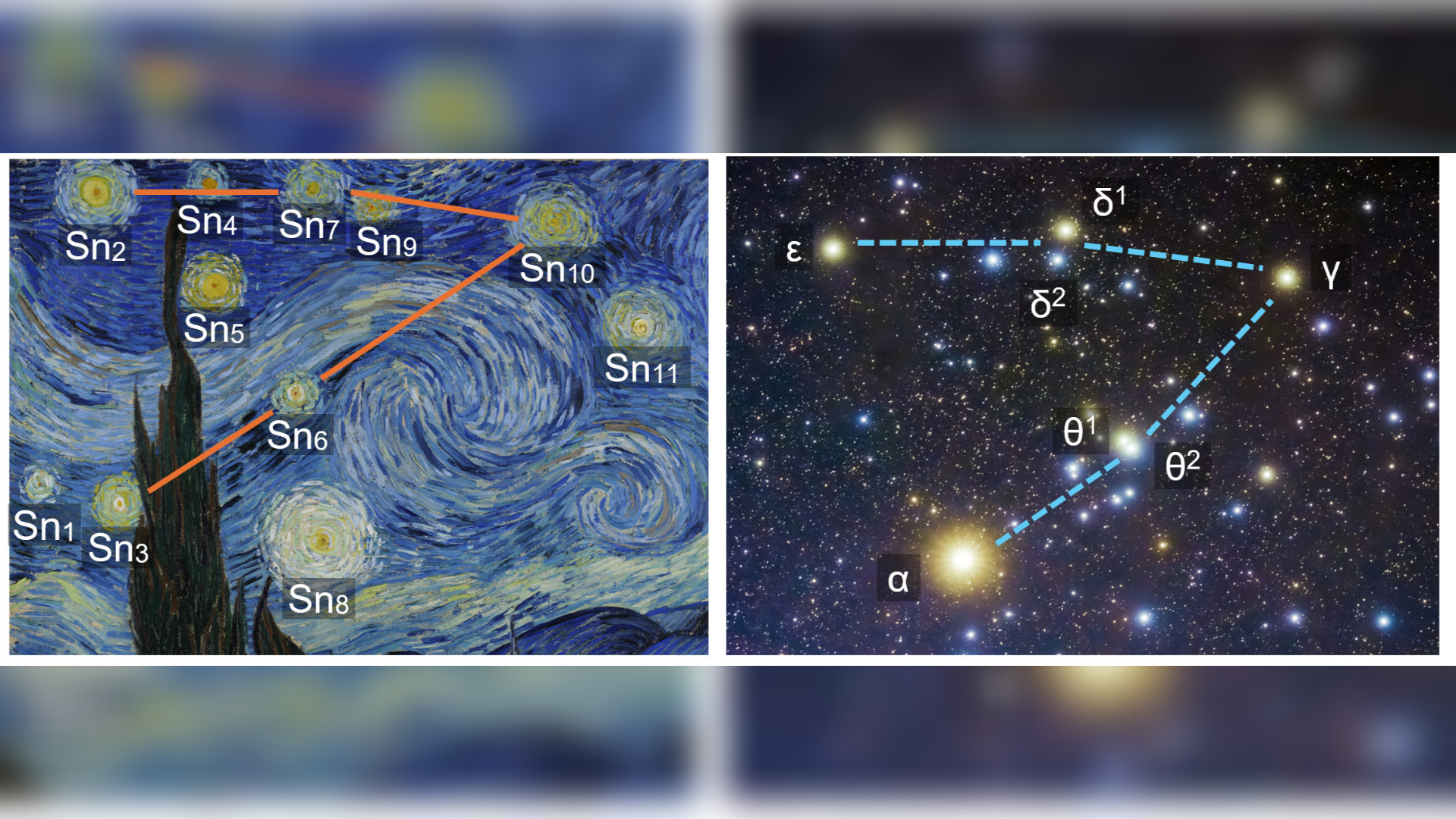
Researchers match van Gogh’s Starry Night to a specific July 1889 night sky
Scientists use astronomical clues to link Vincent van Gogh’s “The Starry Night” to a real night sky, suggesting the pain...
12 sources
8 hours ago
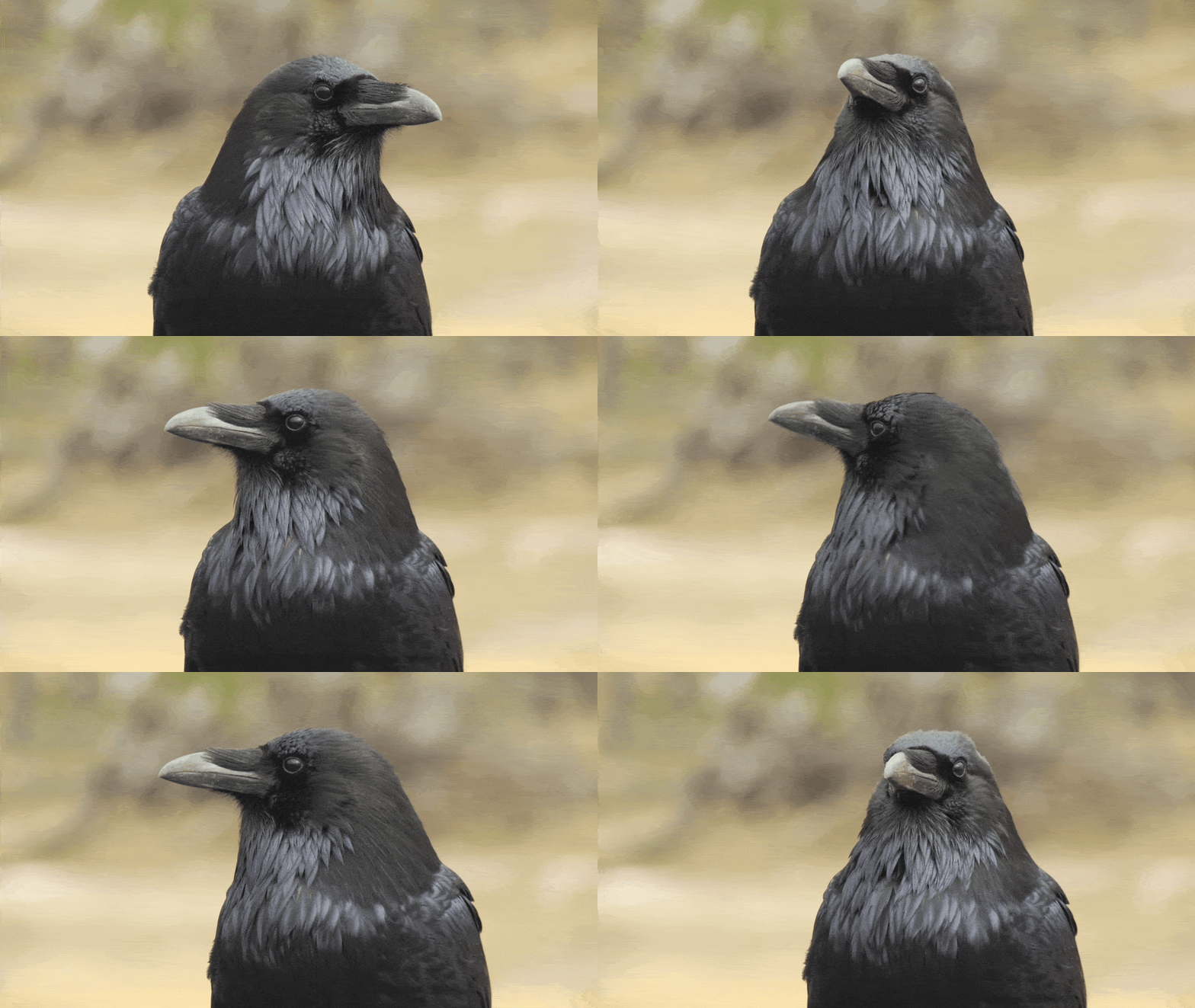
Study finds crows make visual decisions faster than humans and primates
Researchers report that crows can turn visual information into decisions unusually quickly. NPR and Live Science both de...
2 sources
3 hours ago

IUCN warns 96% of shallow coral reefs face critical risk of collapse by 2075
Almost all shallow-water coral reef ecosystems face a critical risk of collapse within the next 50 years, an IUCN global...
10 sources
11 hours ago