
Researchers at MIT examine how saltwater intrusion—driven by sea-level rise—may change microbial ecosystems in rivers, estuaries, and other coastal waters. As ocean salinity increases and sea levels rise, seawater seeps into freshwater systems, raising salt concentrations beyond historical ranges. The study indicates that this added salinity can stress microbial communities. Specifically, the researchers find that overall microbial growth may remain relatively strong even under these saltier conditions, while community diversity declines. In other words, the microbial ecosystem can shift toward a narrower set of salt-tolerant species rather than collapsing entirely. The findings connect climate-driven physical changes, such as saltwater encroachment into inland and nearshore habitats, to biological outcomes at the microbial level. The work therefore highlights that future salinity changes may not only alter how much microbial biomass is produced, but also how varied the microbial community remains across affected freshwater and transitional ecosystems.
Study finds rising salinity shifts microbial ecosystems in rivers and coastal waters
Researchers at MIT examine how saltwater intrusion—driven by sea-level rise—may change microbial ecosystems in rivers, estuaries, and other coastal waters. As ocean salinity increases and sea levels r...
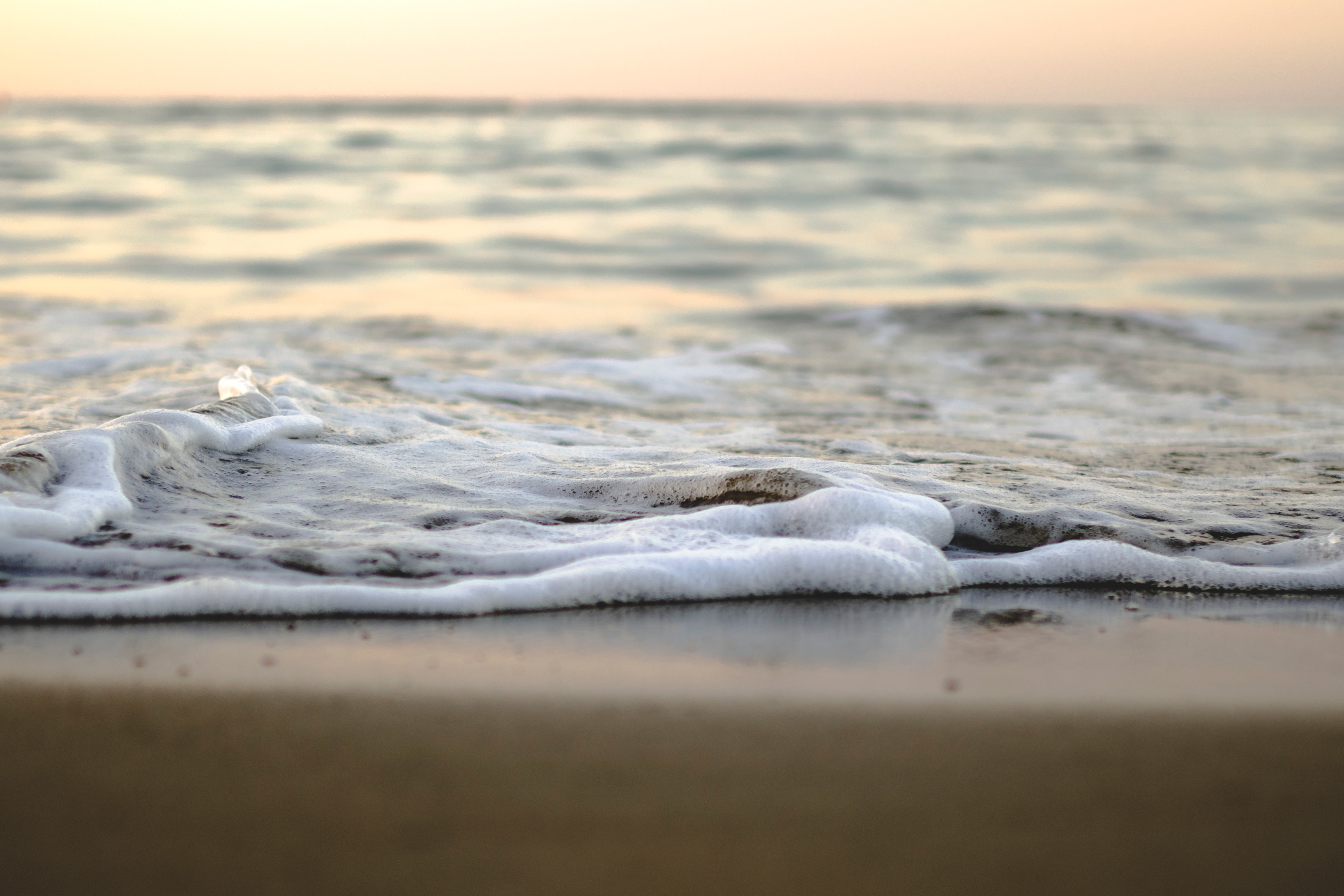
- Sea-level rise increases seawater intrusion into freshwater systems, raising salinity in rivers and estuaries.
- MIT researchers study how increased salinity affects microbial ecosystems in these coastal-influenced environments.
- Higher salinity can stress aquatic microbial populations.
- The study finds overall microbial growth can persist even as microbial diversity declines.
- The results are presented as implications for microbial ecosystems in rivers, estuaries, and coastal waters worldwide.
As sea levels rise due to climate change, encroaching seawater will likely make freshwater environments saltier. In a new study, MIT researchers have shown how that increase in salinity might affect microbial ecosystems found in environments such as rivers and estuaries.
2 hours agoAs sea levels rise and saltwater seeps into freshwater, stressed aquatic populations may retain overall growth even as diversity declines, MIT scientists find.
7 hours ago
7.4-magnitude earthquake off southern Mexico triggers tsunami warning
A magnitude 7.4 earthquake strikes off the southern coast of Mexico near the state of Chiapas on Friday, according to re...

America’s Most Wanted fugitive captured after 20 years on the run off New York
A fugitive from Rhode Island who has been on the run for about 20 years and was featured on “America’s Most Wanted” is c...

Brazil fossil sheds light on early reptile evolution before dinosaurs and crocodiles diverged
Researchers describe a fossil reptile from Brazil’s Rio Grande do Sul state that is estimated to be about 240 million ye...