
Researchers report using artificial intelligence to design CRISPR-like “molecular scissors” that are functional in cells. According to Nature, the work involves creating synthetic nuclease enzymes with characteristics not previously observed in nature. Multiple outlets describe the approach as an expansion of the CRISPR toolbox, emphasizing that the AI-generated enzymes show activity inside cells and can perform gene-editing tasks. The reporting highlights Jennifer Doudna, a Nobel laureate associated with CRISPR technology, as participating in or engaging with the AI protein-design effort covered by the outlets. The studies referenced focus on engineering enzymes through AI-based protein design rather than modifying existing CRISPR systems directly. While the articles describe improved or boosted editing efficiency in the context of the newly designed nucleases, they do not present a single unified performance metric in the provided excerpts. Overall, the coverage converges on the same core finding: AI-designed CRISPR-like nuclease candidates that do not naturally occur are able to cut genetic material in cellular experiments, pointing to a potential route for developing additional or more effective gene-editing tools.
AI designs new CRISPR-like gene-editing enzymes with activity in cells
Researchers report using artificial intelligence to design CRISPR-like “molecular scissors” that are functional in cells. According to Nature, the work involves creating synthetic nuclease enzymes wit...

- Researchers use AI protein-design methods to create synthetic CRISPR-like nuclease enzymes.
- The designed enzymes are not found in nature, according to the reporting.
- The AI-designed nucleases show functional activity in cells.
- The work is presented as an expansion of the CRISPR gene-editing toolbox.
- Nature reports the study as published online on 16 July 2026 (doi:10.1038/d41586-026-02217-w).
CRISPR gets a power boost from AI-designed ‘molecular scissors’ NatureNobel Laureate Jennifer Doudna enters AI protein design arena Fierce BiotechAI-Designed Synthetic CRISPR-Like Nucleases Show Activity in Cells Genetic Engineering and Biotechnology NewsAI‑designed gene‑editing enzymes expand the CRISPR toolbox Phys.orgA Synthetic Nuclease Boosts CRISPR Editing Efficiency the-scientist.com
10 hours agoNature, Published online: 16 July 2026; doi:10.1038/d41586-026-02217-wResearchers used artificial intelligence to design functional CRISPR enzymes not seen in nature.
1 day ago
7.3–7.4 earthquake off southern Mexico triggers tsunami warning, evacuations in Guatemala
Multiple outlets report a strong earthquake off the southern coast of Mexico, near the Mexico–Guatemala region. Reported...

Benji Marshall responds to Jarome Luai departure amid Tigers contract release
Multiple outlets report that Wests Tigers head coach Benji Marshall addresses questions and criticism connected to co-ca...
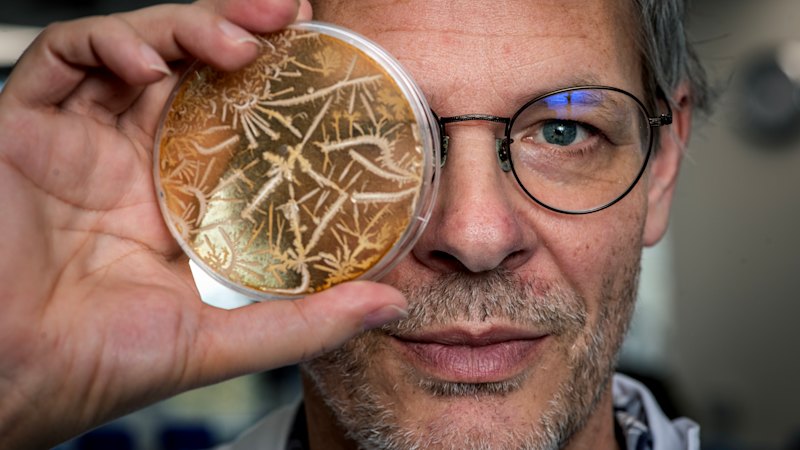
Researchers describe advances in reading, editing and directing DNA
Multiple outlets describe a scientific shift from understanding DNA to controlling it. The articles say that for billion...