
Earth’s largest particle accelerator starts new observations aimed at studying the universe’s earliest period, shortly after the Big Bang, according to coverage from multiple outlets. Space-focused reporting describes the work as a milestone in a long-running effort to access information from the early cosmos, with researchers characterizing the results as a “culmination of a decades-long quest.” The new measurements are presented as opening a broader view into how the early universe evolved, offering the potential to refine scientific understanding of its development. The reporting also emphasizes the expectation that the new data will provide “new insights” into early-universe processes, though it does not present specific new findings in the excerpts provided. Overall, the articles align on the significance of the accelerator’s new observational phase and the scientific goal of probing conditions close to the Big Bang, framing the start of the work as an important step toward understanding the early universe’s evolution.
Earth’s largest particle accelerator begins observations probing the early universe after the Big Bang
Earth’s largest particle accelerator starts new observations aimed at studying the universe’s earliest period, shortly after the Big Bang, according to coverage from multiple outlets. Space-focused re...

- Earth’s largest particle accelerator begins a new observational phase targeting the early universe shortly after the Big Bang.
- Researchers describe the effort as the result of decades of work.
- The observations are expected to provide new insights into the evolution of the early universe.
- Coverage characterizes the launch of the program as a major scientific milestone.
Earth's largest particle accelerator opens new window into the early universe just after the Big Bang: 'A culmination of a decades-long quest' Space
14 hours agoAccording to one researcher, this observation "promises new insights into the evolution of the early universe."
14 hours ago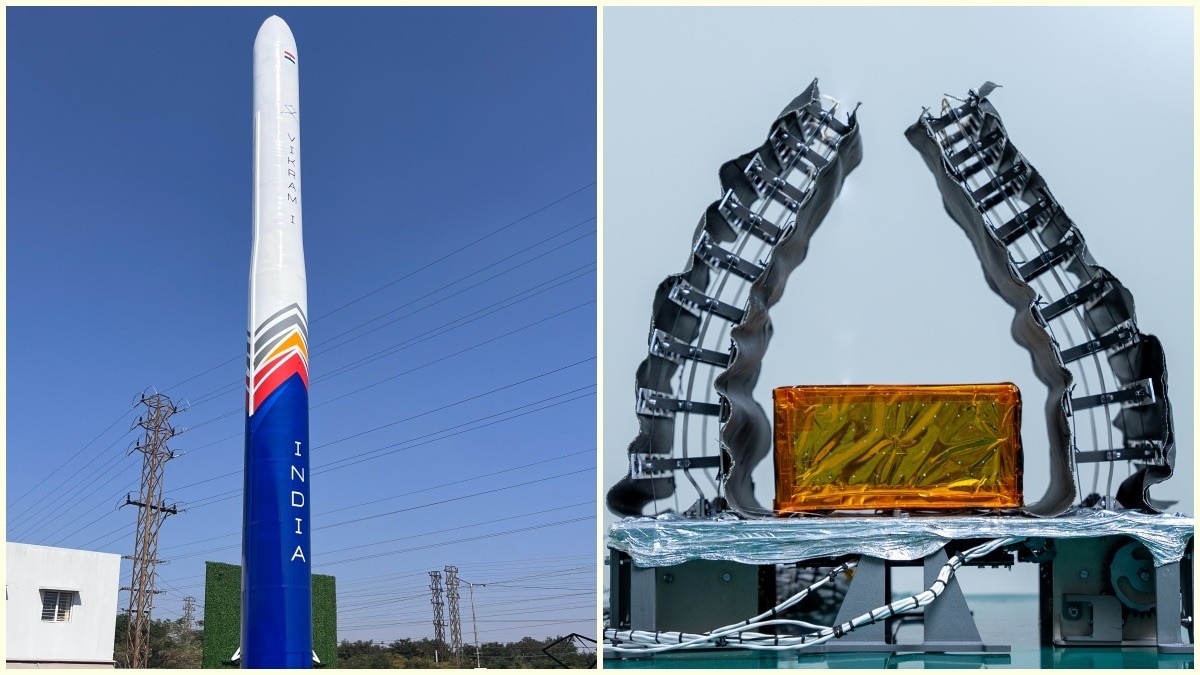
Skyroot’s Vikram-1 becomes India’s first privately developed orbital rocket
Skyroot Aerospace launches Vikram-1, described by multiple outlets as India’s first privately developed orbital-class ro...

5.0-magnitude earthquake reported in eastern Turkey; assessments under way
A magnitude-5.0 earthquake strikes eastern Turkey, according to multiple reports. The Turkish Disaster and Emergency Man...

7.3 magnitude earthquake hits Mexico; no immediate damage reported
A powerful 7.3 magnitude earthquake strikes Mexico, with authorities reporting no immediate damage and no fatalities. Ac...