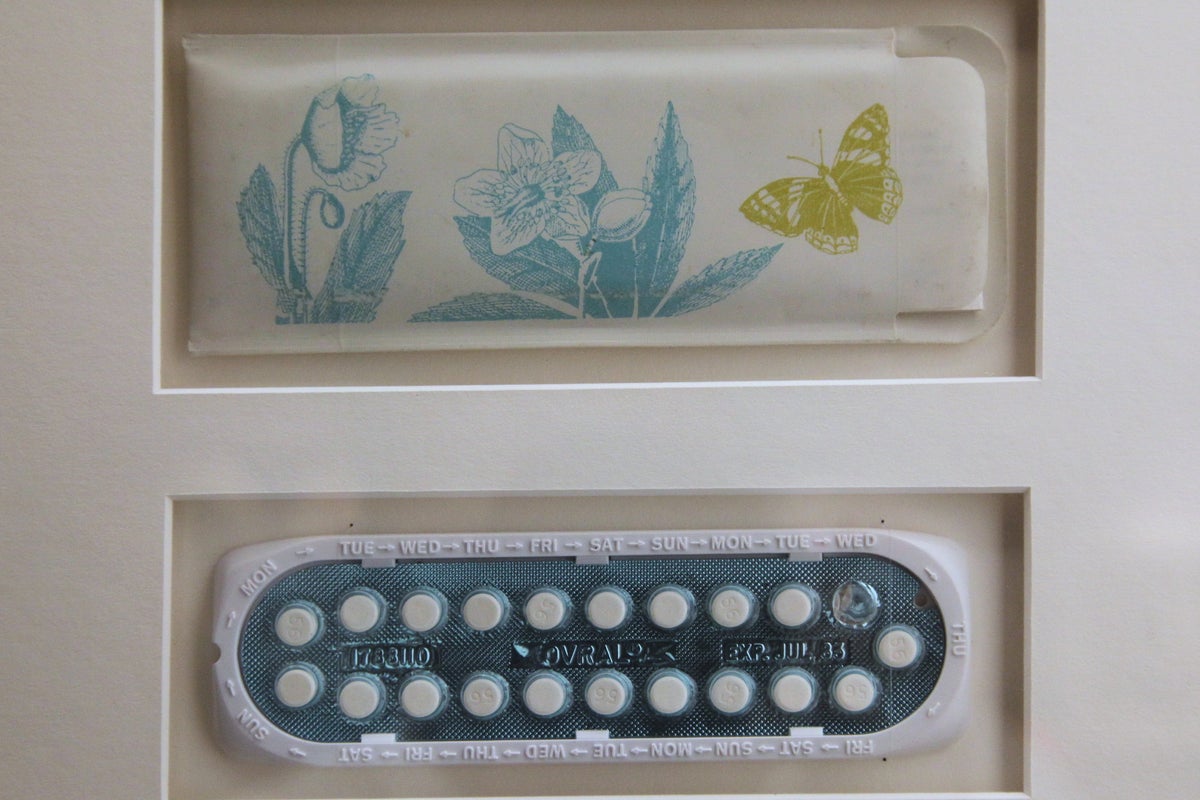
Several outlets reflect on how the contraceptive pill has affected women’s lives since its introduction and, by extension, wider social and demographic change. The coverage centers on the pill’s role in expanding reproductive autonomy, enabling many women to plan or delay pregnancies more effectively than before. That shift is presented as influencing decisions about education, work, and family formation, as well as contributing to changing patterns in household life and gender roles.
The articles also frame the pill as part of broader trends that shaped modern society, arguing that reproductive healthcare access can have downstream effects beyond individual choices. While the discussion focuses primarily on social outcomes, it also implicitly contrasts the period before widespread availability with the subsequent ability for women to manage timing and spacing of births. Overall, the sources treat the pill as a major public-health and social milestone, emphasizing its long-term influence on the lives of women and on national development.
No specific new figures, policy changes, or controversies are described in the provided excerpts.