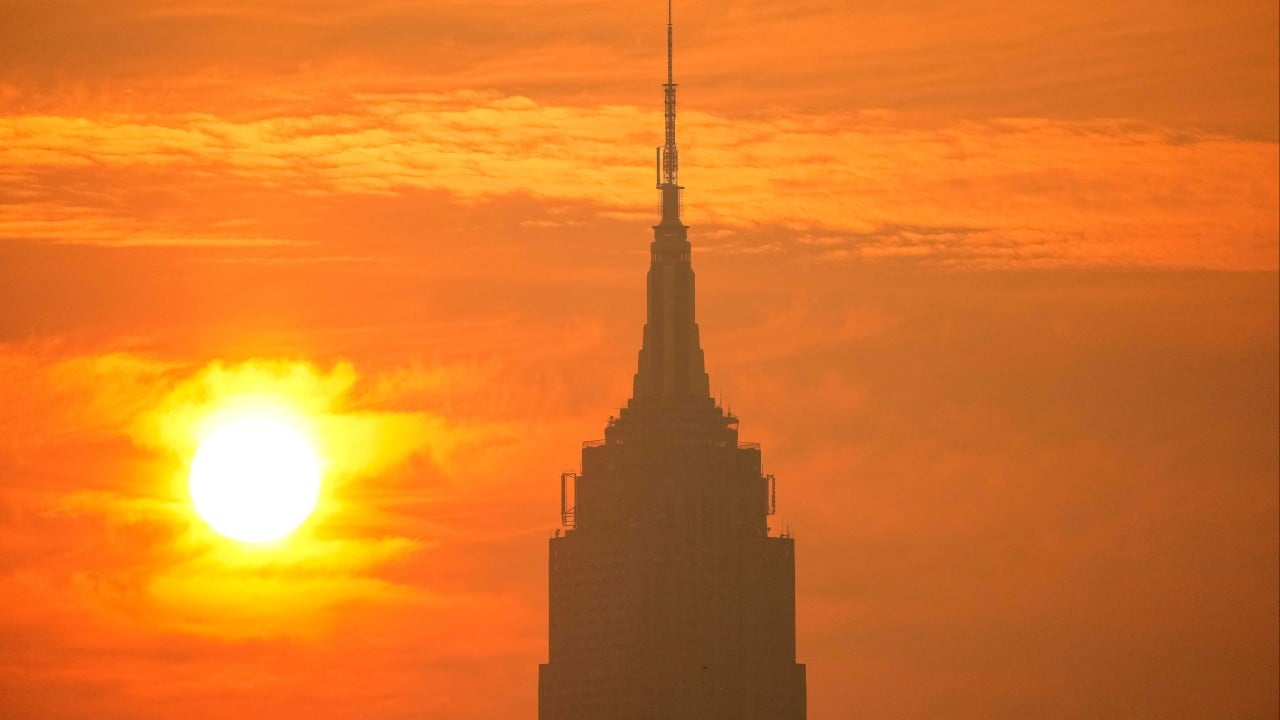
Multiple reports describe a period of extreme summer weather affecting large parts of the United States. On Friday, wildfire smoke blankets the eastern U.S., stretching from the Great Lakes to Washington, D.C., reducing air quality across the region. At the same time, flooding continues in Texas’s Hill Country, where floodwaters are reported to be tearing through areas for a third day. The flooding follows earlier heavy rainfall and ongoing water-related impacts in the region.
In the Pacific Northwest, new fires erupt overnight, adding to an already active wildfire season. One report says there are 68 large blazes burning across 15 states. Together, the accounts point to simultaneous hazards—air pollution from smoke, flood risks from rising or moving water, and fire threats from new and ongoing wildfires—across different regions. Authorities and residents in affected areas face overlapping emergency conditions, with conditions changing as new fires ignite and water levels and smoke patterns evolve.