
The U.S. Interior Department has canceled a rule that provided automatic protections for species identified as threatened with extinction, according to multiple reports. The rule was designed to extend safeguards for imperiled plants and animals once they are determined to be at risk, reducing the need for separate, case-by-case action. Critics say the change could leave species with fewer regulatory protections and increase the risk of population declines and extinctions. They argue that removing the automatic mechanism weakens the federal government’s ability to respond quickly when scientific assessments identify species as threatened. Supporters of the decision, where cited, generally frame the move as part of regulatory change, though the available accounts focus primarily on the concerns about reduced protections. The reports describe the action as a reversal of a protective framework used to trigger protections for at-risk wildlife and highlight ongoing debate over how to best manage conservation efforts under U.S. environmental policy.
U.S. Interior cancels automatic protections for imperiled species, critics warn of extinctions
The U.S. Interior Department has canceled a rule that provided automatic protections for species identified as threatened with extinction, according to multiple reports. The rule was designed to exten...

- The U.S. Interior Department cancels a rule providing automatic protections for species assessed as threatened.
- The canceled rule is intended to cover imperiled plants and animals.
- Critics warn the change could increase the risk of extinctions.
- The reports describe the decision as a reduction in automatic, triggered safeguards for at-risk species.
- The action reflects an ongoing debate over the effectiveness of U.S. endangered-species protections.
The U.S. Interior Department has canceled a rule meant to protect plants and animals that are determined to be threatened with extinction
3 hours ago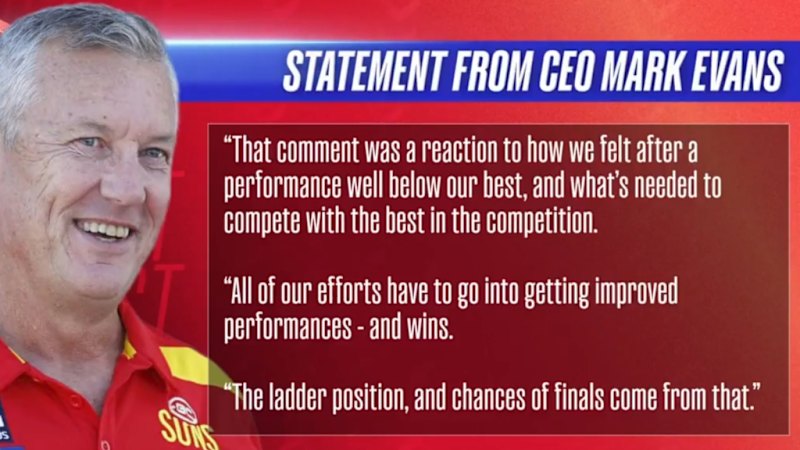
Suns CEO Mark Evans contradicts coach Damien Hardwick on Gold Coast finals hopes
Gold Coast Suns CEO Mark Evans issues a public statement that conflicts with recent comments made by coach Damien Hardwi...

BCCI secretary dismisses speculation that Rohit Sharma’s ODI career ends at Lord’s
BCCI secretary Devajit Saikia rejects reports and retirement speculation suggesting Rohit Sharma’s ODI career could end...
Albanese government issues response to special envoy Aftab Malik’s Islamophobia report
The Albanese government releases its long-awaited response to a report on Islamophobia submitted by special envoy Aftab...