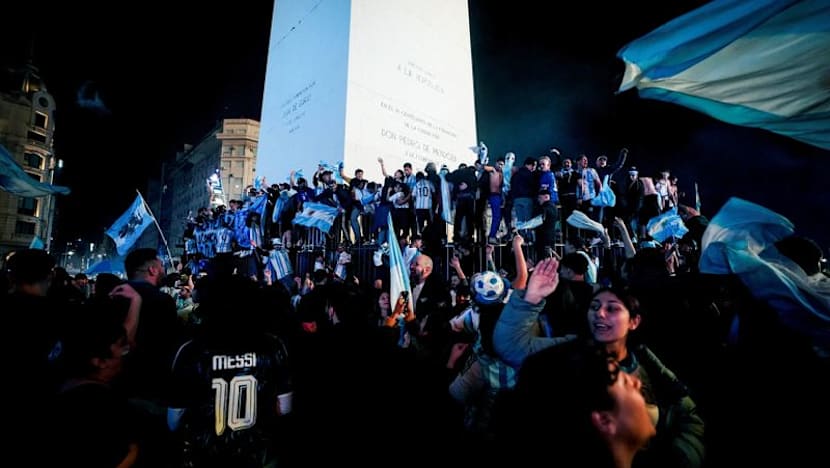
Multiple outlets describe Argentina’s long-running, love-hate reputation in World Cup football, linking it to both sporting success and the intense emotions it provokes among supporters and rivals. One common theme is that Argentina’s status as perennial contenders—associated with legendary figures such as Diego Maradona and later Lionel Messi—has helped build devotion among fans while also generating irritation, envy and resentment from other teams and their followers.
The articles also point to a broader pattern of controversy and high-profile moments over time, suggesting that Argentina’s playing style, swagger and visibility on the global stage contribute to how they are perceived. This perception is framed as a mix of admiration and hostility, with supporters viewing Argentina with strong pride and rivals responding with skepticism or antagonism.
Overall, the sources present the “favourite villains” label not as a single event, but as an accumulated public narrative shaped by achievements, star players, and contentious episodes that amplify attention during World Cup tournaments.