


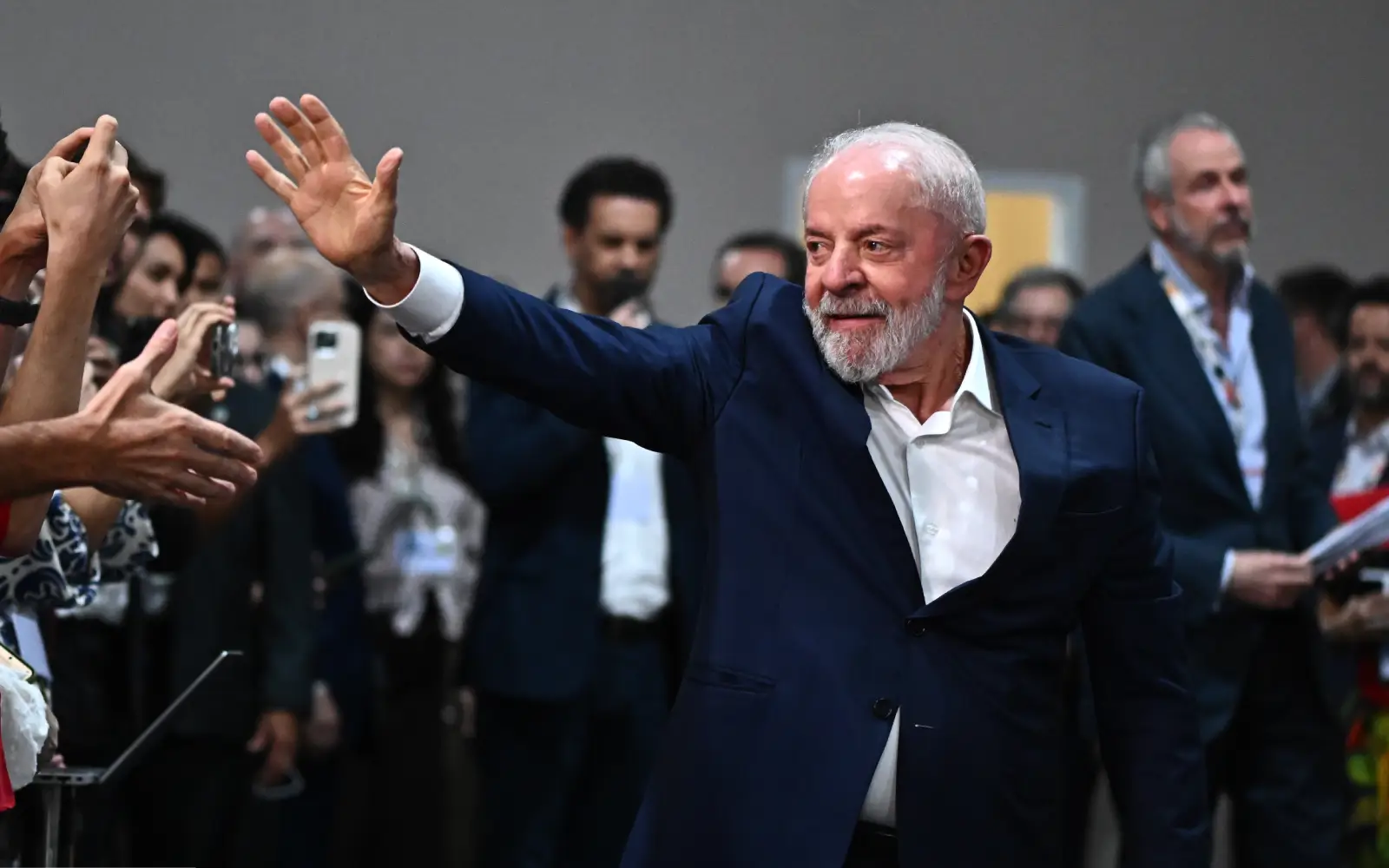
Brazilian President Luiz Inácio Lula da Silva launches a new plan to combat organized crime as the country faces mounting security pressure ahead of the October presidential election. The initiative comes about five months before the vote and is tied to public concerns that security is a top priority for voters, ahead of issues such as the economy or corruption. Lula says the program is meant to end criminal control over territory held by major factions, including Comando Vermelho and the Primeiro Comando da Capital (PCC), which operate across multiple regions and are involved in drug and arms trafficking, extortion, and related crimes.
The plan also reflects cooperation with the United States. Sources report that organized crime and security were discussed during Lula’s meeting with U.S. President Donald Trump last week, amid longstanding tensions over Brazil’s efforts to address criminal groups and the U.S. interest in designating major cartels under counterterrorism frameworks. Lula says Brazil is sharing intelligence and is prepared to work with Washington.
Domestically, the government emphasizes disrupting the financial operations of criminal factions, combating money laundering and targeting illicit supply markets. Reported funding includes about $200 million for 2026 direct support and roughly $2 billion for specialized equipment, alongside prison measures aimed at limiting leaders’ ability to operate from behind bars.


