
Multiple reports describe a change in Washington culture and social dynamics for self-identified MAGA supporters. The New York Times characterizes the shift as part of a broader “vibe” change, suggesting that what used to be a source of belonging and status in certain Republican circles now feels less welcoming. Real Clear Politics echoes the framing, describing a similar “vibe shift” and implying that public and private attitudes toward MAGA identity have cooled. The coverage centers less on a single policy dispute and more on interpersonal and informal signals—who is included, how openly supporters express their identities, and how leaders and influencers respond to them. Across outlets, the emphasis is on a perceived atmosphere change rather than on a specific, documented incident. Both sources portray the trend as emerging over time, with MAGA branding becoming less consistently rewarded in Washington relationships, networks, and day-to-day interactions. The reports do not necessarily attribute the shift to one cause, but they collectively suggest that social incentives for adopting or displaying MAGA identity are weakening in the capital.
Some Republicans Say It Is Becoming Less Socially Comfortable to Be ‘MAGA’ in Washington
Multiple reports describe a change in Washington culture and social dynamics for self-identified MAGA supporters. The New York Times characterizes the shift as part of a broader “vibe” change, suggest...
2 sources
1 day ago
3 views

Key Points
- Several outlets describe a noticeable change in Washington’s social atmosphere for self-identified MAGA supporters.
- The change is characterized as a “vibe shift,” focusing on informal acceptance and interpersonal dynamics.
- Coverage emphasizes perceived cooling attitudes rather than a single event or policy trigger.
- Both sources frame the shift as developing over time rather than occurring instantly.
- The reports describe the trend as affecting how comfortable some supporters feel expressing their identity in Washington.
How Outlets Covered This Story
REA
THE
Related Stories

Houthis declare maritime embargo against Saudi Arabia amid renewed attacks
Yemen’s Iran-backed Houthis announce an immediate maritime embargo against Saudi Arabia, citing renewed cross-border con...
35 sources
8 hours ago
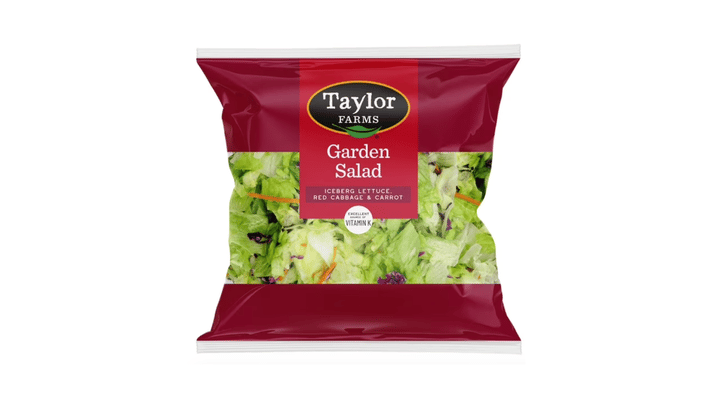
FDA says Taylor Farms lettuce cyclospora result was false positive
The U.S. Food and Drug Administration (FDA) says a lettuce sample from supplier Taylor Farms that it initially reported...
21 sources
18 hours ago

Andy Burnham set to become UK prime minister Monday after Starmer’s departure
Andy Burnham is set to become the United Kingdom’s prime minister on Monday, taking office after Sir Keir Starmer leaves...
71 sources
3 days ago