
Oil markets face a higher risk of a sharp price increase as renewed fighting associated with Iran returns, according to Bloomberg and the Financial Post. Both outlets say the initial phase of the Iran-related conflict has not yet triggered an extreme supply squeeze. However, they highlight that the global market’s spare capacity and other supply “buffers” are currently strained, leaving less room to absorb disruptions without significant price pressure. The articles frame the current situation as a shift from an initial period of relative stability to one in which the likelihood of a spike increases, largely because diminished buffers mean any additional disruption can translate more quickly into higher prices. Overall, the reporting emphasizes the state of inventories and spare supply capacity as key factors influencing how markets respond to renewed conflict. With less cushion available, even incremental disruptions are described as more capable of driving volatility. The two sources broadly align in their assessment that renewed hostilities increase upside price risk, even though the earliest stage of the conflict has not produced the most severe outcomes.
Renewed fighting linked to Iran raises risk of oil price spike
Oil markets face a higher risk of a sharp price increase as renewed fighting associated with Iran returns, according to Bloomberg and the Financial Post. Both outlets say the initial phase of the Iran...

- Renewed fighting tied to Iran increases the risk of an oil price spike.
- The first phase of the Iran-related conflict has not caused an extreme supply squeeze so far.
- Global supply buffers/spare capacity are described as currently thin.
- Weaker buffers mean future disruptions are more likely to translate into higher prices.
- Both reports focus on market vulnerability to renewed conflict-driven supply risk.
Global oil markets have been spared an extreme squeeze during the first phase of the Iran war, but renewed fighting is bringing with it greater risk of a price spike in a world where supply buffers have been worn perilously thin.
15 hours agoGlobal oil markets have been spared an extreme squeeze during the first phase of the Iran war, but renewed fighting is bringing with it greater risk of a price spike in a world where supply buffers have been worn perilously thin.
1 day ago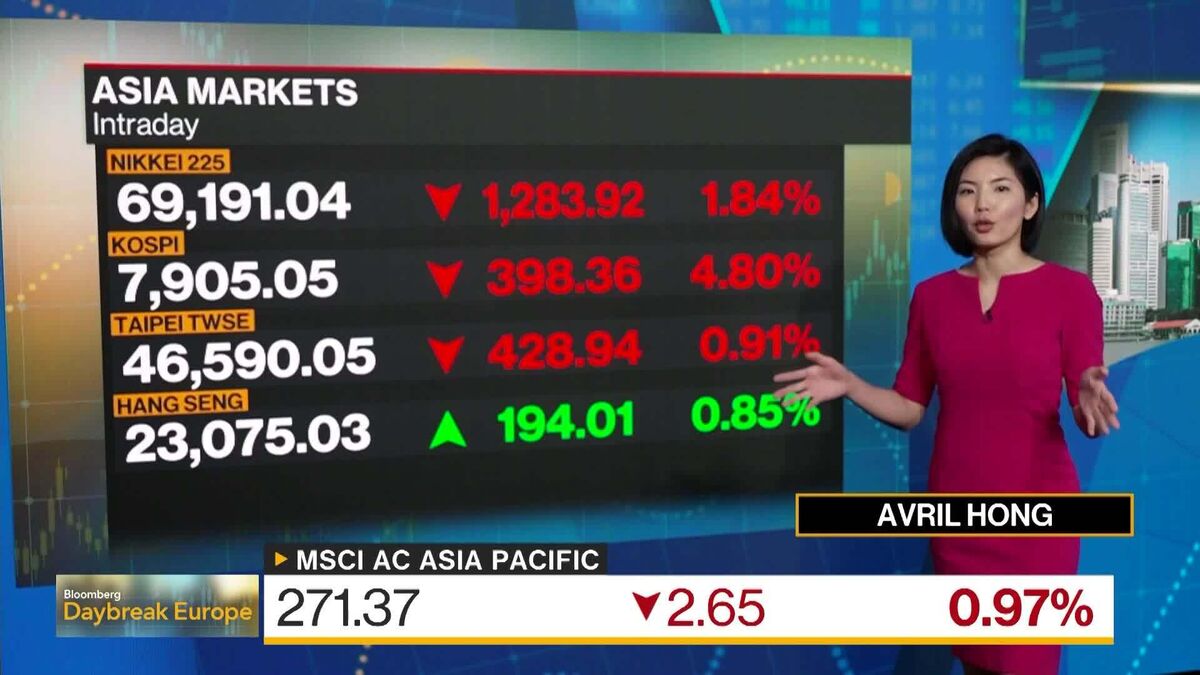
Asian stocks fall as AI-linked chip selloff hits South Korea and Japan
Asian markets trade mostly lower as investors sell AI-related semiconductor shares, pulling down benchmarks in South Kor...

Oil prices jump as U.S. and Iran escalate attacks around the Strait of Hormuz
Oil prices rise as tensions between the United States and Iran intensify, with both sides launching new attacks and trad...
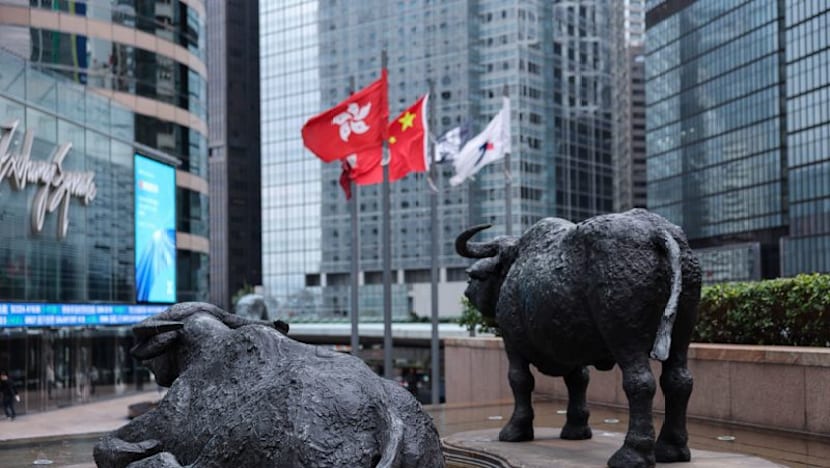
Asian stocks fall as Gulf conflict lifts oil prices ahead of earnings
Asian markets trade lower and mixed as investors react to rising oil prices linked to Gulf conflict developments and bra...