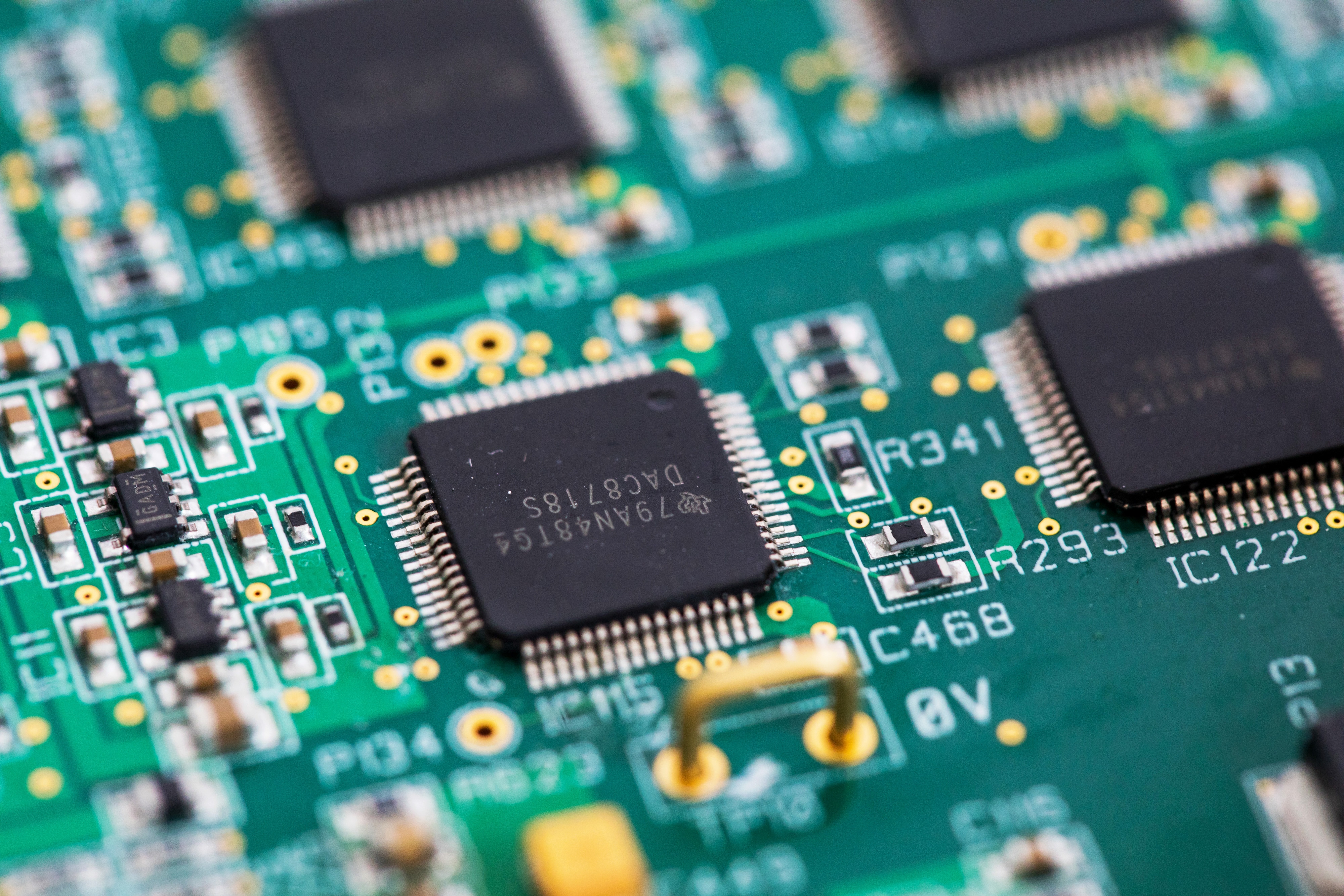
The Indian government is set to co-invest in domestic chip startups as part of its broader semiconductor strategy, according to MeitY (Ministry of Electronics and Information Technology) officials. The move is intended to support Indian early-stage players and reduce the risk that promising firms are acquired by larger global companies.
Officials say the Cabinet has approved ISM 2.0, an expanded phase of India’s semiconductor programme. The approval includes a substantially increased outlay of about Rs 1.27 lakh crore. The plan broadens government participation beyond chip fabrication facilities, shifting attention toward the wider semiconductor ecosystem, including startups and related capability-building.
While the initiative’s co-investment component is framed around protecting domestic innovation, the exact mechanisms—such as the structure of investments, selection criteria, and the extent of government ownership or control—are not detailed in the available reports. Overall, the sources indicate that ISM 2.0 expands the government’s role across the semiconductor value chain, with a particular focus on strengthening startup participation and ecosystem growth.