


Scientists report a new technique that lets researchers interpret signals from black hole collisions as if they were “heard” directly. The approach converts data produced by black hole merger events into an audio-like representation, making patterns in the underlying gravitational-wave signal easier to analyze. Multiple outlets describe the method as using correction steps comparable to those in music production software, which can adjust a vocalist’s pitch when it is off key. The idea is that the transformation process can refine or align the raw signal so that distinctive features associated with the merger become more apparent. The reporting emphasizes that the technique is intended to help scientists study what happens during black hole collisions by providing an alternative way to perceive the information contained in gravitational-wave measurements. While the outlets focus on the analogy to music editing tools, they present the core point consistently: researchers use a new signal-processing workflow to turn merger data into a more interpretable, sound-like form, potentially supporting further research into the physics of black hole events.
Scientists develop technique to “hear” black hole collisions using corrected wave data
Scientists report a new technique that lets researchers interpret signals from black hole collisions as if they were “heard” directly. The approach converts data produced by black hole merger events i...

- Scientists develop a method that converts gravitational-wave data from black hole mergers into an audio-like form.
- The technique is described as involving signal correction or alignment steps.
- Outlets liken the process to pitch-correction software used in music production.
- The method aims to make features of black hole collision signals easier to interpret for research purposes.
- Coverage presents the work as an advance in how merger signals are analyzed, rather than a change in the underlying detection of gravitational waves.
Experts said the process is similar to how music production software can correct a singer’s pitch if it is off key.
3 months agoExperts said the process is similar to how music production software can correct a singer’s pitch if it is off key.
3 months ago
Meta agrees to $17–$18 billion teen-safety settlement, sets default time limits on Instagram and Facebook
Meta has reached a proposed settlement with a coalition of U.S. state attorneys general over allegations that Instagram...
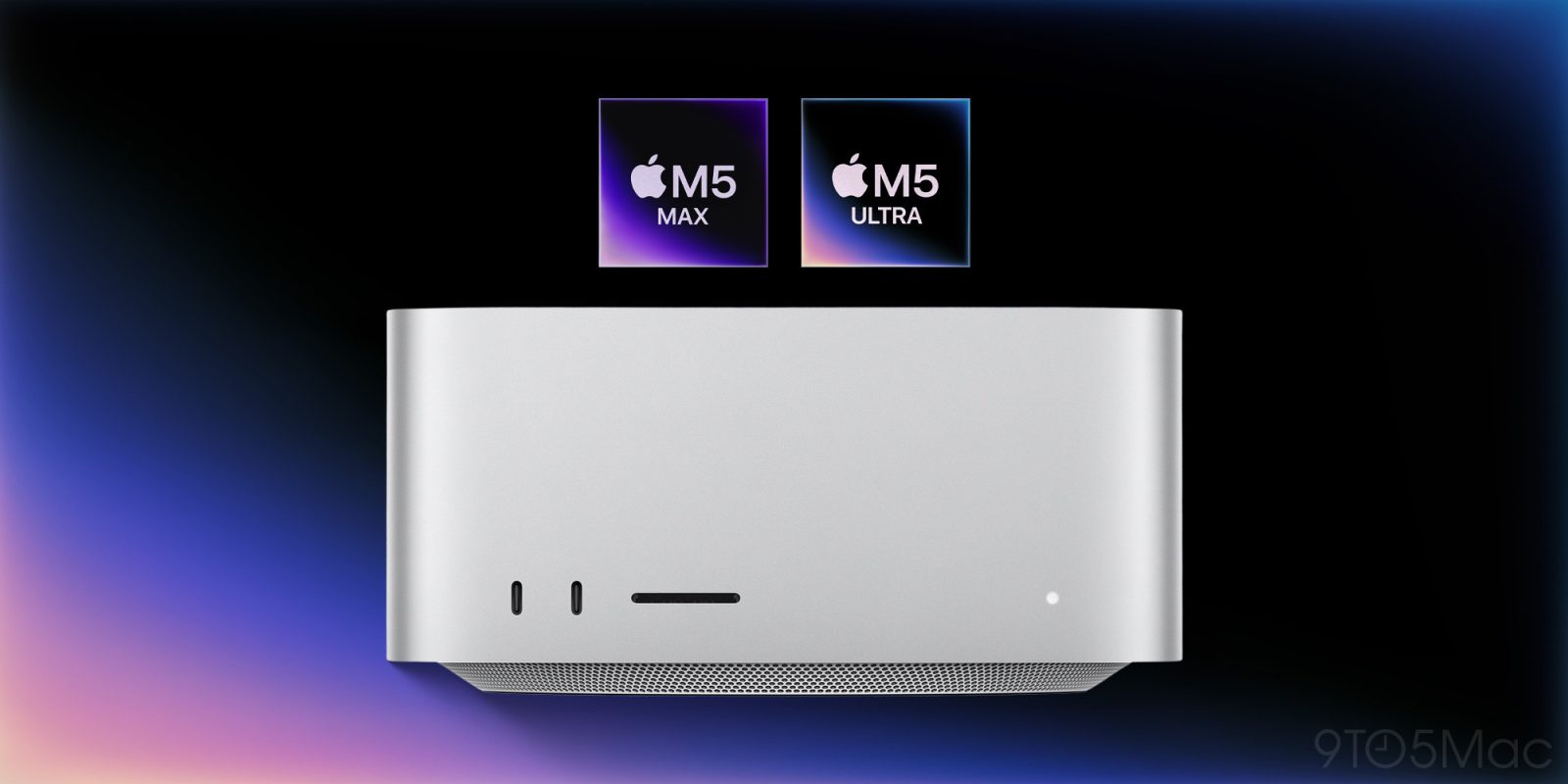
Apple launches new Mac mini and Mac Studio models with M6, M5 Max and M5 Ultra
Apple is taking pre-orders for updated Mac mini and Mac Studio desktops, with both product lines shipping to buyers on S...
Nvidia agrees to acquire Hugging Face in reported $12.9 billion AI deal
Nvidia is reported to have agreed to acquire Hugging Face for about $12.9 billion, according to multiple outlets. The de...