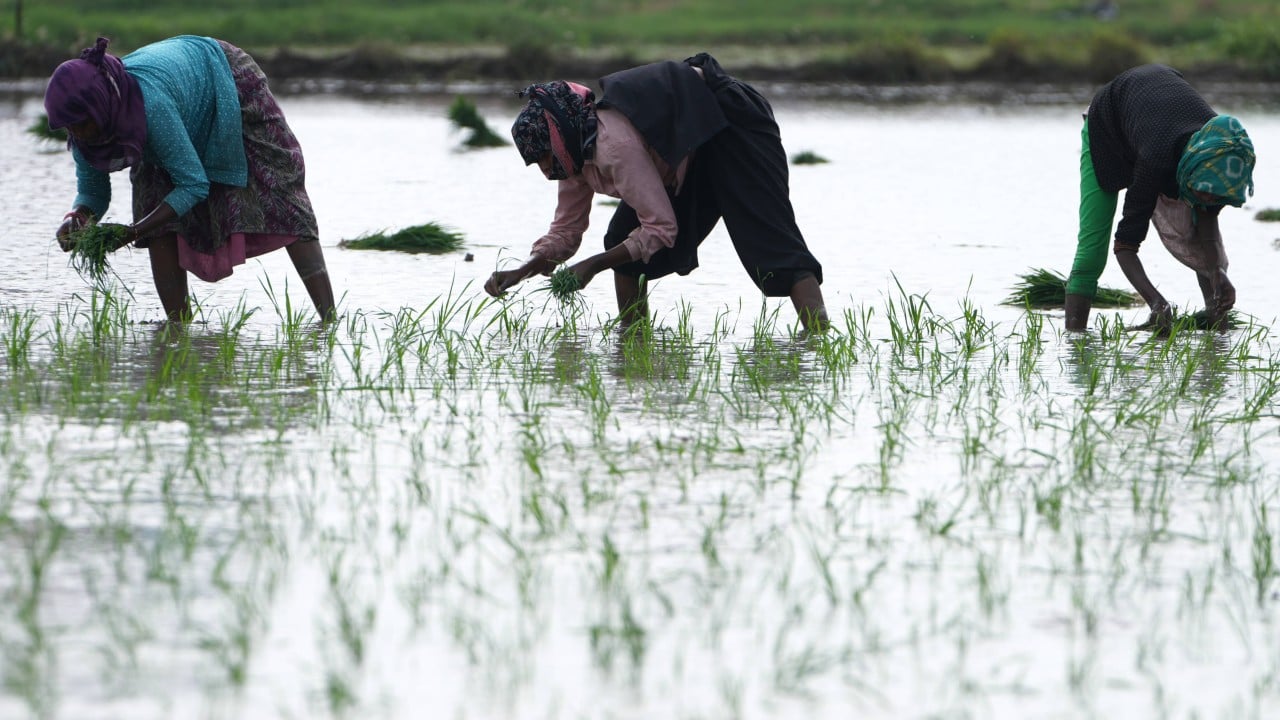
India’s current monsoon is marked by sharp swings between dry spells and intense downpours, raising concerns for agriculture and electricity demand. Sources report that the monsoon started with unusually low rainfall: June is described as India’s fifth-driest on record, with rainfall nearly 40% below normal. This was followed early in the month by a sudden deluge, with about a month’s worth of precipitation falling in a week in cities including Mumbai. After that, rain activity stalls again, with national rainfall running below normal for the time of year—reported as roughly 24% lower as of July 19 in one account.
The erratic pattern is attributed in multiple reports to an intensifying El Niño and the effects of global warming, which together are linked to changes in monsoon rainfall distribution. With around half of India’s farmland dependent on rainfall for irrigation, disruptions to sowing and field moisture are seen as risks to summer crop output and rural incomes. In parallel, hotter-than-usual conditions and humidity spikes following rain breaks are expected to strain power grids through increased cooling demand. Meteorological agencies provide an outlook that total seasonal rainfall may end near 94% of the long-term average, though private forecasters warn deficits could broaden later.