
Spain win the World Cup final against Argentina in a match widely described as one of the more lopsided finals in recent memory. Multiple accounts frame Spain’s performance as a result of their consistent commitment to a possession-based style. Rather than matching the “thrill” associated with the most recent World Cup final four years earlier or the freer, more open scoring seen in the prior day’s match, Spain control the game in a sustained way. In describing the outcome, reports emphasize Spain’s dominance over Argentina, with Spain taking control of key phases of play and limiting Argentina’s ability to impose its own rhythm. The coverage characterizes the victory as a clear vindication of Spain’s approach, suggesting that their structured control translated into decisive results on the biggest stage. While the reports provide limited match detail, they converge on the same core points: Spain’s ball possession and game management underpin the win, and the final is portrayed as a one-sided contest favoring Spain.
Spain beat Argentina to win World Cup final, maintaining possession-led approach
Spain win the World Cup final against Argentina in a match widely described as one of the more lopsided finals in recent memory. Multiple accounts frame Spain’s performance as a result of their consis...
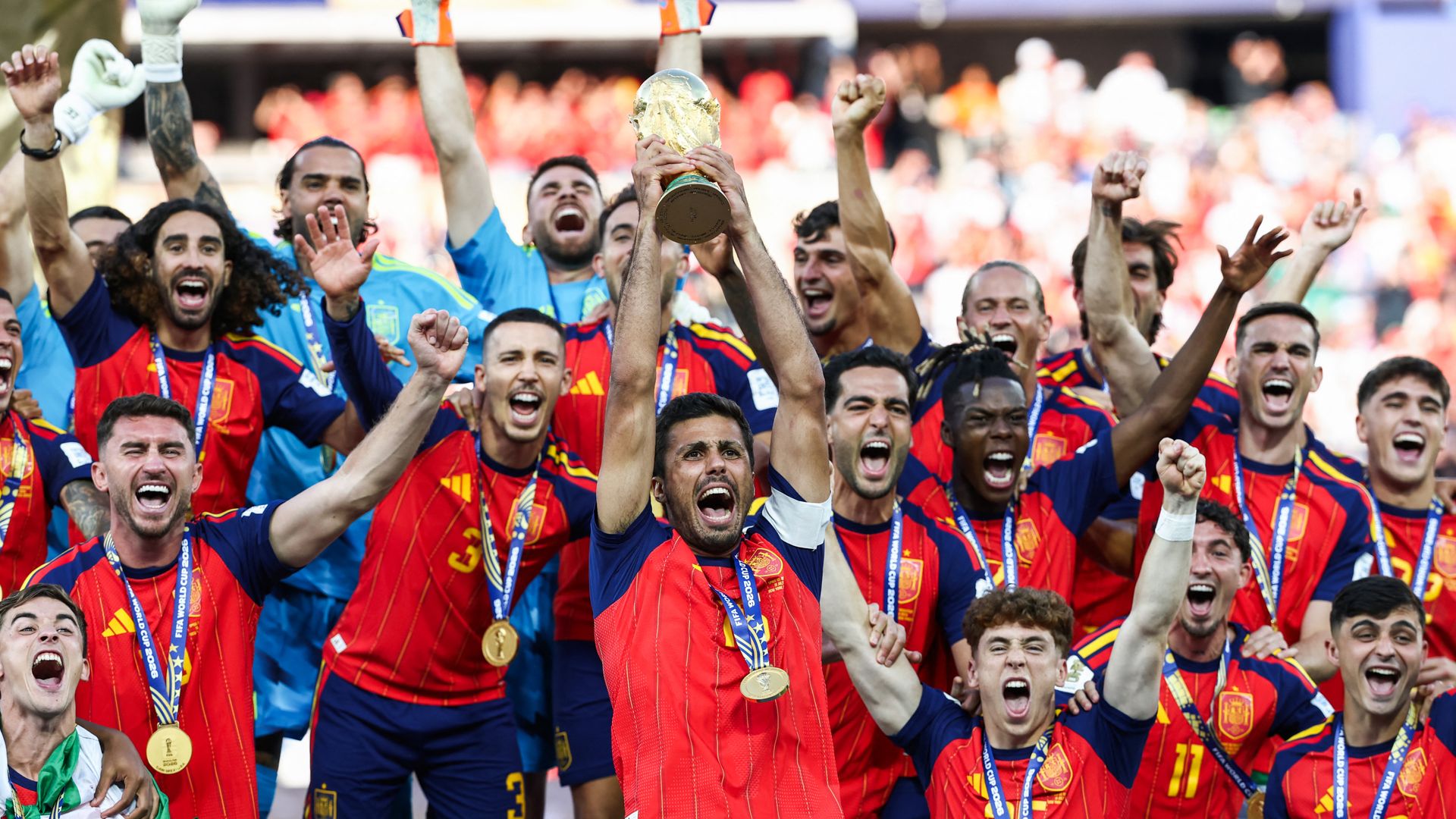
- Spain defeat Argentina in the World Cup final.
- Spain’s win is portrayed as one of the more one-sided finals in recent memory.
- Reports highlight Spain’s dominance and control of the game.
- Coverage attributes Spain’s success to their possession-based approach.
- The match is described as less open than the previous evening’s goal-fest.
It was not the thrilling final of four years ago, or even the carefree goal-fest of the previous evening but Spain still deserve enormous credit for dethroning Argentina in one of the more one-sided World Cup finals in memory. This was utter domination.
1 day agoIt was not the thrilling final of four years ago, or even the carefree goal-fest of the previous evening but Spain still deserve enormous credit for dethroning Argentina in one of the more one-sided World Cup finals in memory. This was utter domination.
1 day ago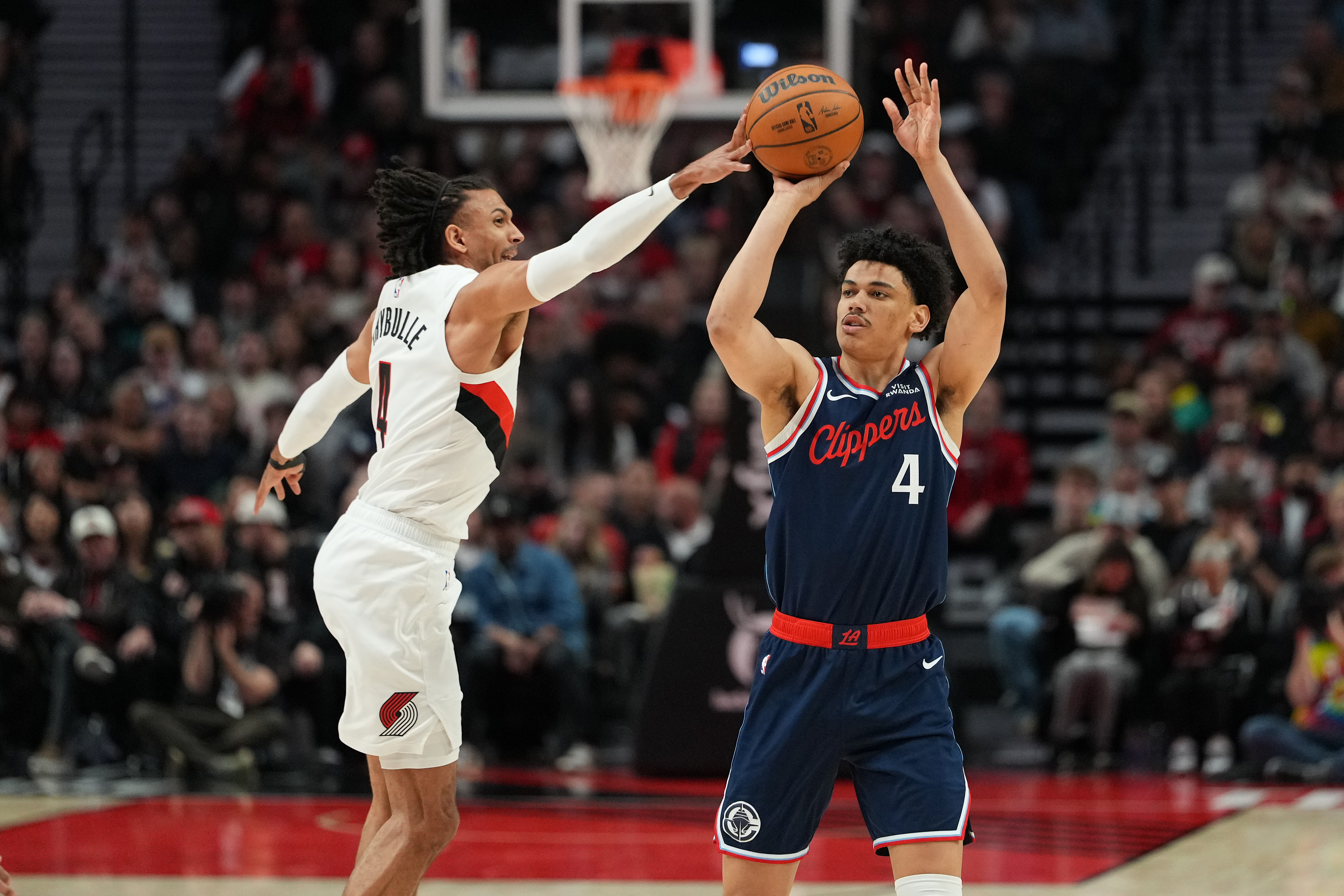
Lakers agree to one-year deal with defensive wing Matisse Thybulle
The Los Angeles Lakers agree to sign free-agent forward/wing Matisse Thybulle to a one-year contract, according to multi...

ESPN ends its relationship with NFL analyst Ryan Clark amid network layoffs
Multiple outlets report that ESPN has cut ties with NFL analyst Ryan Clark as part of a broader wave of layoffs. The Ath...

Several Toyota Land Cruisers and FJ pickups listed on Bring a Trailer
Bring a Trailer listings feature multiple Toyota Land Cruiser models and an FJ-series pickup, each with details on owner...