


As President Trump heads to China, reporting highlights how U.S. policy toward Taiwan has long required careful, sometimes ambiguous, verbal handling while maintaining relations with both Beijing and Taipei. The coverage points to nearly five decades of U.S. statements and actions that have sought to balance commitments on Taiwan with the “one China” framework used in relations with China. Multiple sources frame this as a warning that past missteps or inconsistent messaging can heighten tensions, complicate diplomacy, and affect expectations on all sides. The articles note that U.S. presidents routinely navigate a “verbal tightrope,” using language that is intended to avoid crossing lines that China considers central to sovereignty claims, while also signaling to Taiwan that the United States takes security concerns seriously. Against this backdrop, Trump’s upcoming engagement with China is portrayed as a moment where past experiences may inform how the administration manages public statements and diplomatic signals related to Taiwan. The discussion remains focused on the historical pattern rather than on citing new policy changes in the sources provided.
US-Taiwan policy issues recalled as Trump prepares for China trip
As President Trump heads to China, reporting highlights how U.S. policy toward Taiwan has long required careful, sometimes ambiguous, verbal handling while maintaining relations with both Beijing and...
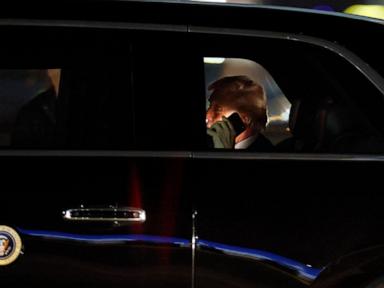
- U.S. policy toward Taiwan and China has required careful, balanced public messaging for decades.
- Sources describe a long-running “verbal tightrope” used by multiple American presidents since roughly the early 1970s.
- The articles connect Taiwan-related U.S. language to risks of increasing tensions with China.
- Trump’s trip to China is presented in the context of past U.S. diplomatic messaging challenges regarding Taiwan.
American presidents have navigated a verbal tightrope for nearly 50 years regarding official U.S. policy toward Taiwan and China
3 months ago
Pentagon policy chief says U.S. seeks more European-led NATO defense
The Pentagon’s policy chief tells NATO ambassadors that the alliance must adapt and that the United States wants a more...

Sports history highlights published for early and mid-September dates
Several Yahoo Sports articles compile “Today in sports history” entries for September 2 through September 15, presenting...

Labor and One Nation contest WA’s Secret Harbour by-election after One Nation rises
A state by-election is held in Perth’s Secret Harbour on Saturday, with Labor defending the seat after several challenge...