


Multiple outlets describe travel eSIMs as a connectivity option for people travelling overseas, positioning them as a simpler substitute for traditional home-carrier roaming. The articles explain that a travel eSIM can be used to access mobile data while abroad without relying on roaming arrangements from a user’s regular mobile network. The content also frames travel eSIMs as addressing common complaints about roaming, including higher costs and perceived hassle, and it notes that reliability can be an issue with roaming depending on coverage and operator policies. One outlet presents the concept through a specific example of a travel eSIM service (Yesim), describing it as a “smart connectivity” option for holidays abroad. Another outlet similarly characterizes travel eSIMs as increasingly common and as “the new standard” for mobile internet internationally, emphasizing convenience and switching away from roaming charges. Both pieces are promotional in tone and focus on the user experience rather than reporting on a specific regulatory or market change. Together, they describe how travel eSIMs work as an alternative way to get mobile data while travelling.
Travel eSIMs promoted as alternative to costly carrier roaming abroad
Multiple outlets describe travel eSIMs as a connectivity option for people travelling overseas, positioning them as a simpler substitute for traditional home-carrier roaming. The articles explain that...

- Travel eSIMs are presented as an alternative to home-carrier roaming for mobile internet abroad.
- The articles describe travel eSIMs as aimed at reducing cost and hassle compared with roaming.
- Reliability during travel is cited as a concern that travel eSIMs are meant to address.
- One outlet specifically mentions Yesim as an example of a travel eSIM provider.
- The coverage is promotional/ad content rather than independent reporting.
Savvy travellers can use Yesim as a smart connectivity option for their holidays abroad
7 hours agoSay goodbye to the high cost, hassle and unreliability of roaming, with a travel eSIM from Yesim
1 day ago
Celtic and Rangers charged by SFA after trouble following Scottish Cup match at Ibrox
Celtic and Rangers are charged by the Scottish Football Association (SFA) following incidents reported after their Scott...

Hungarian prosecutors raid Fidesz data servers in embezzlement probe
Hungarian prosecutors carry out raids on the data servers and offices associated with Viktor Orbán’s former ruling Fides...
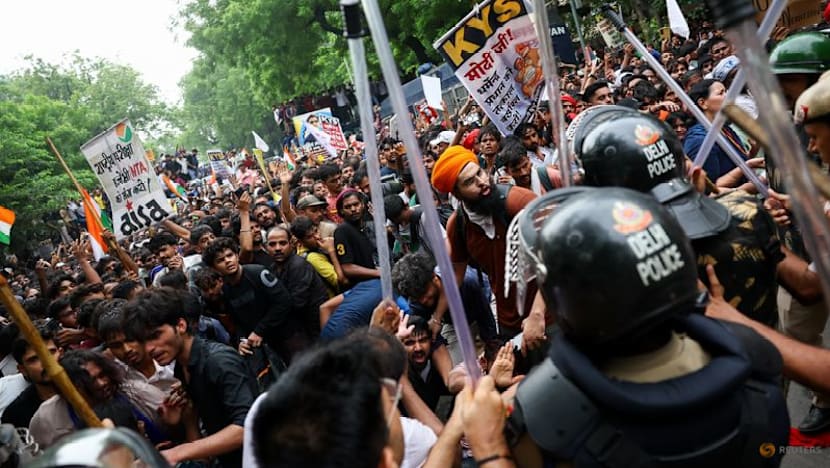
India’s Cockroach Janta Party protesters vow to continue after Delhi police crackdown
India’s youth-led “Cockroach” protest movement is continuing after a police crackdown in New Delhi, with organisers vowi...