
Remains of a dinosaur skull found at a campground in British Columbia are reported to belong to a tyrannosaur that was an early relative of T. rex. Multiple outlets describe a new study by University of Alberta researchers that analyzes a cast of a partial skull impression left roughly 76 million years ago. The researchers characterize the tyrannosaur as lighter and faster than the later, more famous T. rex, based on anatomical features observed in the cast. While the reports use the phrase “great-uncle” to describe the dinosaur’s relationship to T. rex, the study’s central conclusion is that the specimen represents a different, earlier member of the tyrannosaur lineage rather than a direct T. rex individual. The articles agree on the broad circumstances of the find—bones discovered in a B.C. campground—and on the study’s method and timeframe, which focus on reconstructing what the partial skull impression indicates about the animal’s place in evolution. The findings are presented as evidence of diversity in tyrannosaurs before the era associated with T. rex.
Study says B.C. campground dinosaur skull belonged to a ‘great-uncle’ of T. rex
Remains of a dinosaur skull found at a campground in British Columbia are reported to belong to a tyrannosaur that was an early relative of T. rex. Multiple outlets describe a new study by University...
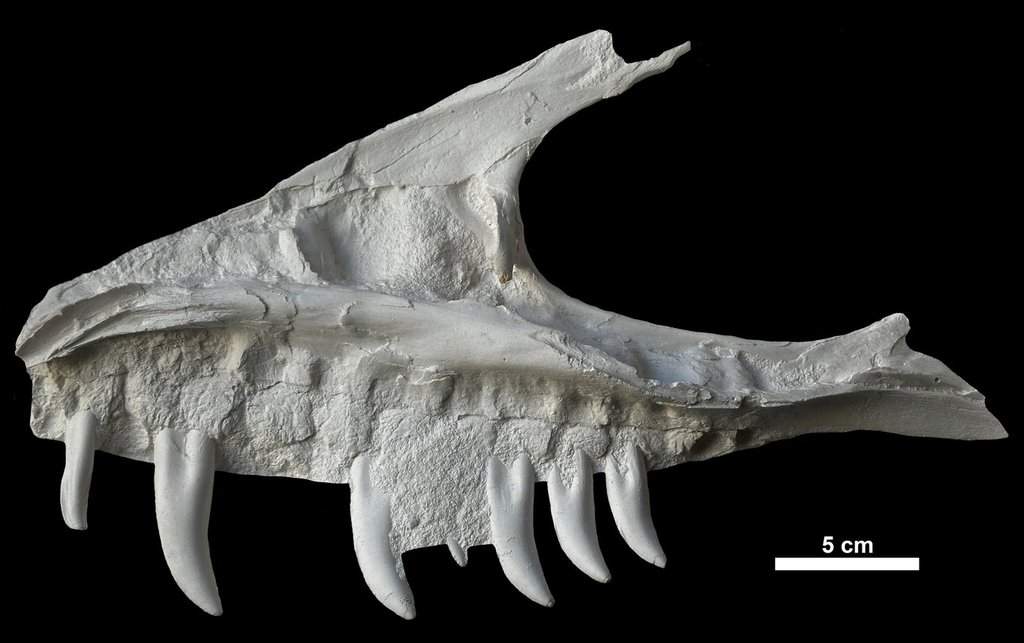
- A partial dinosaur skull impression found in a British Columbia campground is linked to an early tyrannosaur relative of T. rex.
- University of Alberta researchers analyze a cast of the skull impression from about 76 million years ago.
- The study describes the tyrannosaur as lighter and faster than T. rex based on features seen in the cast.
- Outlets report the dinosaur is framed as a “great-uncle” of T. rex, reflecting an earlier point in the tyrannosaur family lineage.
The remains of a dinosaur skull found in British Columbia campground belonged to a tyrannosaur that was lighter and faster than its more famous relative, the T. rex.
15 hours agoThe remains of a dinosaur skull found in British Columbia campground belonged to a tyrannosaur that was lighter and faster than its more famous relative, the T. rex, say the authors of a new study.
16 hours agoThe remains of a dinosaur skull found in British Columbia campground belonged to a tyrannosaur that was lighter and faster than its more famous relative, the T. rex, say the authors of a new study. University of Alberta researchers studied the cast of a partial skull impression that was left about 76 million years ago […]
19 hours ago
Houthis declare maritime blockade of Saudi Arabia, raising regional and shipping concerns
Yemen’s Iran-aligned Houthis announce they are imposing a naval or maritime blockade on Saudi Arabia, a step they presen...
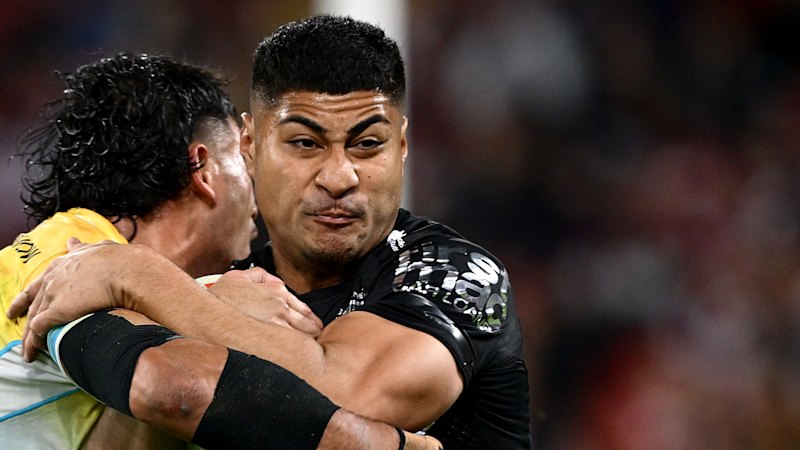
NRL winger Josiah Karapani apologises after drink-driving fine
NRL player Josiah Karapani, a Brisbane winger, appears in court over a drink-driving matter and subsequently apologises...
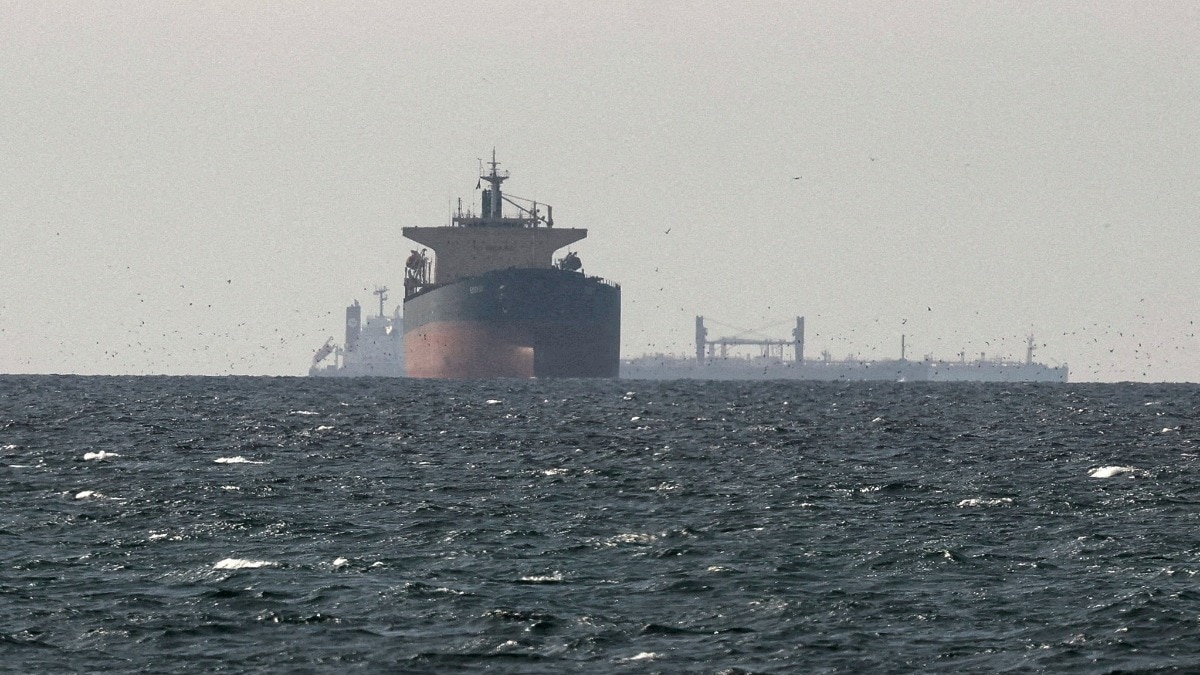
U.S. launches strikes on Iran after ship attacks in Strait of Hormuz
Multiple outlets report that the United States launches strikes against Iran following attacks on commercial vessels in...