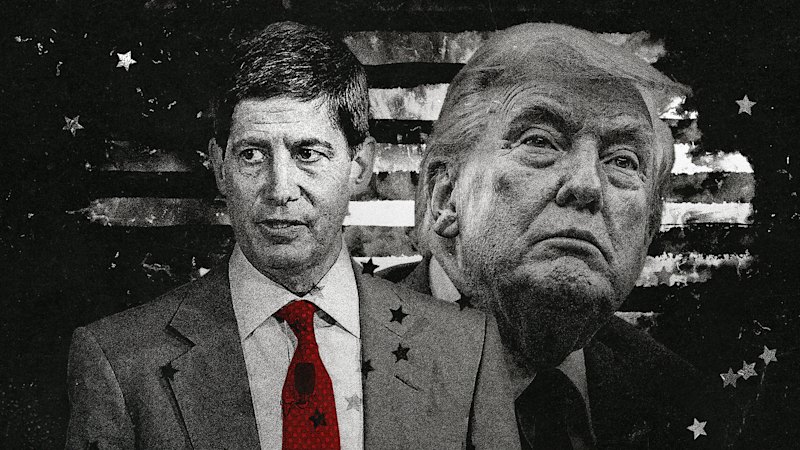
The new chair of the US Federal Reserve is set to begin the role this week, but reporting across multiple outlets says the appointee will not be able to directly carry out what President Donald Trump expects. The articles frame the transition as a practical constraint: while the president can influence appointments and broader policy through political channels, the Federal Reserve’s day-to-day monetary policy decisions are conducted independently. That independence limits any president’s ability to demand specific outcomes or timing for interest rates and other policy tools.
All three sources focus on the gap between political expectations and the Fed’s operating structure. They describe the chair’s start as bringing into view the boundaries of executive influence over monetary policy. The coverage does not present new figures or specific policy actions by the chair; instead, it emphasizes the institutional reality that the Fed operates on its own mandate and governance processes. The articles therefore portray the beginning of the chair’s term as an early test of how far presidential goals can align with the Fed’s independent decision-making.