


Archaeologists report that hunter-gatherer groups in Norway intentionally introduced fish into mountain lakes about 7,000 years ago, before agriculture spread in the region. According to reports drawing on archaeological evidence, people transported fish into previously fishless mountain lakes to create a reliable food source. After the introduction, they construct wooden traps at the lakes to catch the fish, indicating planned and repeated use rather than a one-time event. One account notes that remnants of these fish traps date back to around 5000 BC, supporting the idea that lake fishing infrastructure was built and maintained over time. The sources also describe the transportation of brown trout, including moving fish past difficult terrain such as waterfalls and rugged landscapes. Overall, the findings point to deliberate ecosystem management by early communities, using both the relocation of live fish and locally built capture technology to sustain access to food.
Ancient hunter-gatherers introduced trout to Norwegian mountain lakes 7,000 years ago
Archaeologists report that hunter-gatherer groups in Norway intentionally introduced fish into mountain lakes about 7,000 years ago, before agriculture spread in the region. According to reports drawi...
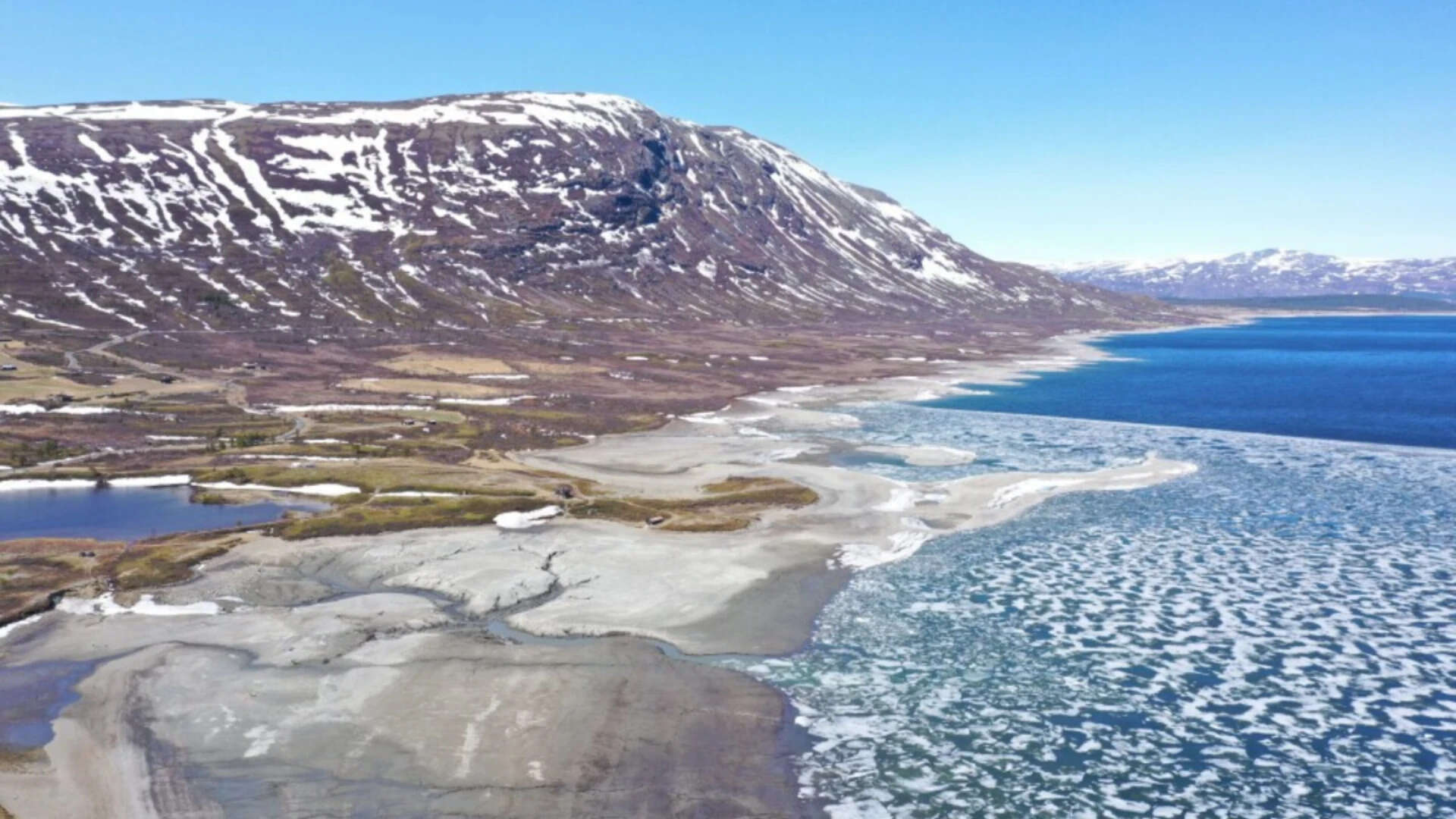
- Hunter-gatherers in Norway introduce fish into mountain lakes about 7,000 years ago.
- The lakes were previously fishless, and the fish introduction is described as intentional.
- Archaeological remains show wooden fish traps built at the lakes, with some dating to around 5000 BC.
- The fish involved are identified as brown trout in one report.
- Accounts describe transporting live trout through rugged terrain, including past waterfalls.
In a remarkable feat 7,000 years ago, ancient hunter-gatherers transformed Norwegian mountain lakes by introducing brown trout. Archaeologists discovered remnants of intricate fish traps from 5000 BC, highlighting how these early communities intentionally manipulated their ecosystems for sustainable food resources. They even transported live fish through rugged landscapes, paving the way for the fisheries we know today, where anglers still catch their ancient descendants.
1 day agoMany centuries before the advent of agriculture in Norway, ancient people transported fish into mountain lakes to create a source of food, then built wooden traps to catch them
1 day ago
Explosive diarrhea parasite outbreak spreads across multiple US states, with Michigan hardest hit
An outbreak of diarrhea-causing parasites continues to spread across the United States, with Michigan reporting the high...

U.S. carries out 10th straight night of strikes on Iran amid reports of nearly 100 injured
The United States carries out a 10th consecutive night of strikes on Iran, according to U.S. Central Command (CENTCOM)....

Denise Welch praises Matty Healy’s “magical” three-day wedding in Los Angeles
Denise Welch says her son, musician Matty Healy of The 1975, married model Gabbriette in a wedding she describes as “the...