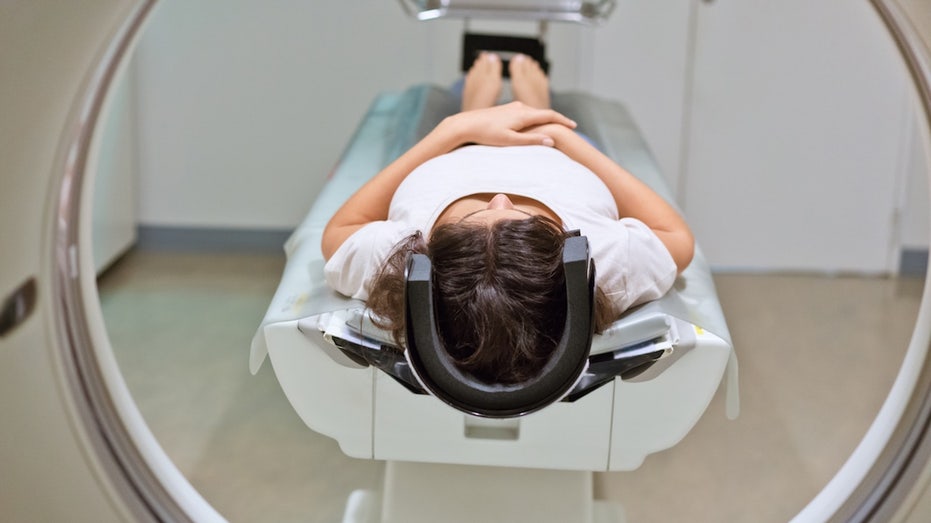
A new case involving a brain tumor found during a preventive screening is bringing renewed attention to full-body MRI scans, which some advocates say can detect certain diseases earlier than standard care. Multiple outlets describe the incident as part of a broader discussion about the value and limitations of “whole-body” or full-body MRI testing, often pursued by people without symptoms.
While the reports focus on the potential benefit of identifying a problem through imaging, they also highlight concerns raised by some physicians. These concerns include the possibility of false positives, incidental findings that may lead to additional tests or procedures, and questions about how often such scans change outcomes enough to justify their cost and resource use.
The coverage emphasizes that full-body MRI testing is not universally recommended and that decisions can depend on individual risk factors, the scan protocol used, and how findings are interpreted and followed up. The case is presented as a reminder that preventive imaging can uncover serious conditions, but it also underscores the need for careful evaluation of benefits, harms, and costs.