


Gold prices remain steady as traders watch ongoing developments in the Middle East for potential implications for energy prices and, in turn, inflation. Both outlets report that the market is focused less on company-specific or economic data catalysts and more on how the conflict could affect oil and other energy inputs. The expectation is that changes in energy costs would feed into broader inflation expectations, influencing investor demand for gold as a hedge. Trading sentiment is therefore tied to the pace and direction of developments in the region rather than a specific single event. With gold described as “steady,” the reports indicate limited immediate repricing, suggesting investors are taking a wait-and-see approach until clearer signals emerge about the conflict’s impact on energy markets. Overall, the coverage portrays gold as responding primarily to macro and geopolitical expectations connected to inflation rather than to a distinct domestic market driver.
Gold holds steady as traders monitor Middle East developments for inflation signals
Gold prices remain steady as traders watch ongoing developments in the Middle East for potential implications for energy prices and, in turn, inflation. Both outlets report that the market is focused...

- Gold prices are steady.
- Traders monitor Middle East developments.
- Market focus is on how the conflict could affect energy prices.
- Energy price changes are expected to influence inflation expectations.
- The reports describe a wait-and-see approach rather than a large immediate move.
Gold was steady as traders monitored a raft of developments in the Middle East conflict for clues on the energy price impact on inflation.
10 hours agoGold was steady as traders monitored a raft of developments in the Middle East conflict for clues on the energy price impact on inflation.
11 hours ago
Thames Water lenders consider ‘golden share’ to avert UK nationalisation
Lenders and investors involved in a potential rescue of Thames Water are considering offering the UK government a “golde...
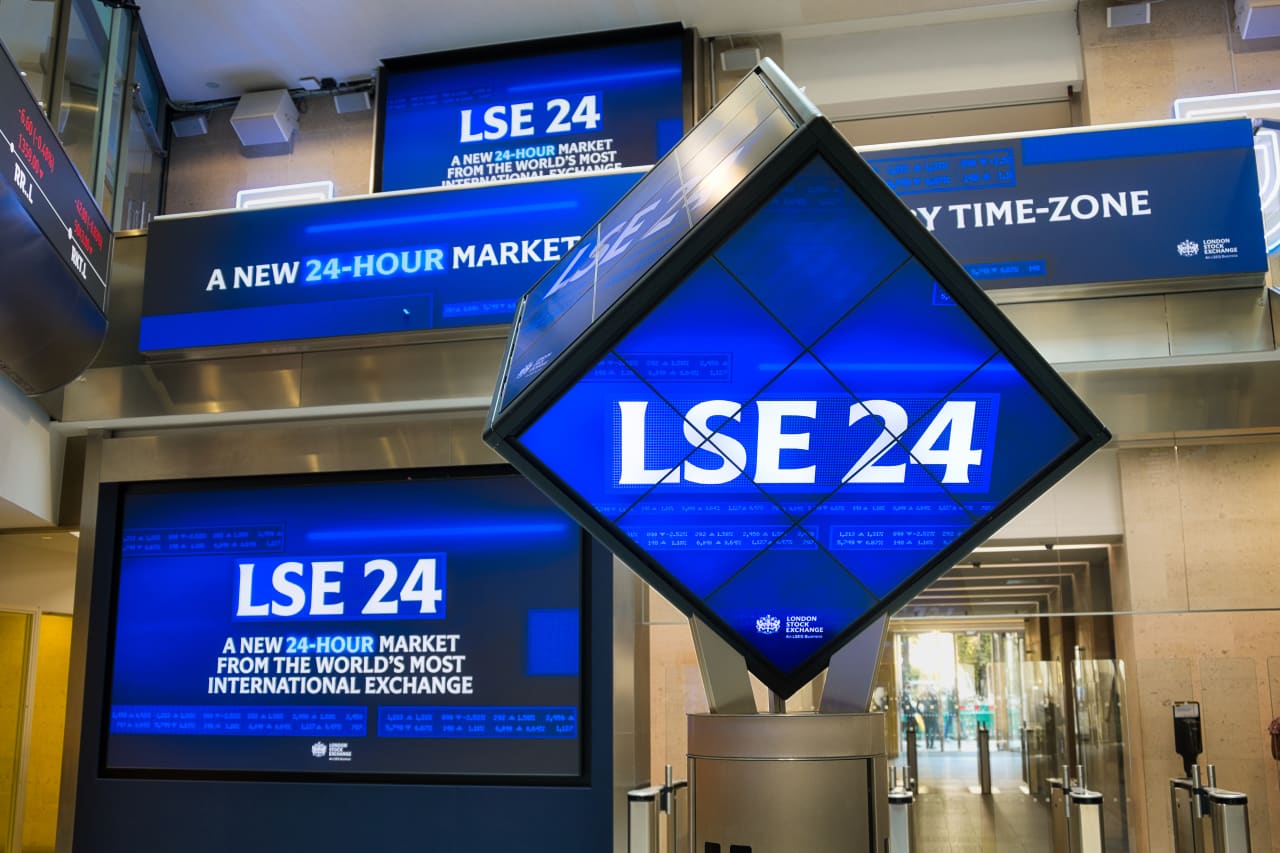
London Stock Exchange to launch near-24-hour trading venue LSE 24 next year
The London Stock Exchange (LSE) says it will introduce a new trading venue that extends stock trading beyond its traditi...

Stripe and Advent submit joint $53B offer to buy PayPal
Stripe and private equity firm Advent International make a joint offer to acquire PayPal Holdings for about $53 billion,...