


Nigeria marks one year since President Bola Tinubu signed the country’s tax reform laws, with reporting focusing on early outcomes and ongoing effects. Multiple outlets frame the anniversary as a checkpoint for whether the reforms deliver tangible changes in how Nigeria generates revenue and supports economic activity. The coverage emphasizes that the reforms are designed to improve the tax system’s structure and functioning, with the expectation that this will strengthen government revenue collection. Both sources describe a shift from uncertainty at the time of signing to a clearer view of impact after a year. The Punch highlights the reforms’ role in boosting revenue, supporting the economy, and enabling government funding for national priorities, while Daily Post Nigeria presents the reforms as already taking shape and contributing to the direction of Nigeria’s economic management. While the articles share a general positive assessment of early developments, they do not provide detailed figures in the excerpts provided. Overall, the anniversary coverage treats the reforms as a continuing process rather than a fully settled outcome, underscoring that changes in tax administration and revenue performance are unfolding over time.
Nigeria marks one year since Tinubu signed tax reform laws
Nigeria marks one year since President Bola Tinubu signed the country’s tax reform laws, with reporting focusing on early outcomes and ongoing effects. Multiple outlets frame the anniversary as a chec...

- President Bola Tinubu signs Nigeria’s tax reform laws one year ago.
- Coverage focuses on early results in government revenue collection and tax administration.
- Reports describe improvements in how Nigeria raises revenue as changes take effect.
- The reforms are linked to broader support for economic activity and government funding.
- Both sources present the reforms as developing over time rather than instantaneous effects.
One year ago, President Bola Ahmed Tinubu, GCFR, signed Nigeria’s landmark tax reform laws. At the time, many Nigerians wondered whether the reforms would make any real difference. Today, one year later, the answer is becoming clear. The reforms are not only changing how Nigeria raises revenue but also the country’s economic direction. For decades, Nigeria […] Arabinrin Aderonke: One year after tax reform laws: Tinubu’s economic foresight taking shape
7 hours agoOne year after President Tinubu signed Nigeria’s tax reform laws, discover how these changes are boosting revenue, strengthening the economy, and funding d Read More: https://punchng.com/tax-reform-one-year-after/
16 hours ago
Aoun meets Trump as Lebanon begins US-brokered Israel “pilot zone” operations
Lebanese President Joseph Aoun is in Washington for meetings culminating with US President Donald Trump as the first pha...
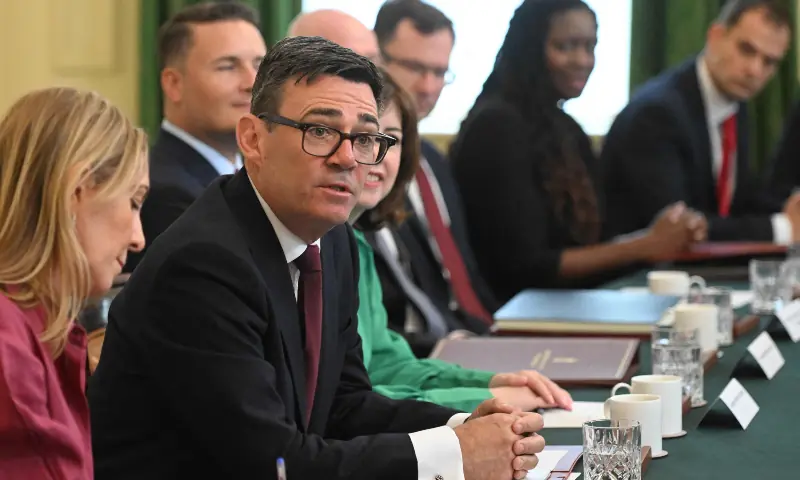
Andy Burnham reshapes UK cabinet with new appointments and reshuffled key roles
Britain’s new Prime Minister Andy Burnham holds his first cabinet meeting with a sharply reshaped team, removing some se...

Celtic and Rangers charged by SFA after trouble following Scottish Cup match at Ibrox
Celtic and Rangers are charged by the Scottish Football Association (SFA) following incidents reported after their Scott...