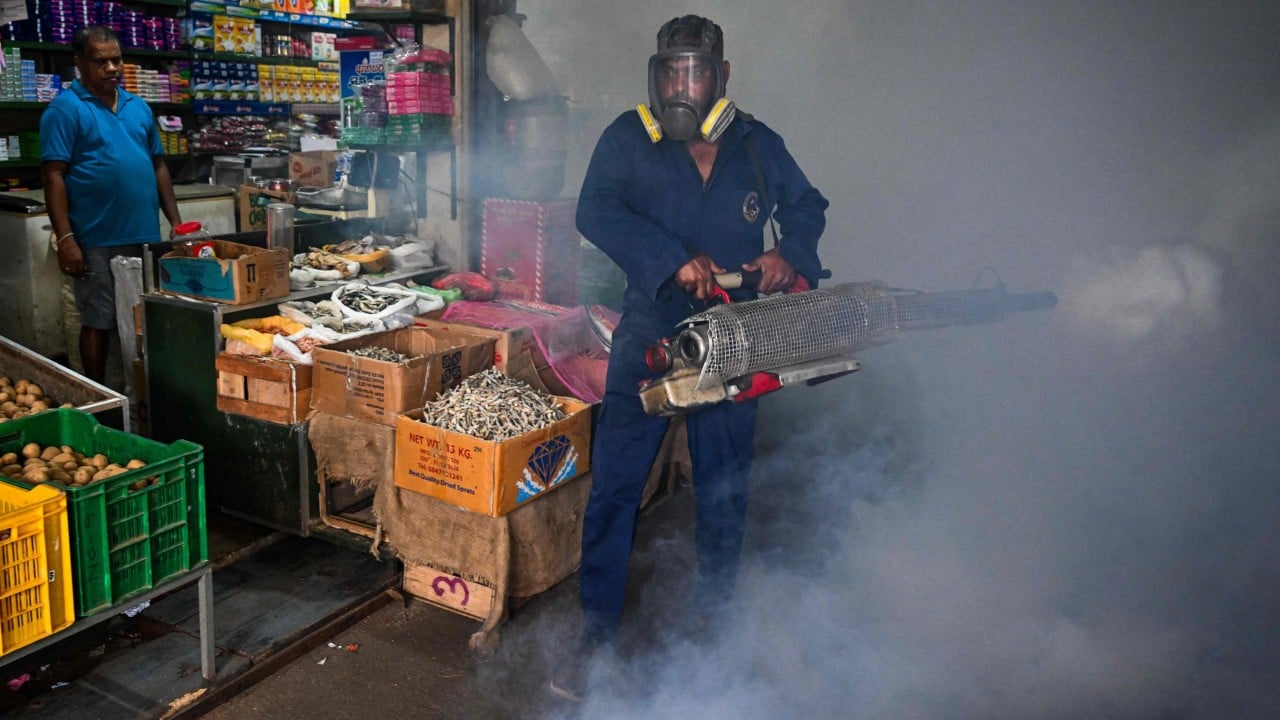
Sri Lanka is using Air Force drones and military support to respond to its worst dengue outbreak in nearly a decade. Multiple outlets report that dengue has killed at least 53 people and infected roughly 76,000–77,000 others since the start of the year, with cases continuing after monsoon rains. Health services and hospitals are described as under pressure while authorities try to reduce mosquito breeding sites.
Reports say the drone operations focus on detecting areas with standing water, including rooftop pools, where mosquitoes lay eggs. In addition to aerial surveillance, the armed forces are helping with ground-level efforts such as inspecting homes and other properties, including building sites and schools. Police and military personnel are also involved in campaigns aimed at locating and removing potential breeding locations.
While the death and infection totals vary slightly between reports, they all cite a large-scale outbreak in 2024 and a coordinated response combining public health measures with military resources, including drone monitoring.