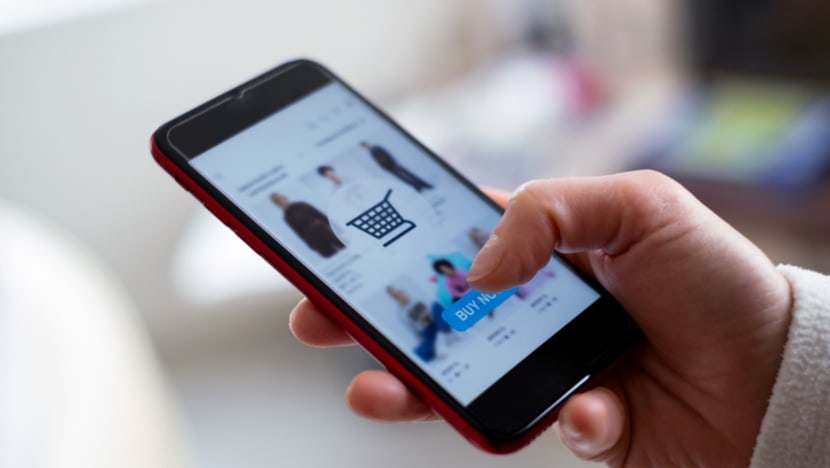
Viral “dopamine apps” are encouraging some users to order simulated or “fake” food and fashion items through delivery-style platforms, even though the purchases often involve no real-world cost. Commentators and academic analysis describe this behavior as part of a wider pattern of seeking quick pleasure, novelty, and instant gratification. The apps’ gamified formats and the appearance of real deliveries can make the experience feel immediate and rewarding, contributing to their popularity.
Both sources note that free does not mean risk-free. Using these apps can still lead to downsides, including increased data collection and advertising targeting. Even when no money is spent, user choices and engagement patterns can help companies profile preferences and improve marketing in real life. The overall discussion focuses on why the apps attract users and what potential consequences follow from participation, particularly around privacy and the way consumer behavior may be used for targeted promotion. The sources do not present a single definitive cause, but they align on the core idea that the apps’ design and the incentives created by “delivery” mimic real consumption while influencing user data.