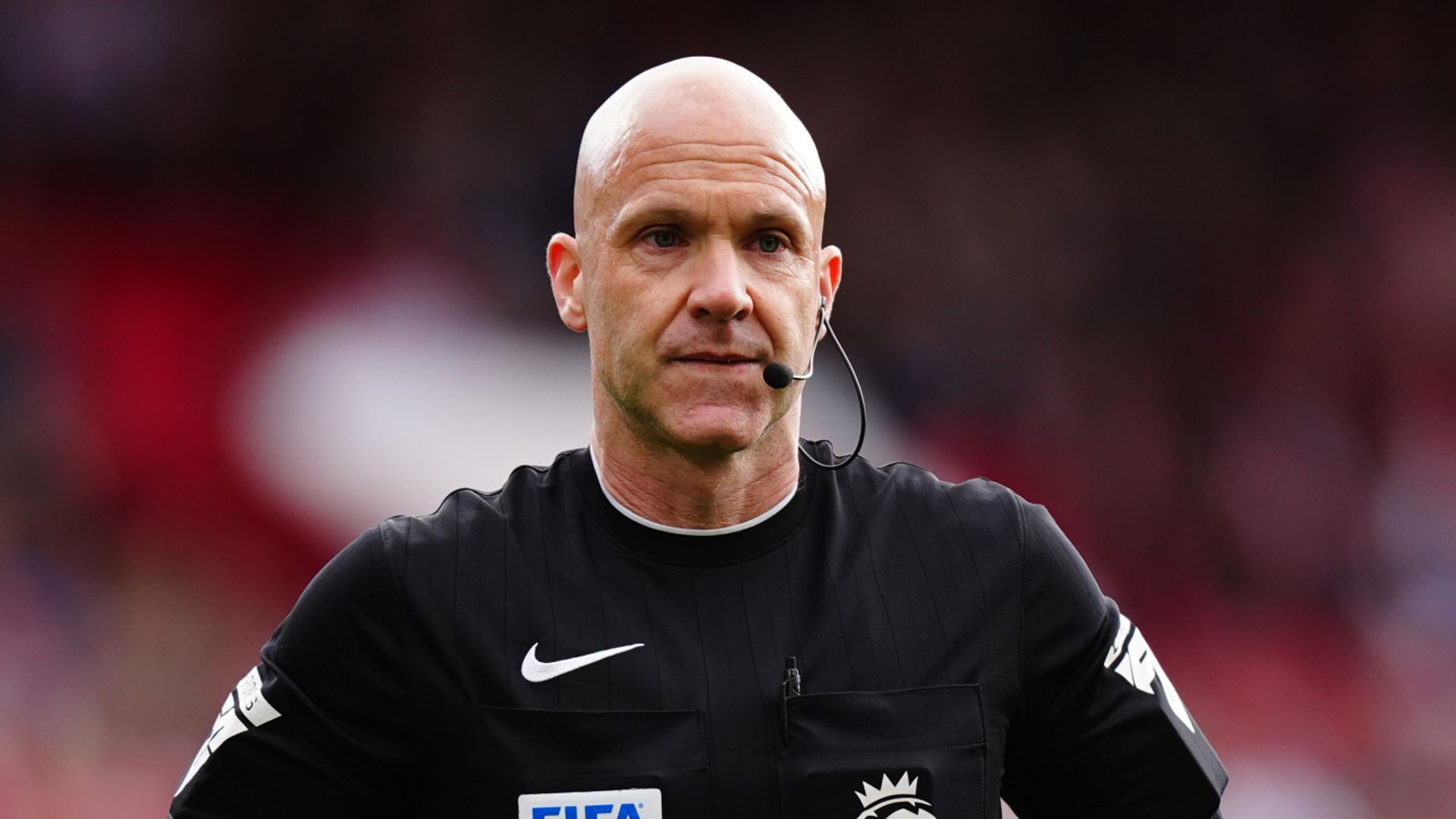
Argentina’s reputation as World Cup “villains” is being debated at home after the team’s 1-0 loss to Spain. Several outlets report that critics point to what they describe as dirty tactics and poor sportsmanship during the tournament, saying Argentina repeatedly drew backlash as the competition progressed. They also cite claims that the team benefits from favorable officiating, including penalties and cards shown to opponents, and that opponents were the subject of tactical fouls.
At the same time, other coverage highlights a counterview within Argentina. Supporters and commentators describe the Albiceleste’s style as passionate and in line with hard-fought South American football, arguing that the criticism reflects misunderstanding rather than wrongdoing. The question of “arrogance or pride” is framed as a broader national debate about how Argentina’s conduct is interpreted by critics and by football fans, domestically and abroad.
While outlets agree the villain label is widely discussed and linked to Argentina’s tournament conduct and matches—particularly the Spain game—coverage differs on whether Argentina’s actions are seen as misconduct or as competitive intensity.