


The Trump administration prepares to impose new US import tariffs affecting dozens of trading partners as its temporary across-the-board 10% global duty is set to expire on Friday. Trade envoy Jamieson Greer says the administration expects to take “some action soon,” without giving a precise timeline, after a legal basis for the earlier global tariffs was affected by court rulings earlier this year.\n\nThe new measures are aimed at forced-labour concerns. Officials and analysts expect duties to replace the expiring 10% levy, with rates reported in a range of 10% to 12.5%, depending on the country. Products from partners including Canada, Mexico, the European Union, Taiwan and the UK are described as facing 10%, while goods from other major economies such as China, India and Japan are described as facing 12.5%.\n\nThe reports also note other concurrent tariff actions: the US recently announced 25% tariffs on certain Brazilian goods and a 50% tariff on many Canadian products. In addition, the administration announced a separate, long-term increase in tariffs on imported generic drugs beginning in 2028. Officials note that the forced-labour tariffs require formal comment and hearing steps, so full implementation may occur after Friday.
US signals new forced-labour tariffs as temporary 10% global levy expires Friday
The Trump administration prepares to impose new US import tariffs affecting dozens of trading partners as its temporary across-the-board 10% global duty is set to expire on Friday. Trade envoy Jamieso...
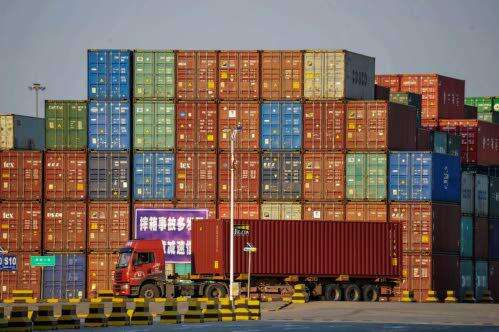
- The US temporary 10% global import duty expires on Friday, and the administration signals new tariffs are expected to follow soon.
- The planned new tariffs target alleged forced-labour practices under US trade authorities described as Section 301 of the Trade Act.
- Reported tariff rates for forced-labour concerns vary by country: 10% for some partners (including Canada, the EU, Mexico, Taiwan and the UK) and 12.5% for others (including China, India and Japan).
- Some new tariff steps are also reported alongside the forced-labour measures, including 25% tariffs on certain Brazilian goods and 50% tariffs on many Canadian products.
- US officials say the forced-labour tariffs may require comment periods and hearings, so complete implementation may not be immediate even if the process starts by Friday.
President Donald Trump is poised to impose fresh levies on products from dozens of economies by Friday, according to people familiar with the matter, a move to ensure his tariff regime remains intact even after stopgap 10% global duties lapse.The Trump administration last month proposed new tariffs of at least 10% on 60 trading partners, citing what it said were lax forced-labor standards. The president’s team is preparing to impose duties by the week’s end, though it’s not clear if they’ll diverge from the initial proposal, said the people, who requested anonymity to discuss the plans before they’re public.Also Read: India to ban imports of goods made using forced labourTrump’s temporary charges are set to expire on Friday, and if the next round of levies are implemented by then, the White House would avoid any gap between the two. The plan is not final and could change.The president applied the across-the-board 10% rate after the Supreme Court struck down his previous global tariffs earlier this year.That duty was applied under Section 122 of the Trade Act, which allows the president to enact a 10% import surcharge for as many as 150 days to address balance-of-payments deficits. The US Court of International Trade also knocked down that tariff but limited relief only to the plaintiffs and left it broadly intact for other importers.132550779By moving forward with the latest proposal, Trump would cement his commitment to tariffs, despite voter concerns about the cost of living heading into November’s midterm elections.Also Read: Trump announces new generic drugs tariff planCritics of his policies argue that import taxes raise the price of consumer goods, but the president and top administration officials say that tariffs are necessary to rebuild American manufacturing might and protect domestic industries.The administration this week vowed to impose 50% tariffs on many Canadian goods, dramatically escalating Trump’s long-running trade fight with the US’s northern neighbor. The US moved last week to apply a 25% tariff on many Brazilian products.Under the Office of the US Trade Representative’s proposal on addressing forced-labor used to make imported goods, items from dozens of economies including Canada, Mexico, the European Union and Taiwan would face a 10% duty. Products imported to the US from other major economies, including China, India and Japan, would be subject to a 12.5% levy.US Trade Representative Jamieson Greer said Tuesday final implementation of the forced-labor investigation is imminent, though he declined to give specifics. Those duties would be applied under Section 301 of the Trade Act, which allows the president to unilaterally impose tariffs to combat foreign trade practices deemed to burden US commerce.“We expect to see some action soon,” Greer said Tuesday on CNBC. “I can’t really specify a timeline right now — I have a responsibility to brief Congress and other stakeholders before I really reveal that kind of thing. But we do expect action soon on that front.”However, another potential slew of tariffs from a separate probe into excess capacity are not expected to be in place by Friday. Administration officials have recently said the process for those is still ongoing.The proposed results require a formal comment period and hearings before the duties go into place. That means that the complete reimposition of Trump’s emergency tariffs won’t come until a later date.
5 hours agoWASHINGTON, United States (AFP) — The United States is set to impose new tariffs that could hit dozens of countries soon, trade envoy Jamieson Greer signalled Tuesday, with President Donald Trump's temporary global levies due to expire this week. The Trump administration has prepared fresh tariffs targeting 60 trading partners over their alleged failures to act against forced labour, as officials push to rebuild the US leader's trade agenda after legal setbacks. "We expect to see some action soon," Greer told CNBC when asked if new duties were incoming. He did not specify a timeline. Trump imposed a 10-per cent global duty this year after a swath of his tariffs were struck down by the Supreme Court in February, but this levy expires on Friday. Analysts expect that new tariffs over forced labour concerns -- set between 10 per cent and 12.5 per cent -- would replace these temporary duties. They come as Trump makes a renewed push to use tariffs as leverage against US trading partners, sparking fears of retaliation and diplomatic tensions. Washington announced a fresh 25-per cent duty on certain Brazilian goods last week, and on Monday unveiled a 50-per cent levy on many Canadian products to take effect in 30 days. Canadian Prime Minister Mark Carney said Tuesday that he was looking at "all options," adding that he and Trump had agreed to "intensify discussions" in the coming weeks on a possible deal. On Tuesday, Trump announced a new 100 per cent sector-specific tariff on imported generic drugs to take effect from August 2028, with that level rising to 200 per cent in 2029. For now, the US leader said the tariff on generic drugs would be cut to zero from August 2026, in an effort to build a window for the onshoring of such pharmaceutical production to the United States. Greer said Tuesday that new action on forced labour will cover the majority of US trade, with the moves likely to reignite trade tensions. A 10-per cent tariff rate would hit US imports from partners including Canada, the European Union, Mexico, Taiwan and the United Kingdom. They were found to have taken steps against forced labour. Goods from over 40 other major economies like China, India and Japan face a 12.5 per cent levy. The EU previously said that it considers tariffs imposed on these grounds "unjustified." Washington's planned 50-per cent tariff on Canada also comes as US-Mexico talks over a North American free trade pact intensify. Washington recently declined to extend the accord in its current form. Greer is set to travel to Mexico from Wednesday to Friday for discussions linked to a joint review of the US-Mexico-Canada Agreement (USMCA). But negotiations with Canada have proceeded at a slower pace. Carney on Tuesday did not suggest that he would head to Washington for talks. Some lawyers see Trump's use of an untested legal provision -- Section 338 of the Tariff Act of 1930 -- as a means to gain leverage over Canada in USMCA negotiations. Trade lawyer Dave Townsend of Dorsey & Whitney added that higher tariffs "appear to be aimed at encouraging an agreement between Canada and the United States, or in retaliation for the failure to reach such agreement, or both." The question, he said, is whether both sides will start a "cycle of escalation and retaliation." Crucially, Trump's latest salvo will not exempt affected Canadian products entering his country under the USMCA. Trump told reporters Tuesday that the Canada tariffs were unrelated to his earlier threats over wildfire smoke that descended into the United States. US plans for a 25-per cent tariff on Brazilian goods over accusations of unfair trade practices have separately drawn a sharp rebuke from the Latin American giant. The levy is due to take effect Wednesday, while shaping up as a major campaign flashpoint just months before Brazil's presidential election. A range of products like beef, coffee and certain aircraft parts will be exempted, as will some goods that the United States does not produce. Still, the American Chamber of Commerce for Brazil recently warned that Washington's measure places Brazil among countries "facing the most restrictive conditions for access to the US market," affecting more than $11 billion in exports.
10 hours ago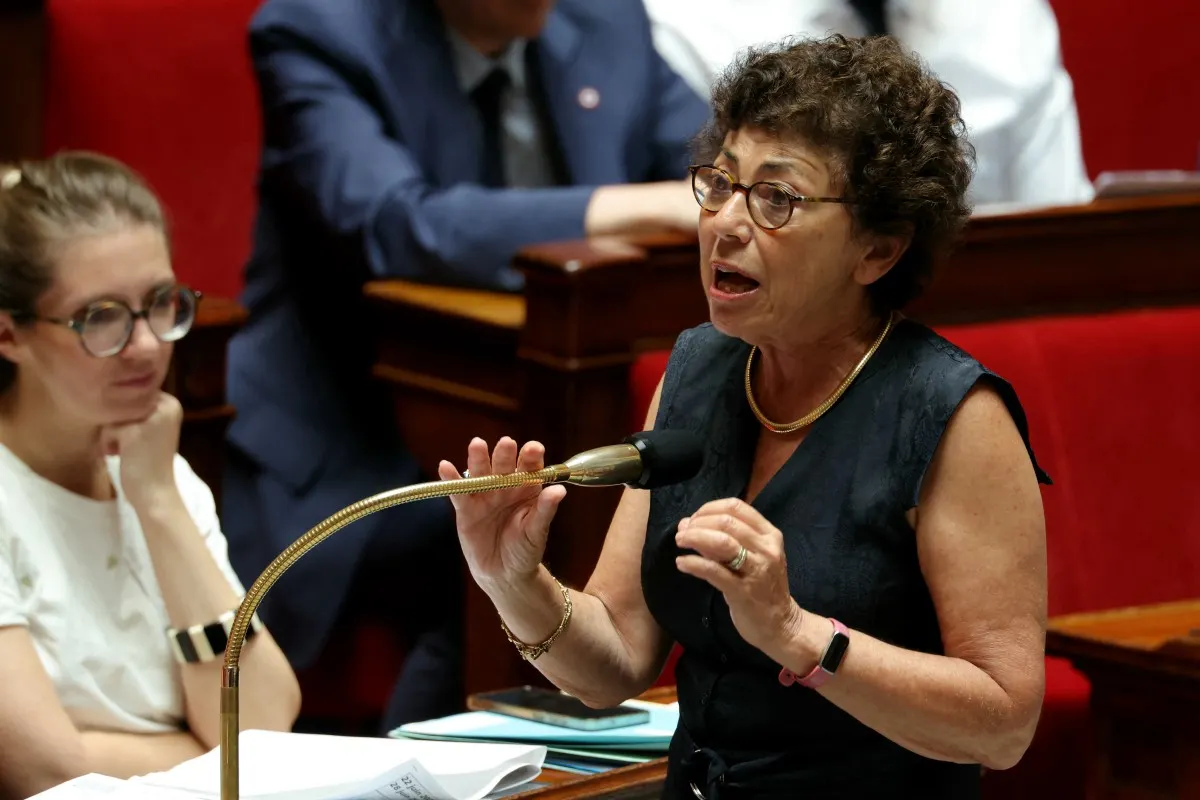
French environment minister resigns after MPs approve reintroduction of bee-harming pesticides
French Environment Minister Monique Barbut announces she will resign after the French parliament adopts a controversial...

Rubio warns ASEAN Iran’s Strait of Hormuz control would set a dangerous precedent
US Secretary of State Marco Rubio tells Southeast Asian foreign ministers that allowing Iran to control and collect toll...

Andy Burnham announces £2 single bus fare cap across England from January
Prime Minister Andy Burnham announces that single bus fares across England will be capped at £2 starting in January. The...