


Economists quoted by multiple outlets say India’s foreign-exchange reserves remain robust enough to support defense of the rupee despite market pressure linked to an oil shock tied to the conflict around Iran. The argument centers on the idea that current reserve buffers are well above levels observed during earlier stress, particularly the “taper tantrum” period in 2013. In this view, higher reserve adequacy gives policymakers room to manage currency volatility if oil-related import costs rise and weigh on the trade balance. The reports characterize the reserves as still comfortably positioned relative to stress thresholds, suggesting that any FX intervention needs would likely fall within the capacity implied by reserve holdings. While the outlets attribute the currency risk largely to an external energy-price impulse, they do not provide new official policy actions. Instead, they focus on the comparative strength of reserve buffers and the confidence among economists that this provides a cushion against renewed rupee pressure.
India’s forex reserves seen as sufficient to defend rupee amid Iran-linked oil shock
Economists quoted by multiple outlets say India’s foreign-exchange reserves remain robust enough to support defense of the rupee despite market pressure linked to an oil shock tied to the conflict aro...
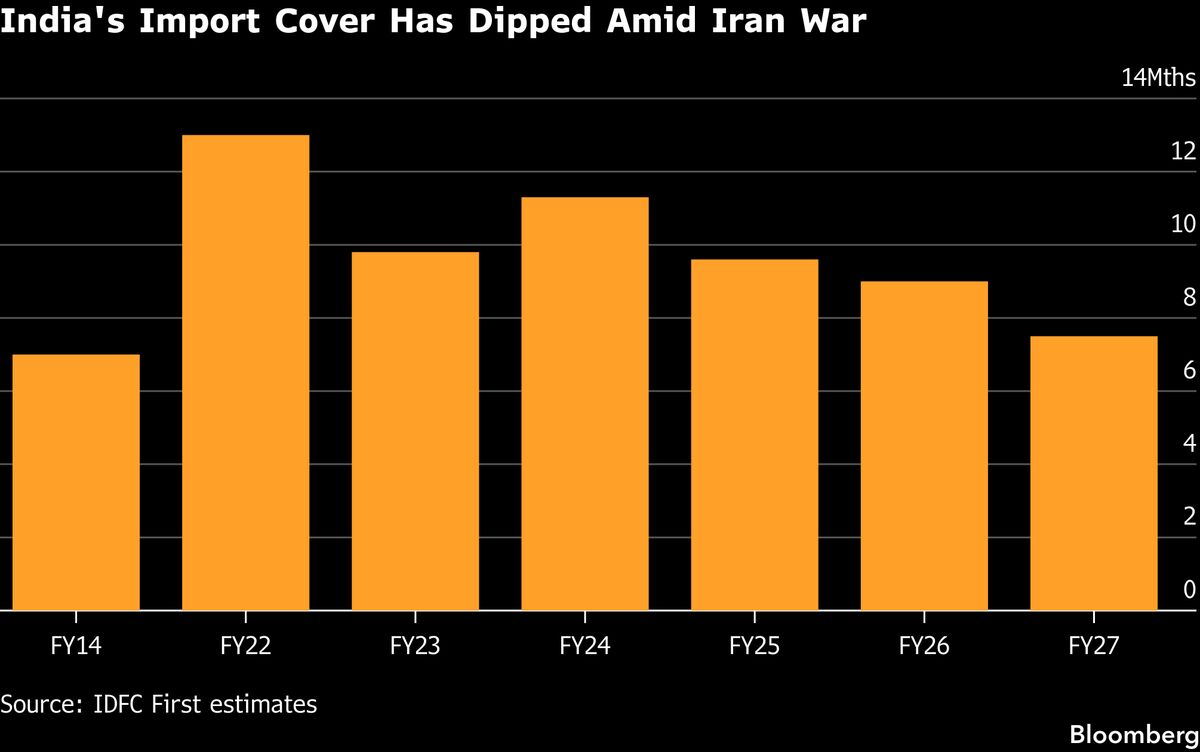
- Economists say India’s foreign-exchange reserves are strong enough to help defend the rupee.
- The main risk discussed is an oil price shock connected to the Iran conflict.
- Sources say current reserve buffers are well above stress levels seen during the 2013 “taper tantrum.”
- Reports present the assessment as a comparative evaluation of reserve adequacy under currency stress.
Economists believe India’s foreign-exchange reserves are still sufficiently strong to shield the rupee from the oil price shock triggered by the Iran conflict, with the country’s reserve buffers remaining far healthier than the levels seen during the 2013 taper tantrum.
3 months agoIndia’s foreign-exchange reserves remain strong enough to defend its currency against the Iran-war driven oil shock, with buffers well above stress levels seen during the taper tantrum, according to economists.
3 months ago
Abercrombie shares jump after $100 million tariff refund ruling
Abercrombie & Fitch shares rise sharply after the company reports that it will receive about $100 million in tariff-rela...
New York wealthy homeowners seek loopholes to second-home tax, face limited options
New York City’s wealthiest homeowners and their advisers are seeking ways to avoid or reduce the city’s new tax affectin...
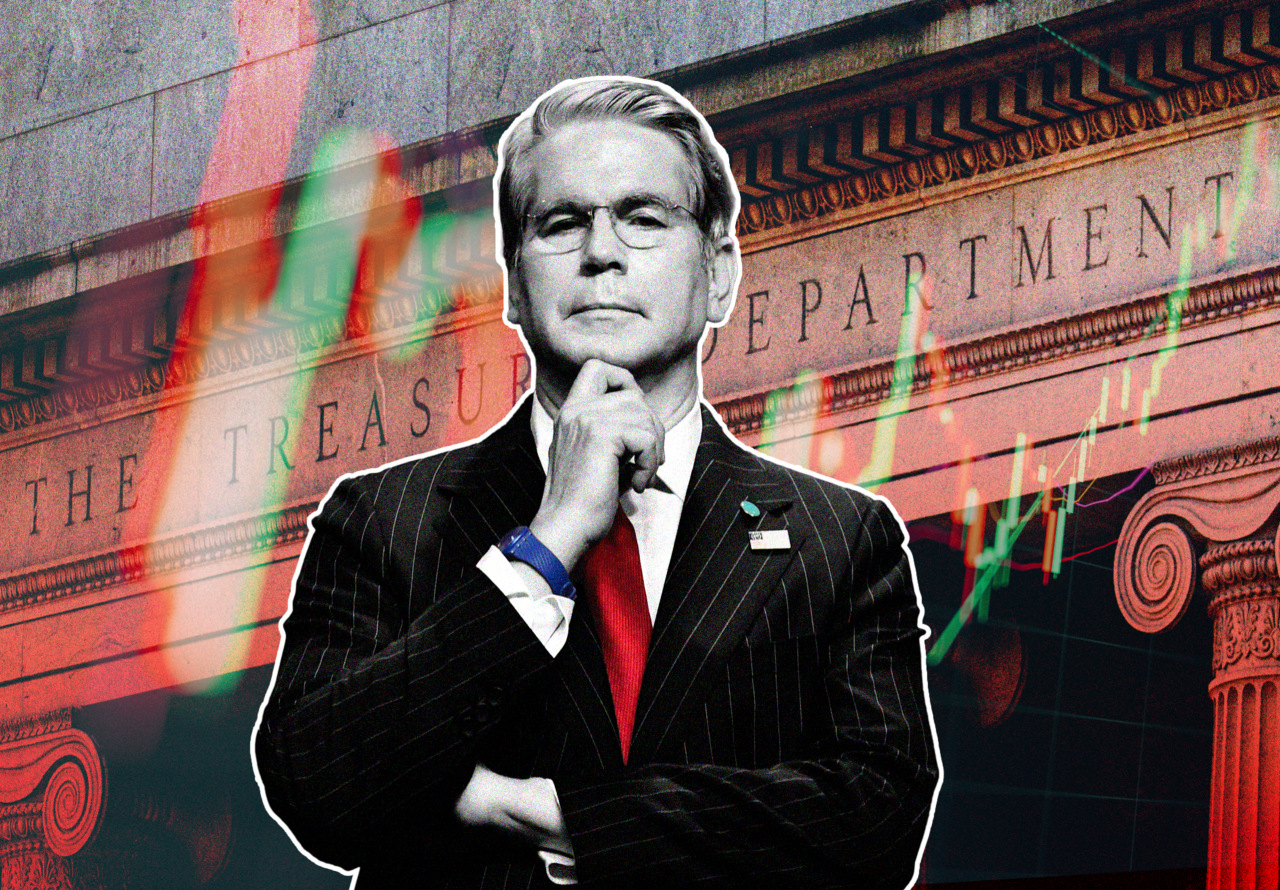
Bessent boosts Treasury debt buybacks after long-dated yields rise
Treasury Secretary Scott Bessent announces an expansion of the U.S. government’s long-dated bond buyback program shortly...