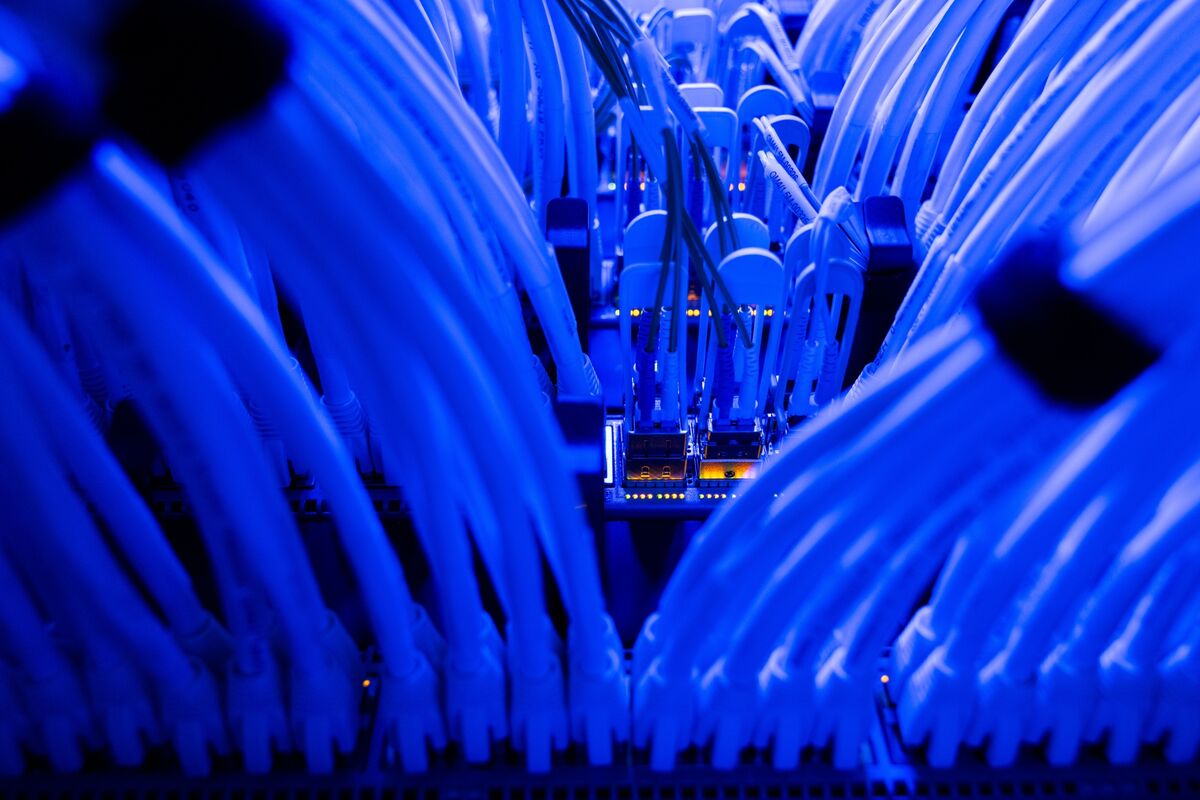
Bloomberg’s Odd Lots podcast examines the undersea fiber-optic cable system that carries most international internet traffic. The show compares the internet to a “series of tubes,” noting that large volumes of cables under oceans move data packets between locations and effectively serve as the backbone of the modern internet. The infrastructure is portrayed as technically vital but vulnerable to disruption. The podcast highlights that extreme events can cut service for extended periods, citing the 2022 volcanic eruption that disrupted web access for the island of Tonga.
Host and guest author Samanth Subramanian, whose book “The Web Beneath the Waves: The Fragile Cables that Connect Our World” focuses on this network, says the internet is not “weightless” or wireless in practice. Instead, the system is described as relying on long-established cable and relay arrangements that resemble earlier telegraph-era cable networks. The discussion also addresses how geography—such as major chokepoints like the Strait of Hormuz and the Suez Canal—affects where cables can be laid, and why protecting this infrastructure is difficult.