


Researchers report that a transmissible cancer is spreading among catfish in Lake Memphremagog, which borders Vermont and Quebec. Multiple outlets describe black skin lesions in affected fish that have been observed for more than a decade. A Vermont research team identifies the lesions as caused by a cancer that can transfer from one fish to another, making it the first confirmed transmissible cancer in a freshwater fish species. The cancer is linked to skin abnormalities on catfish, and the pattern of spread suggests the disease is moving between individuals rather than arising independently within each animal. One characterization of the cancer’s behavior is that its cells act more like parasites than traditional tumors: instead of forming a typical localized tumor mass, the cancer cells appear capable of traveling through the population and establishing new infections in other fish. Together, the reports emphasize that the phenomenon is not only an ecological concern but also a potential scientific clue to how tumors can metastasize or spread across an organismal population. The findings are drawn from study of catfish from Lake Memphremagog and other lakes in New England and Canada where similar lesions have been found.
Transmissible cancer spreads among catfish in Lake Memphremagog
Researchers report that a transmissible cancer is spreading among catfish in Lake Memphremagog, which borders Vermont and Quebec. Multiple outlets describe black skin lesions in affected fish that hav...

- Catfish in Lake Memphremagog (Vermont and Quebec) develop black skin lesions.
- The lesions are caused by a transmissible cancer that can spread from fish to fish.
- A Vermont research team reports this as the first identified transmissible cancer in a freshwater fish species.
- The cancer cells appear to behave more like parasites than conventional tumors, suggesting a different mechanism of spread.
- Similar cases have been noted in catfish from other lakes in New England and Canada.
For more than a decade, there's been something fishy going on in a lake that straddles Vermont and the province of Quebec. It involves cancer, a kind of catfish, and — possibly — clues about how tumors metastasize.
4 hours agoA team of Vermont researchers has discovered that mysterious black skin lesions afflicting catfish in Lake Memphremagog and other New England and Canadian lakes are caused by a transmissible cancer—the first identified in a freshwater fish species. The cancer cells behave more like parasites than conventional tumors, moving from fish to fish.
7 hours ago
William R. Timmons IV invests in SpaceX via SCH Invest
Multiple reports say William R. Timmons IV makes an investment in SpaceX through an arrangement involving SCH Invest. Wh...
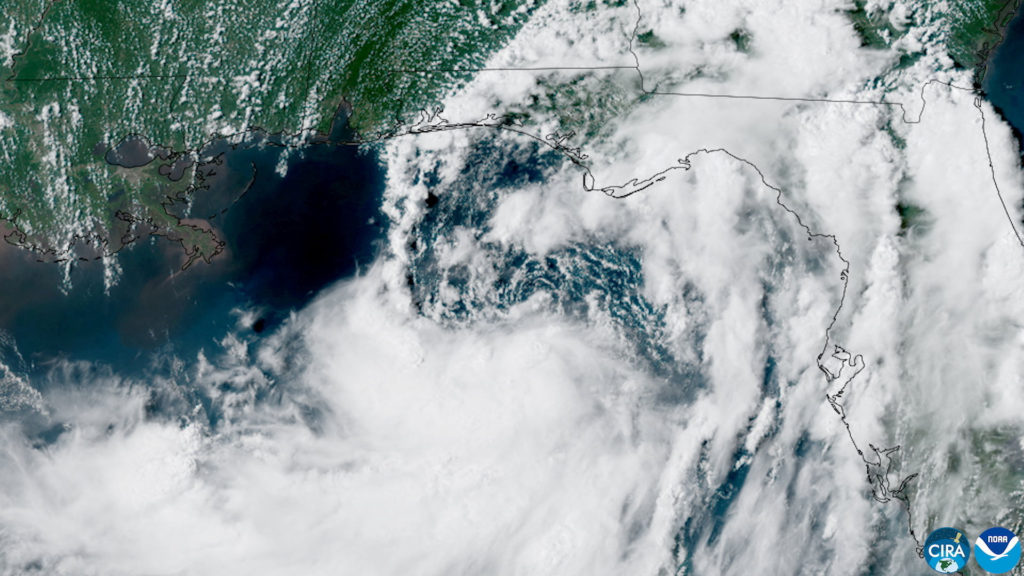
Tropical Storm Bertha makes landfall in Louisiana as Gulf Coast braces for flooding
Tropical Storm Bertha forms over the Gulf of Mexico south of the Florida Panhandle and moves erratically toward the U.S....
Debate over how Internet protocols enabled surveillance and instability, from late 1990s to 2008
Across these accounts, the story centers on how Internet protocol behavior and network control evolved as traffic grew a...