


Researchers map the Great Barrier Reef’s microbiome by analyzing DNA taken from seawater across multiple reef locations. According to reporting, scientists collect samples from 48 reefs and use DNA sequencing to characterize microbial communities associated with the reef ecosystem. The studies identify a large number of viral sequences and estimate the diversity of viruses present, with one account citing 808,585 viral genomes and an estimate of 362,802 different viruses. Alongside viruses, the research documents substantial bacterial diversity, including more than 500 bacterial species previously unknown to science. The mapping builds on earlier work that helped establish microbiome research as a way to understand how complex microbial communities affect health and environments. In this case, the results provide a detailed baseline description of the reef’s microbial life, which can support future studies on reef ecology, ecosystem change, and how microbial communities respond to environmental pressures. The reporting also emphasizes that the work substantially expands what is known about the genetic diversity of microorganisms in a major marine habitat.
Researchers map Great Barrier Reef microbiome, identifying hundreds of new bacterial species
Researchers map the Great Barrier Reef’s microbiome by analyzing DNA taken from seawater across multiple reef locations. According to reporting, scientists collect samples from 48 reefs and use DNA se...
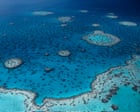
- Scientists analyze DNA from seawater collected at 48 Great Barrier Reef sites.
- The study identifies more than 500 bacterial species previously unknown to science.
- Researchers also detect very large viral diversity, including 808,585 viral genomes.
- The work estimates 362,802 different viruses from the reef samples.
- The results produce a microbiome map that describes microbial communities at the Great Barrier Reef.
In 2012, Nature revealed that humans provide a home to thousands of different species of microbes in a series of papers that opened a path to understanding the impact of the human microbiome on our health.
3 hours agoResearch identifies 808,585 viral genomes belonging to what scientists estimate to be 362,802 different virusesGet our breaking news email, free app or daily news podcastMore than a decade after the human microbiome was comprehensively mapped, scientists have now identified the vast communities of microbes that make up the Great Barrier Reef.Analysing DNA from seawater samples of 48 reefs, researchers have mapped the microbiome of the Great Barrier Reef, documenting more than 360,000 distinct viruses as well as more than 500 new bacterial species not previously known to science. Continue reading...
3 hours ago
William R. Timmons IV invests in SpaceX via SCH Invest, per Investing.com
Investing.com reports that William R. Timmons IV makes an investment in SpaceX through SCH Invest, citing a “substantial...

UNESCO committee considers World Heritage status for Danish fish fossil cliffs
An upcoming UNESCO World Heritage decision is set to focus on two coastal cliffs in Denmark that contain exceptionally p...

Citadel Securities opens Amsterdam office to expand European presence
Citadel Securities, a technology-driven global market maker, announces the opening of a new office in Amsterdam. The com...