


Researchers report that dust grains trapped in Antarctic ice preserve information about material that reached Earth from space over long periods of time. By analyzing this preserved “stardust,” the study links the composition and presence of extraterrestrial particles to past conditions in the Solar System. The approach builds on the idea that debris from exploding stars and other sources mixes into interstellar material and eventually can become trapped in Earth’s environment, where it remains archived in ice layers. The reports describe the use of Antarctic ice as a time capsule, allowing scientists to examine changes across tens of thousands of years rather than relying only on contemporary measurements. The sources also characterize the broader context: much of space is not empty but filled with interstellar clouds composed of gas, plasma, and dust. While the underlying theme differs between outlets—one emphasizes the broader method of studying cosmic history on Earth, and the other provides additional background on interstellar material—both present the finding that the captured particles in Antarctic ice can be used to reveal past Solar System conditions over extended timescales.
Antarctic ice study uses captured stardust to reconstruct tens of thousands of years of Solar System history
Researchers report that dust grains trapped in Antarctic ice preserve information about material that reached Earth from space over long periods of time. By analyzing this preserved “stardust,” the st...
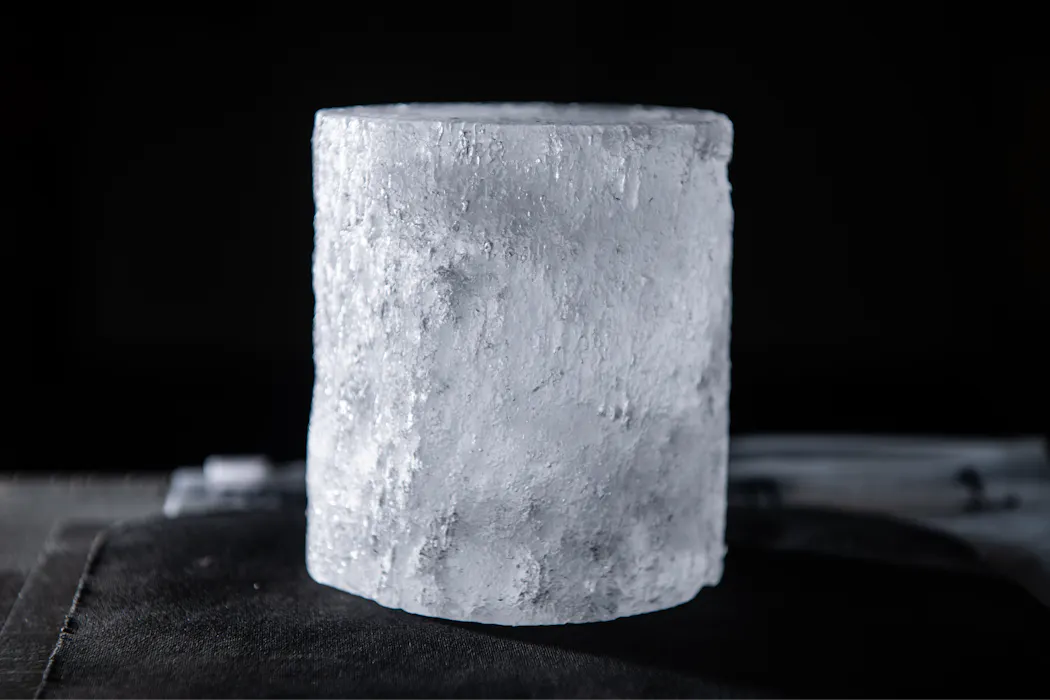
- Dust grains captured in Antarctic ice preserve information about extraterrestrial material over long timescales.
- Researchers use the composition of “stardust” in ice layers to reconstruct aspects of Solar System history.
- The work focuses on periods spanning tens of thousands of years.
- The study is grounded in the presence of interstellar material, including gas, plasma, and dust.
- Extraterrestrial debris reaching Earth can become trapped in the ice, creating a long-term record.
When you think of outer space, you're likely picturing stars, planets and moons. But much of space is filled with clouds of gas, plasma and stardust—known as interstellar clouds.
3 months agoWe can study the cosmos by tracing debris from exploding stars right here on Earth.
3 months ago
SpaceX recovers Starship from Indian Ocean and ships it back to Texas
SpaceX recovers its most recently launched Starship from the Indian Ocean about a month after launch, marking what outle...

Global sea-surface temperature hits record 21.1°C as strong El Niño develops
Global ocean surface temperatures reach a new record as the global daily average sea-surface temperature hits 21.1°C on...

Daily Mail features claims about Texas conservatives’ support for solar and wind
The Daily Mail publishes a piece arguing that right-leaning conservatives in oil-rich Texas embrace renewable energy suc...