


Experts say the U.S. proposal by President Donald Trump to impose 50% tariffs on Canadian goods could have economic repercussions for Canada, but they also caution that the threat may be used as leverage in negotiations and may not ultimately be implemented. Multiple sources report that economists expect any effective tariffs would likely affect Canada’s trade flows and growth outlook, with one estimate from Desjins economist Randall Bartlett suggesting the measure could reduce Canada’s economic growth by roughly 0.2 to 0.3 percentage points in 2026 and 2027. At the same time, commentators note that tariff threats are sometimes deployed to pressure counterparts during bargaining, meaning the final outcome could differ from initial statements. Sources also agree that Canadian trade negotiators should plan for potential downside while continuing diplomatic and commercial engagement, rather than assuming the threat will be ignored. Overall, the reporting frames the tariff risk as both a near-term uncertainty for Canada’s economy and a possible tactical position in broader U.S.-Canada discussions.
Experts weigh impact of Trump’s proposed 50% tariffs on Canada and possible negotiating intent
Experts say the U.S. proposal by President Donald Trump to impose 50% tariffs on Canadian goods could have economic repercussions for Canada, but they also caution that the threat may be used as lever...

- The U.S. has raised the prospect of 50% tariffs on Canadian goods.
- Experts say the tariffs could negatively affect Canada’s economy if implemented.
- One estimate cited by economists projects a reduction in Canada’s growth of about 0.2–0.3 percentage points in 2026 and 2027.
- Some analysts describe the tariff threat as potentially serving as a negotiation tactic rather than a guaranteed policy.
- Canadian trade negotiators are advised to consider the potential impact while engaging in talks.
Desjardins economist Randall Bartlett estimates the tariffs could shave two to three tenths of a percent off Canada's growth in 2026 and 2027.
1 day agoExperts say the tariffs could be a negotiation tactic and may not come into effect; still, Canadian trade negotiators should be cautious moving forward
1 day agoThe U.S. threat of 50% tariffs on Canadian goods will have a ripple effect on the country's economy but also could be a negotiation tactic by the U.S. administration, experts say.
1 day ago
BSP appoints Dino Gasmen assistant governor for financial markets
The Bangko Sentral ng Pilipinas (BSP) appoints banking veteran Dino Gasmen to lead the central bank’s financial markets...
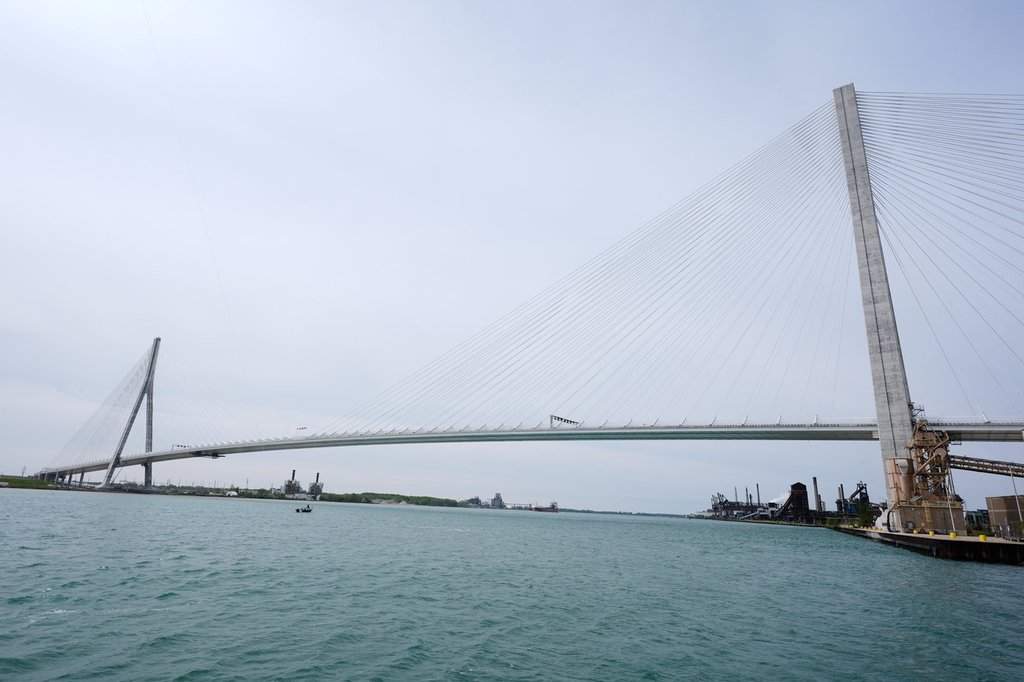
Canada holds solo opening ceremony for Gordie Howe International Bridge amid U.S. tariff threats
Canada marks the opening of the Gordie Howe International Bridge with a Canada-only ceremony after cancelling a joint ce...

Ameris Bancorp and Amerant Bancorp hold Q2 2026 earnings calls
Ameris Bancorp (ABCB) and Amerant Bancorp (AMTB) conduct Q2 2026 earnings calls, according to the provided Seeking Alpha...