


A psychologist argues that the idea women can simply leave abusive relationships is overly simplistic. The articles, which share the same theme across outlets, say that when partners harm or threaten women, many victims do not make the decision to leave immediately. Instead, the decision can come after a prolonged period shaped by factors such as ongoing risk, coercion, and the practical and psychological barriers faced in the relationship. The commentary responds to public advice associated with Pauline Hanson, suggesting that real-world domestic violence situations involve complex dynamics rather than a single choice. Across the reports, the central point is that leaving is often the final decision victims make rather than a straightforward or immediate one. The articles present this as an explanation grounded in clinical experience, highlighting that threats and safety concerns can affect timing, planning, and willingness to exit a relationship. Overall, the pieces emphasize that domestic violence is not resolved by simplistic instructions and that victims’ circumstances can determine when they are able to leave.
Psychologist explains why domestic violence victims may not ‘just leave’
A psychologist argues that the idea women can simply leave abusive relationships is overly simplistic. The articles, which share the same theme across outlets, say that when partners harm or threaten...
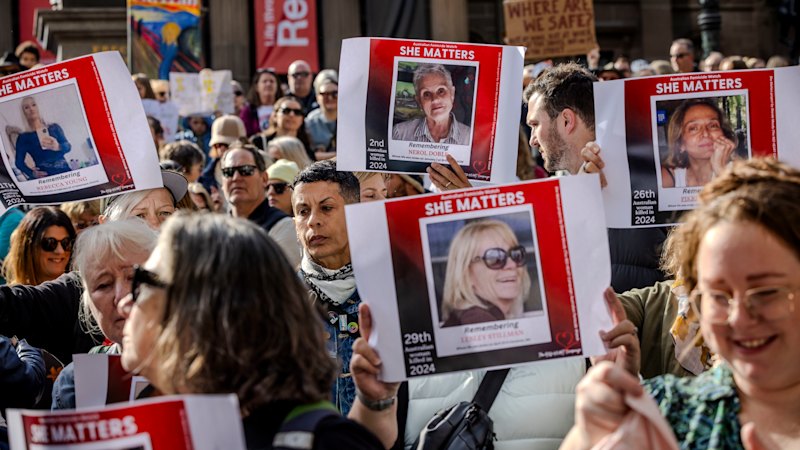
- The articles discuss domestic violence situations where women are harmed or threatened by partners.
- They argue that advice to ‘just leave’ is not simple in practice.
- The shared message is that leaving is often a delayed and final decision for victims.
- The accounts draw on a psychologist’s clinical experience to explain victims’ choices.
- The commentary references Pauline Hanson’s remarks as a point of comparison.
Women being harmed or threatened by their partners follow Pauline Hanson’s advice all the time, but it’s not so simple. In many cases, it’s the last decision they make.
2 hours agoWomen being harmed or threatened by their partners follow Pauline Hanson’s advice all the time, but it’s not so simple. In many cases, it’s the last decision they make.
2 hours agoWomen being harmed or threatened by their partners follow Pauline Hanson’s advice all the time, but it’s not so simple. In many cases, it’s the last decision they make.
2 hours ago
French modelling scout Daniel Siad found dead near Paris amid Epstein links probe
Daniel Siad, a 69-year-old French modelling scout with alleged ties to convicted US sex offender Jeffrey Epstein, is fou...

Eight injured in suspected explosion/arson at apartment management office in Gyeongsan
Eight people are injured after a fire and suspected explosion occur in an apartment facilities and management office in...

DMRC closes 16 Delhi Metro stations again citing security reasons
Delhi Metro Rail Corporation (DMRC) suspends entry and exit at sixteen metro stations in New Delhi again, citing “securi...