


Research covered by The Conversation and Phys.org reports that scuba divers frequently underestimate how much physical damage they can cause to coral reefs. Drawing on investigations that include interviewing and observing large numbers of divers, the studies examine how common diving behaviours affect coral. The reporting notes that scuba diving is widely marketed as an environmentally beneficial activity and as part of marine ecotourism. However, the findings highlight that contact with reef structures—such as through accidental touches, fin or equipment contact, or close proximity while navigating—can harm living coral. Across both sources, the central theme is that even well-intentioned divers may not recognize the extent of their impact underwater. By following hundreds of divers, the researchers aim to document patterns of interaction with reefs and explain why the damage is often underestimated. The articles present the work as evidence that awareness and training may be needed to reduce harm, while also acknowledging the broader context in which diving is commonly portrayed as a success for marine conservation.
Study finds scuba divers often underestimate their damage to coral reefs
Research covered by The Conversation and Phys.org reports that scuba divers frequently underestimate how much physical damage they can cause to coral reefs. Drawing on investigations that include inte...
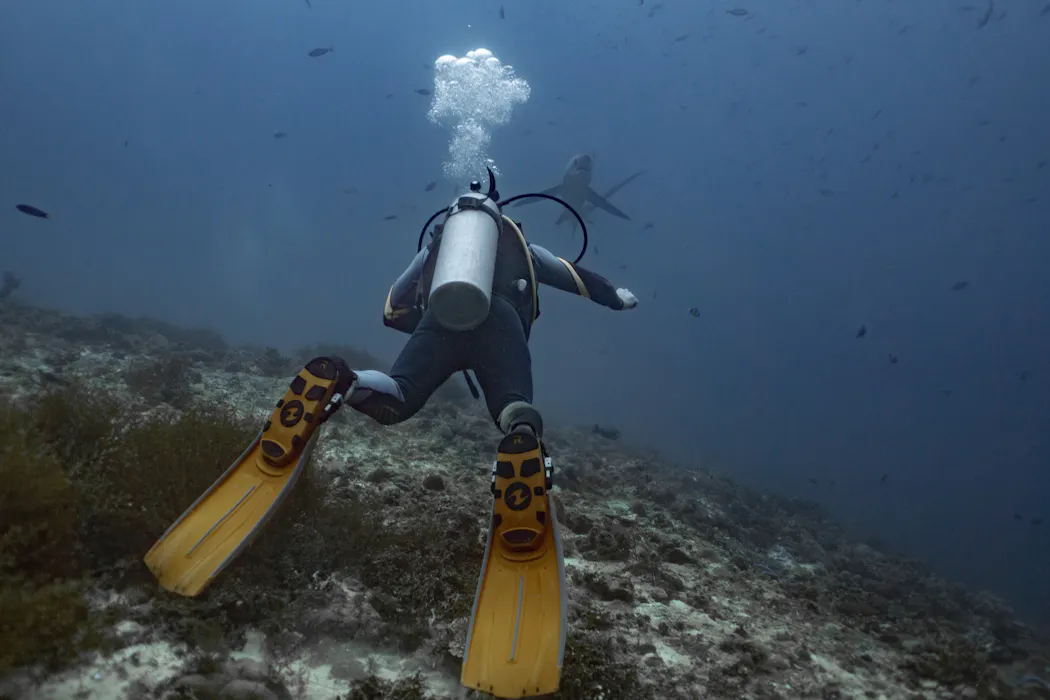
- Scuba divers often underestimate how much damage they can cause to coral reefs.
- The findings are based on interviews and observation of hundreds of divers.
- Scuba diving is frequently promoted as a positive activity within marine ecotourism.
- Coral damage can result from divers’ behaviours and contact with reef structures while diving.
- The studies aim to identify why divers do not perceive the impact as strongly as it occurs.
Scuba diving is often presented as a success story for marine ecotourism.
2 hours agoAs part of our research we interviewed and followed hundreds of scuba divers.
14 hours ago
Supermicro Unveils New Server Portfolio Powered by 6th Gen AMD EPYC 9006 CPUs
Supermicro announces a new server portfolio built around AMD’s 6th Gen EPYC 9006 series processors. The company says the...

Researchers estimate an ultimate biological human lifespan, concluding people will not live forever
Researchers report findings that point to an “ultimate” biological human lifespan, while emphasizing that living forever...

Gold miner reports limited impact from eastern Australia earthquakes on first-half production
Australia’s earthquake activity in the east affects the first-half performance of the world’s biggest gold miner, accord...