


Brazil is using forensic techniques to trace the origin of gold and support efforts to curb illegal mining in the Amazon, according to multiple reports. The approach is often described as “gold fingerprinting,” using laboratory analysis to determine where gold likely came from. Brazilian authorities apply spectrometry-based methods to examine the metal and compare its characteristics with evidence linked to different locations, including whether the gold is associated with protected areas. The goal is to provide more reliable links between illegally mined gold and the sites where it was produced, strengthening prosecutions and enforcement actions. The reports also state that the system is intended to reduce incentives for illegal operations and improve regulatory oversight of gold supply chains. By helping authorities establish provenance, the forensic process is presented as a tool not only for legal cases but also for limiting harms connected to illegal extraction, including environmental impacts such as mercury pollution. Authorities’ use of the technology is framed as part of broader measures to target unauthorized mining activities in the Amazon region.
Brazil uses forensic “gold fingerprinting” to trace origin and curb illegal Amazon mining
Brazil is using forensic techniques to trace the origin of gold and support efforts to curb illegal mining in the Amazon, according to multiple reports. The approach is often described as “gold finger...
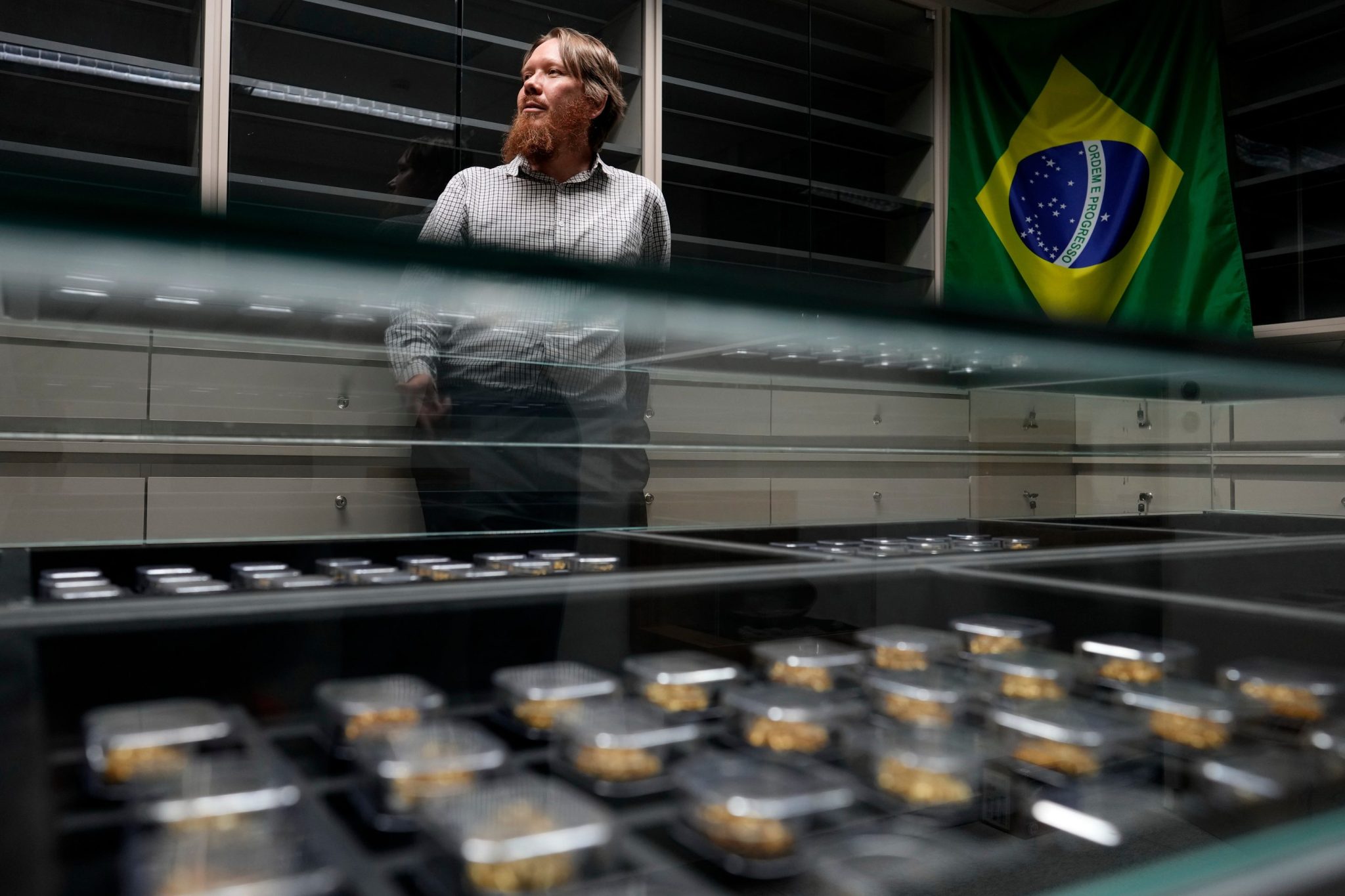
- Brazil uses forensic laboratory methods to analyze gold and determine likely origin.
- The program is described as “gold fingerprinting,” using spectrometry to characterize metal samples.
- Authorities use the results to assess whether gold came from protected or restricted land.
- The forensic findings are intended to support prosecutions and enforcement against illegal mining.
- Reports link the effort to reducing downstream harms, including mercury pollution.
The government uses spectrometry to prove whether gold came from protected land, aiding prosecutions and curbing mercury pollution.
3 hours agoBrazil is using forensic science to tackle illegal gold mining in the Amazon
4 hours ago
Bernadin Dedic sentenced in absentia after mistaken release and failure to return to UK
Bernadin Dedic is sentenced to 18 years in prison after he remains outside the UK following an apparent mistaken release...

Sarah Ferguson’s charity Sarah’s Trust formally closes down
Sarah Ferguson’s charity, Sarah’s Trust, formally closes, according to reporting in multiple outlets. BBC News says the...

Madlanga Commission hears analysis shows Suliman Carrim spent more time outside facility
The Madlanga Commission hears evidence about the movements of businessman Suliman Carrim in relation to a medical facili...