


Multiple outlets report a surge in shandy sales, attributing the renewed interest to broader trends in non-alcoholic and reduced-alcohol drinking. They say demand is supported by growing numbers of younger consumers who choose to be teetotal or cut back on alcohol consumption. Shandy—typically a mix of beer and lemonade or another soft drink—benefits from this shift because it is often perceived as a lighter or more approachable option than standard beer. The reporting frames the increase as part of a wider boom in non-alcoholic drinks, rather than a change limited to shandy alone. Sources do not cite specific market figures or detailed reasons unique to shandy beyond the general movement toward lower- or no-alcohol beverages. Overall, the coverage presents the trend as a revival of a longstanding British drink, driven by changing consumer preferences toward moderation and alcohol-free alternatives.
Shandy sales rise as more consumers cut back on alcohol
Multiple outlets report a surge in shandy sales, attributing the renewed interest to broader trends in non-alcoholic and reduced-alcohol drinking. They say demand is supported by growing numbers of yo...

- Shandy sales are reported to be increasing.
- The revival is linked to rising demand for non-alcoholic or reduced-alcohol drinks.
- Sources say more consumers, including younger drinkers, are cutting back on alcohol.
- The trend is described as part of a broader boost in the non-alcoholic beverage market.
- No specific sales figures are provided in the cited summaries.
Non-alcoholic drinks have seen a boom in recent years as growing numbers of younger drinkers go teetotal or cut back.
3 hours agoNon-alcoholic drinks have seen a boom in recent years as growing numbers of younger drinkers go teetotal or cut back.
3 hours ago
Houthis announce Red Sea blockade tied to U.S.-Iran tensions; Bab el-Mandeb remains contested
Iran-aligned Houthi forces in Yemen announce a “maritime embargo” or naval blockade against Saudi Arabia, which would ta...

Impeachment hearings over Ramaphosa’s Phala Phala matter are suspended
South African President Cyril Ramaphosa receives temporary relief after suspension of impeachment hearings related to th...
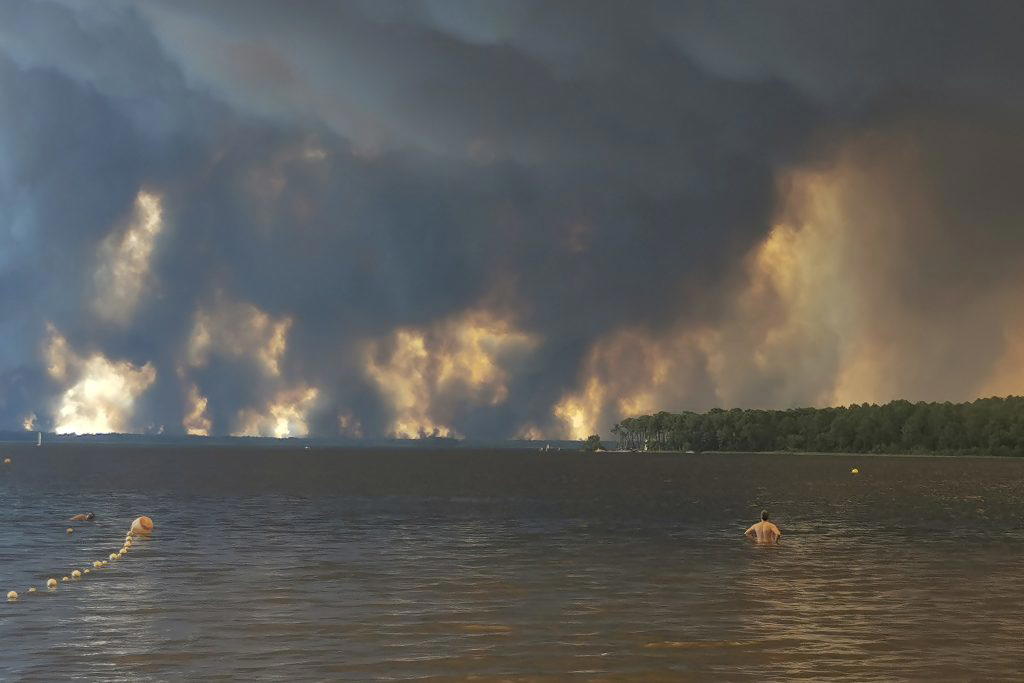
Tens of thousands evacuate as wildfires spread in France and Spain, some escape by boat
Wildfires burn out of control in southwestern France and central Spain, prompting large-scale evacuations. Authorities i...