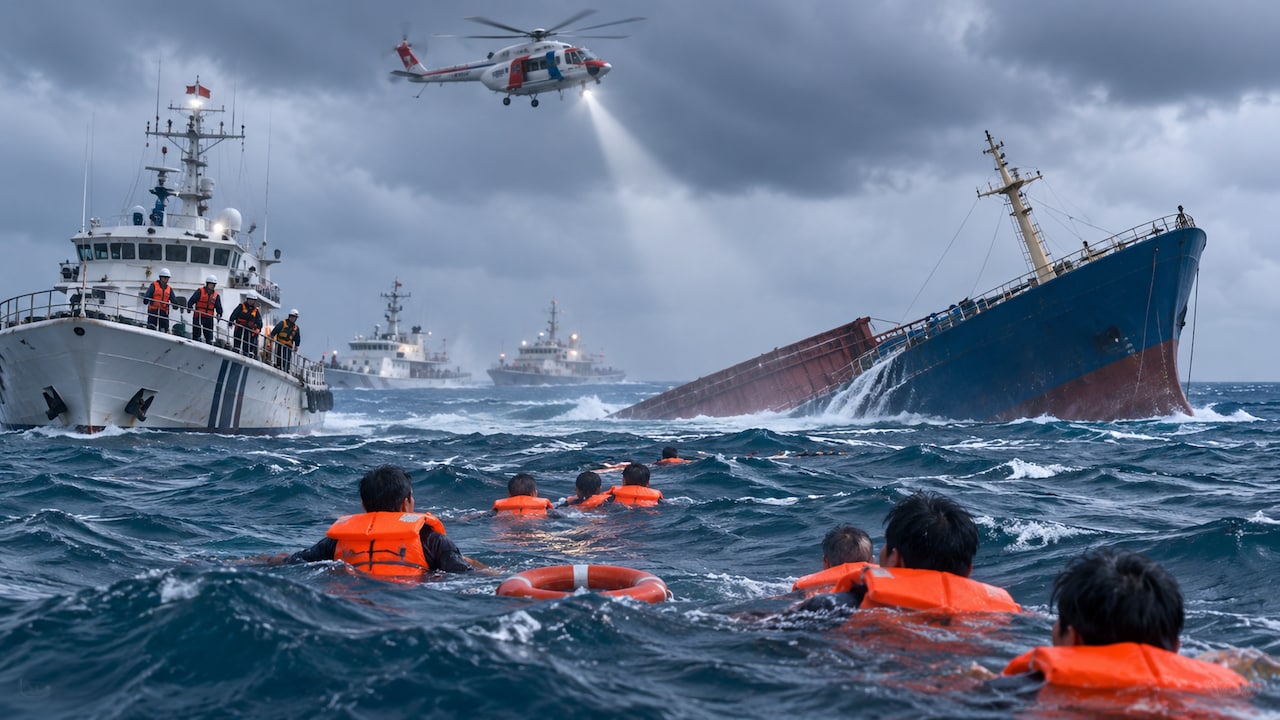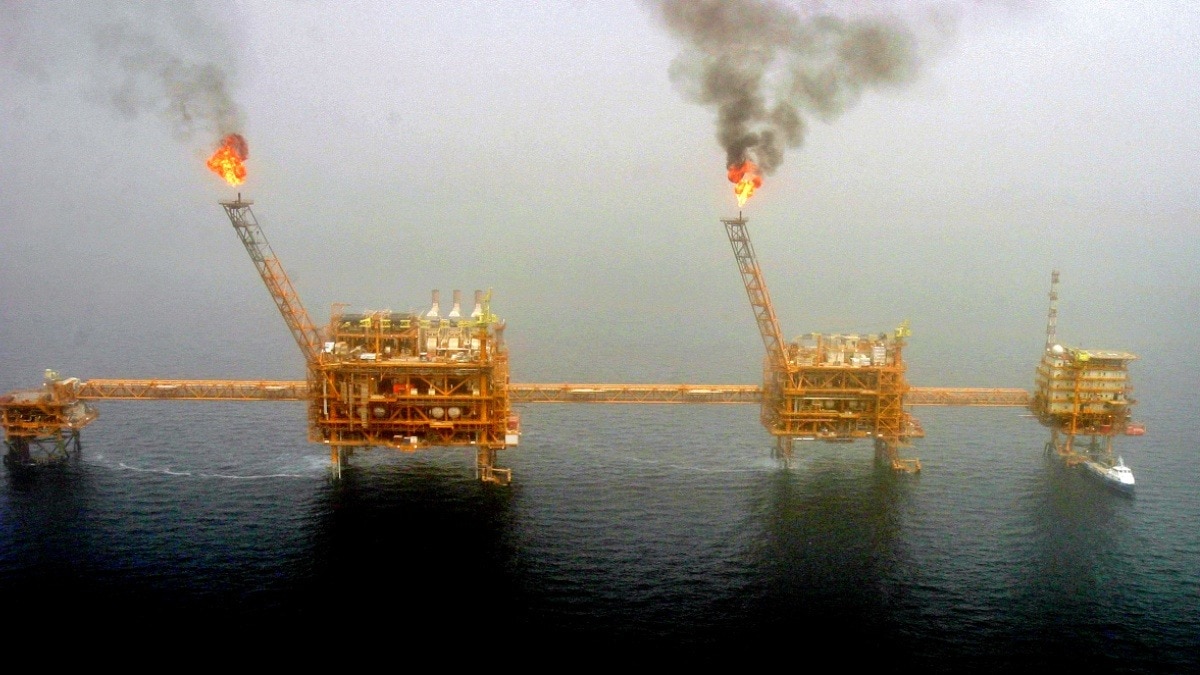
Multiple Australian outlets report that the Iran crisis, including tensions involving the Strait of Hormuz, has effects that can reach beyond immediate military and geopolitical concerns. The articles argue that disruption in key shipping routes and potential impacts on global freight and shipping insurance can raise costs and affect delivery timelines for goods moving through international supply chains. Fast fashion, which relies on frequent, rapid replenishment of inventory and global sourcing of materials and finished products, is presented as particularly exposed to delays or cost increases.
The reports frame the connection as indirect but practical: changes to maritime transport conditions can influence the price of imported textiles, garments, and components, and can also affect retailers’ ability to meet product demand on tight schedules. As a result, even consumers far from the region may see downstream consequences through higher prices, reduced availability, or shifts in delivery performance. Across the sources, the core message is that geopolitical instability can propagate through logistics and retail supply networks, affecting sectors not typically associated with the crisis.