


UNESCO decides to add a group of ancient Japanese sites in Nara Prefecture to the World Heritage list, recognizing evidence of how Japan’s centralized state develops. The sites are titled “Asuka-Fujiwara: Archaeological sites of Japan’s Ancient Capitals and Related Properties.” The World Heritage Committee makes the decision at a meeting held in Busan, South Korea. Sources describe the ruins as important for understanding the early formation of Japan’s political and administrative system. The inscription is presented as Japan’s 27th World Heritage site. While the reporting focuses on the committee’s formal decision and the significance of the selected locations, both outlets identify the same UNESCO program action, the same site name, and the same context of the decision during the committee meeting. The addition increases the number of World Heritage properties in Japan and highlights the international recognition of the historical archaeological record in the Asuka and Fujiwara areas.
UNESCO adds Asuka–Fujiwara ancient sites in Nara to World Heritage list
UNESCO decides to add a group of ancient Japanese sites in Nara Prefecture to the World Heritage list, recognizing evidence of how Japan’s centralized state develops. The sites are titled “Asuka-Fujiw...
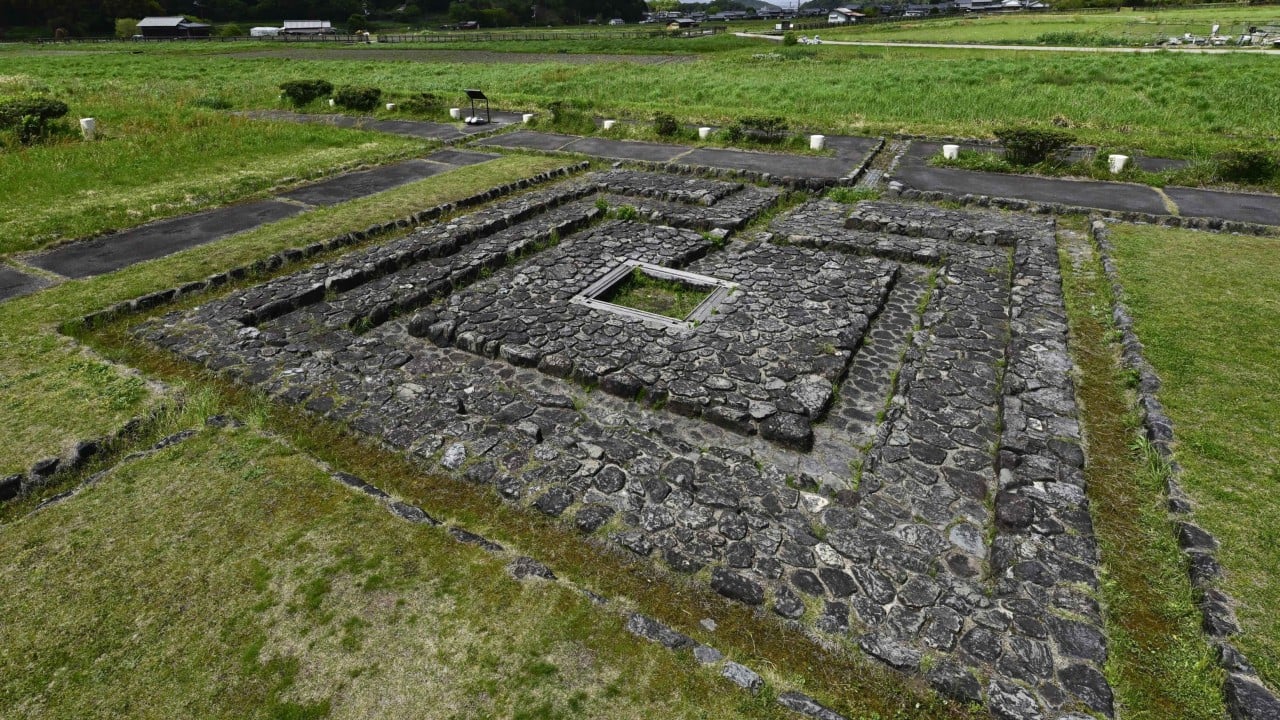
- UNESCO inscribes the “Asuka-Fujiwara: Archaeological sites of Japan’s Ancient Capitals and Related Properties” on the World Heritage List.
- The newly listed sites are located in Nara Prefecture.
- The World Heritage Committee makes the decision during its meeting in Busan, South Korea.
- The inscription cites the sites’ role in showing the formation of Japan’s centralized state.
- The move is reported as Japan’s 27th World Heritage site.
UNESCO decided Sunday to add a group of ancient sites in Nara Prefecture that show the formation of Japan's centralized state to the World Heritage list, marking the…
3 hours agoUnesco decided on Sunday to add a group of ancient sites in Nara prefecture that show the formation of Japan’s centralised state to the World Heritage list, marking the country’s 27th such site. The decision on the Asuka-Fujiwara: Archaeological sites of Japan’s Ancient Capitals and Related Properties was made during a meeting of the United Nations Educational, Scientific and Cultural Organisation World Heritage Committee held in Busan, South Korea. The ruins are highly regarded for showing the...
5 hours ago
Babachir Lawal Explains Why Buhari Did Not Publicly Back Tinubu in APC 2023 Primary
Former Secretary to the Government of the Federation (SGF) Babachir Lawal says late former President Muhammadu Buhari di...

Troy Jackson emerges as Maine Democrats’ nominee to challenge Susan Collins
Democrats in Maine are consolidating behind Troy Jackson to replace departing Senate nominee Graham Platner, setting up...

Andy Burnham says he will defend UK interests and challenge Trump if needed
In his first major broadcast interview since becoming UK prime minister, Andy Burnham tells the BBC he is prepared to ch...