


The Trump administration imposes double-digit tariffs on more than 60 countries, according to reporting that cites the legal basis for the measures. The administration relies on a statute it describes as allowing the president to levy import taxes and other trade sanctions against countries determined to engage in certain kinds of problematic trade practices. The justification referenced in the coverage ties the tariff authority to actions the government characterizes as “unjustifiable,” “unreasonable,” or “discriminatory.” While the policy is presented as a response to trade conduct, the articles frame the move in legal and political terms, describing it as potentially resembling a forced-labor crackdown approach or as a way to act outside—rather than through—Congress, depending on how the tariffs are interpreted and implemented. Across the sources provided, the central facts are consistent: tariffs are applied to more than 60 countries, they are set at double-digit rates, and the administration points to broad executive authority to impose import taxes and sanctions linked to targeted findings about trade practices.
Trump administration imposes double-digit tariffs on 60-plus countries under broad trade powers
The Trump administration imposes double-digit tariffs on more than 60 countries, according to reporting that cites the legal basis for the measures. The administration relies on a statute it describes...
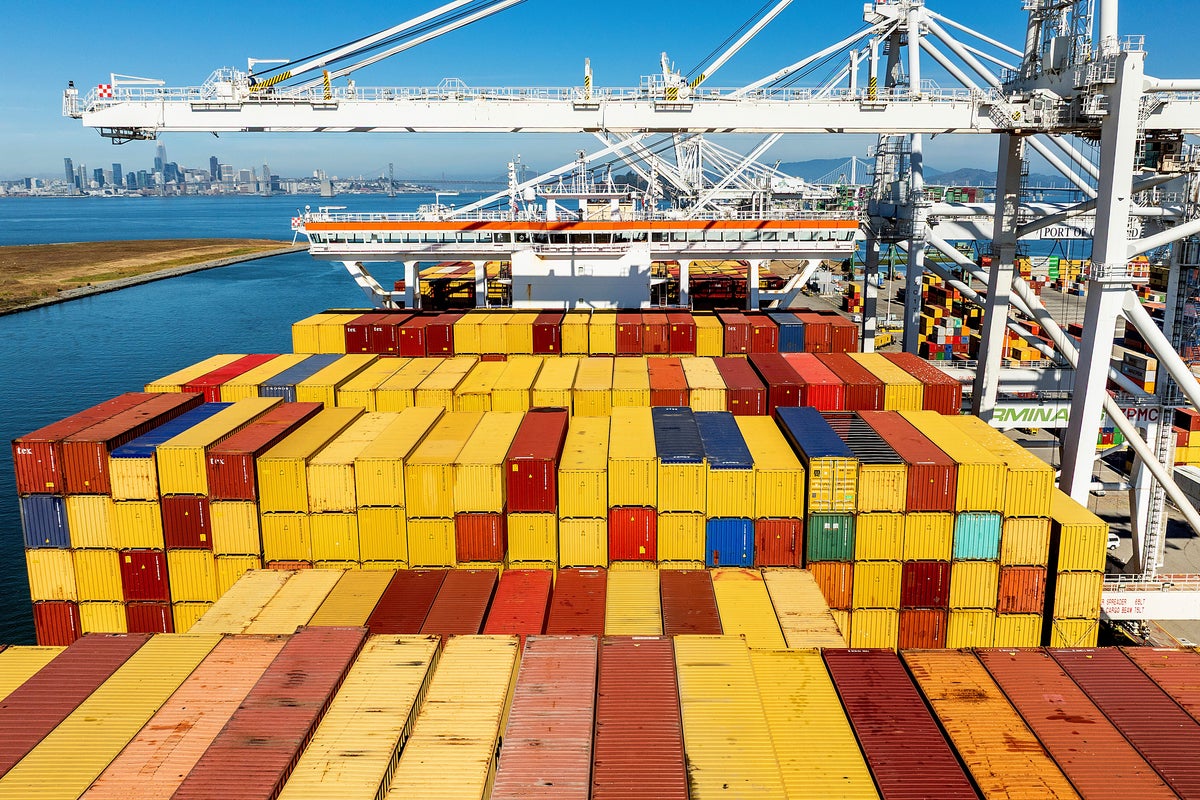
- The Trump administration imposes tariffs on more than 60 countries.
- The tariffs are double-digit rates.
- The administration cites legal authority to impose import taxes and other sanctions.
- The referenced justification allows action against countries found to engage in “unjustifiable,” “unreasonable,” or “discriminatory” trade practices.
- Some reporting characterizes the move as potentially raising questions about whether it bypasses Congress.
NEW YORK (AP) — The Trump administration has imposed double-digit tariffs on more than 60 countries, using a legal justification that permits the president to levy import taxes and other sanctions against countries found to engage in “unjustifiable,” “unreasonable” or “discriminatory” trade practices.
2 hours agoThe Trump administration has levied tariffs on more than 60 countries, using a legal justification that permits the president to impose import taxes and other sanctions against countries found to engage in “unjustifiable,” “unreasonable” or “discriminatory” trade practices
2 hours ago
Babachir Lawal Says Obi-Kwankwaso Joint Ticket Has 70% Chance in 2027
Former Secretary to the Government of the Federation, Babachir Lawal, says a joint presidential ticket featuring Labour...

L.A. Homeless Count Spurs Scrutiny Ahead of Mayor Karen Bass Reelection
Los Angeles’ rising homeless population is drawing renewed scrutiny as Mayor Karen Bass faces an election environment th...
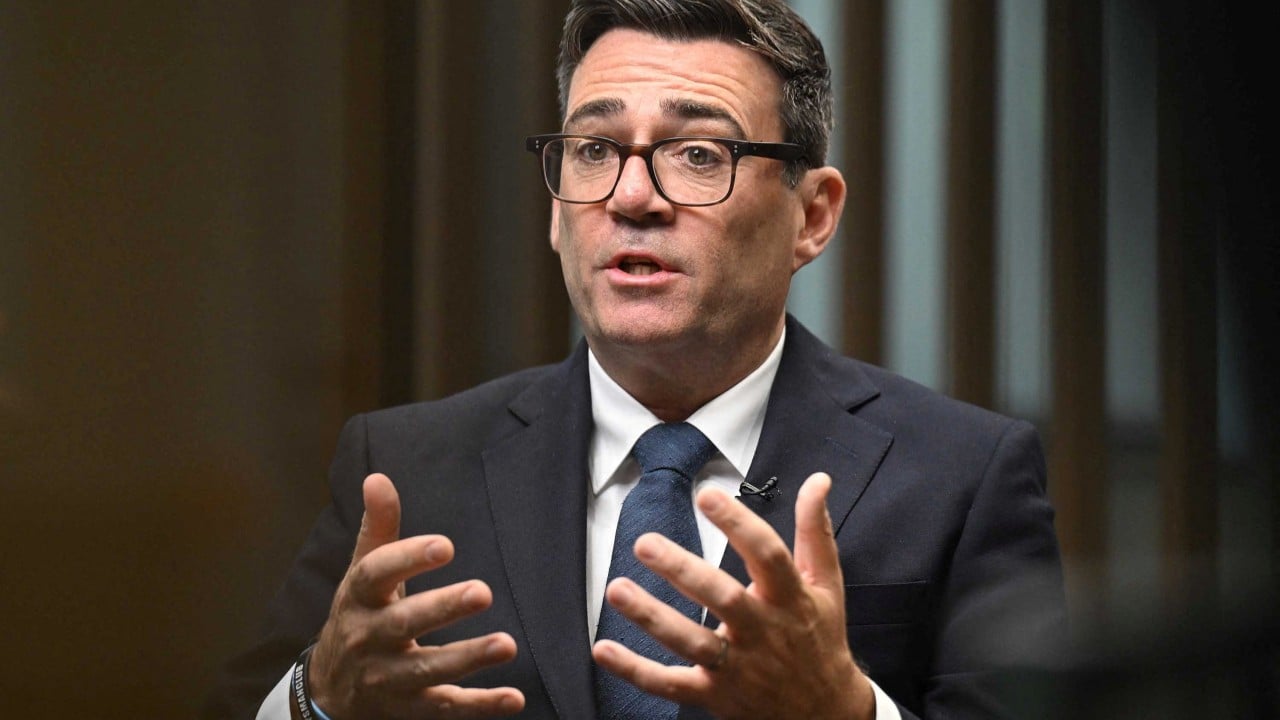
Andy Burnham says he will challenge Trump if it aligns with UK interests
In his first major broadcast interview since becoming UK prime minister, Andy Burnham tells the BBC he has had a “warm”...