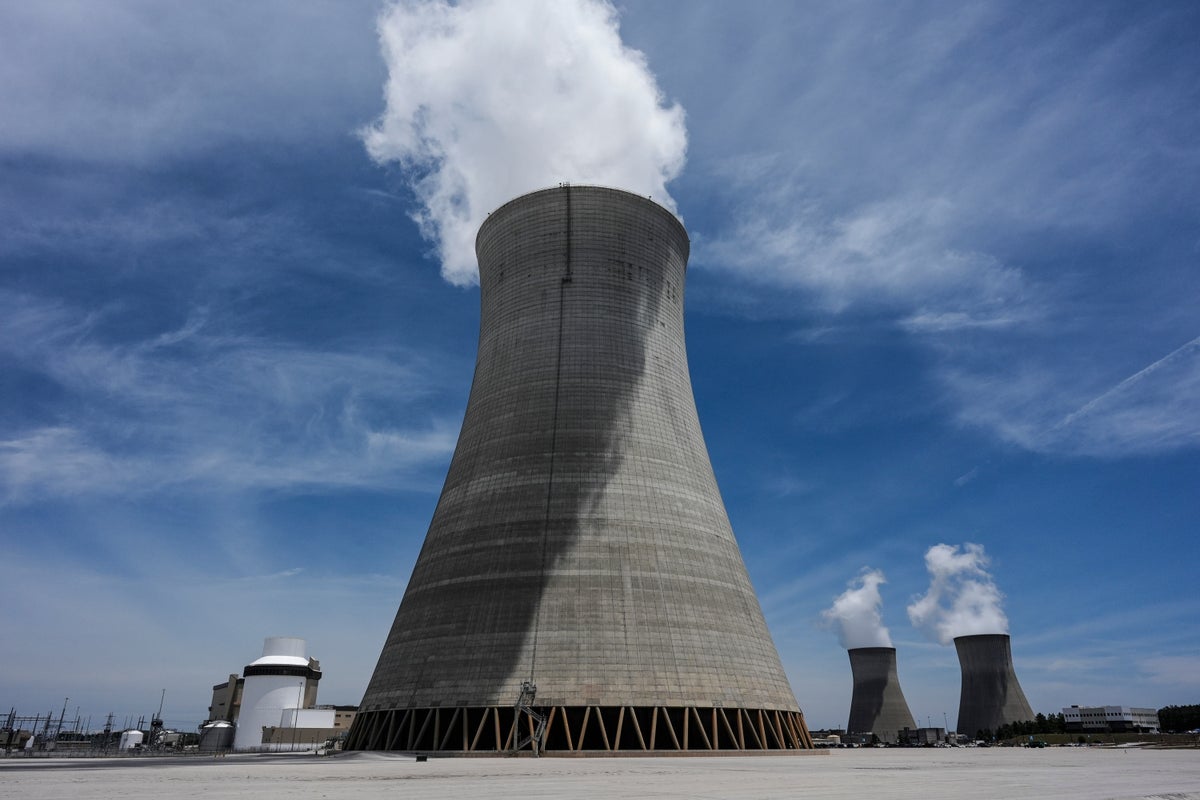
Multiple outlets report that the U.S. Nuclear Regulatory Commission (NRC) has proposed removing a long-standing radiation safety principle that has been in place for about 50 years and is designed to limit how much radiation members of the public receive. The rule is widely described as a foundational standard meant to keep radiation exposures as low as reasonably achievable, and it has also influenced regulatory approaches in other countries.
According to the reports, the NRC’s proposal is framed as a regulatory change tied to the agency’s broader review of radiation protection requirements as the United States pursues expanded nuclear power. The outlets note that the NRC is seeking to eliminate what it characterizes as an established safety rule, while other accounts emphasize that the rule has historically helped minimize exposure levels.
The reporting does not detail final outcomes or timelines, but it indicates that the NRC proposal is under consideration and that it would represent a significant shift from current radiation safety practices if adopted. Public and international regulators are expected to closely watch how the change would affect exposure limits and the basis for radiation protection standards.