


Singapore’s central bank, the Monetary Authority of Singapore (MAS), tightens monetary policy for a second time in three months, citing renewed inflation risks linked to volatile global energy markets. MAS manages medium-term price stability by adjusting the Singapore dollar’s exchange rate rather than setting a traditional interest-rate target. In its latest decision, MAS increases the rate of appreciation of the local dollar against a trade-weighted basket of currencies. Both outlets attribute the policy move to the persistence of elevated oil prices, which remain high amid heightened geopolitical tensions in the Middle East following attacks involving the United States, Israel, and Iran that began in late February. The resulting uncertainty in energy markets is described as continuing to affect inflation expectations, prompting MAS to tighten policy to mitigate domestic price pressures. The decision is framed as a continuation of actions taken earlier this year, with the latest change occurring Monday, roughly three months after the prior tightening.
Singapore Monetary Authority tightens currency policy for second time in three months
Singapore’s central bank, the Monetary Authority of Singapore (MAS), tightens monetary policy for a second time in three months, citing renewed inflation risks linked to volatile global energy markets...
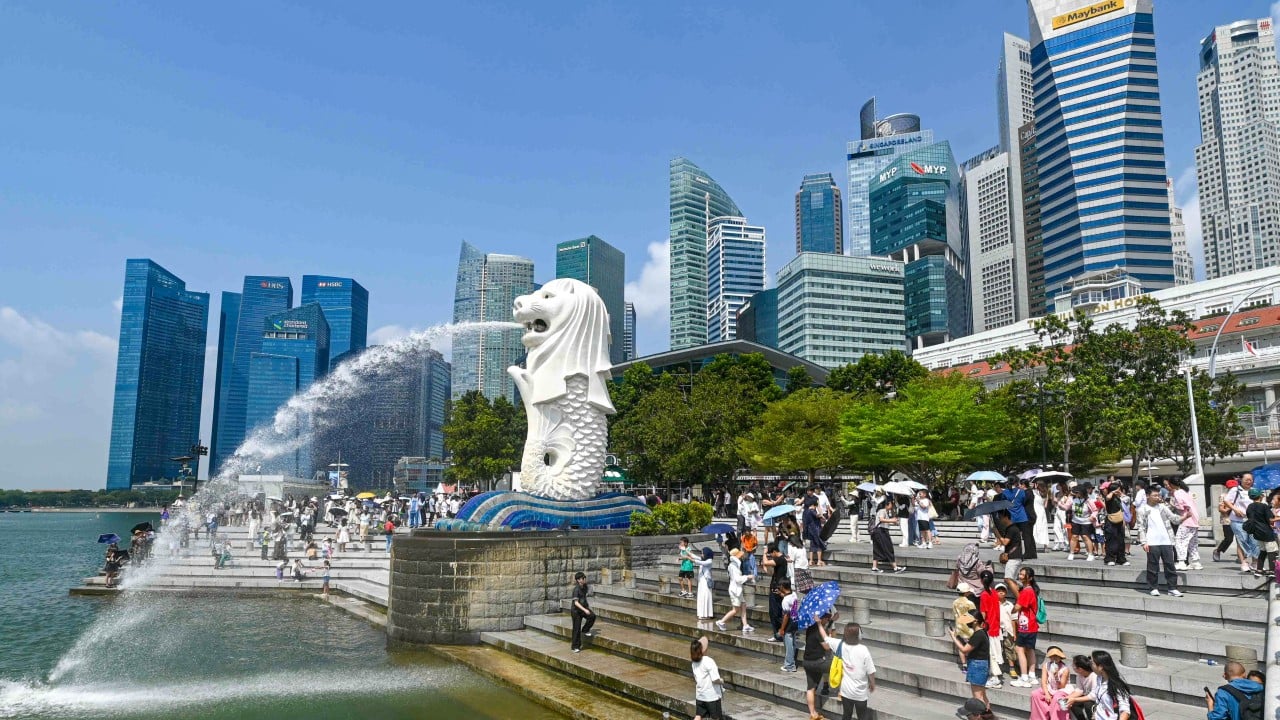
- MAS tightens monetary policy again for the second time in three months.
- MAS adjusts the Singapore dollar’s exchange rate, increasing the rate of appreciation against a trade-weighted currency basket.
- The tightening reflects elevated oil prices tied to ongoing Middle East tensions.
- MAS cites elevated inflation risk as a key driver of the decision.
Singapore tightened monetary policy on Monday for the second time in three months, as the fallout from the US war against Iran keeps global energy markets volatile and inflation risks elevated. The Monetary Authority of Singapore (MAS) said it would increase the rate of appreciation of the local dollar’s trade-weighted value. The move comes as oil prices remain elevated owing to tensions in the Middle East, sparked by the US-Israel attacks on Iran that began on February 28, and continue to cast...
4 hours agoUnlike most central banks, the MAS manages medium-term price stability by managing the Singapore dollar exchange rate against a trade-weighted basket of currencies.
9 hours ago
Kalyan Jewellers shares swing after Q1 revenue growth and Citi’s bullish note
Kalyan Jewellers’ share price reacts to its June-quarter business update and brokerage commentary. Multiple reports say...
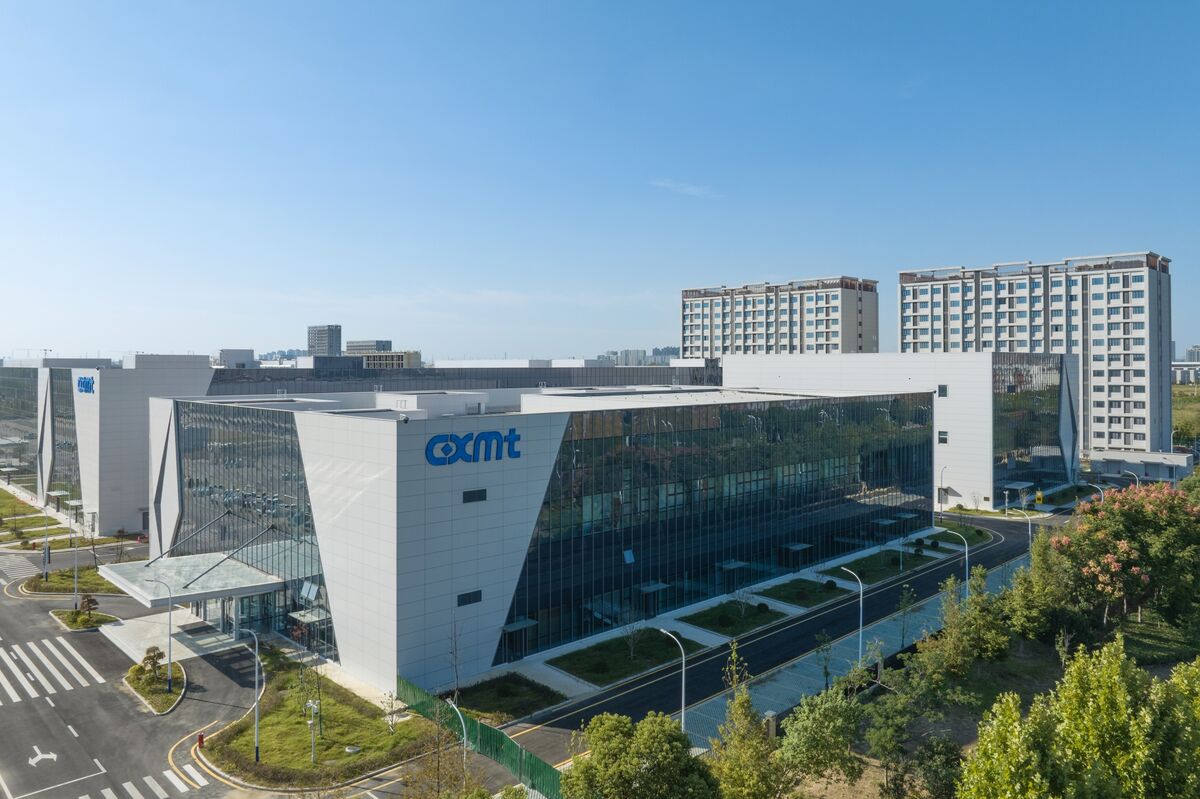
CXMT prices record Shanghai IPO, aiming to raise about $8.5 billion
ChangXin Memory Technologies (CXMT), China’s leading DRAM memory chipmaker, prices its Shanghai STAR Market initial publ...
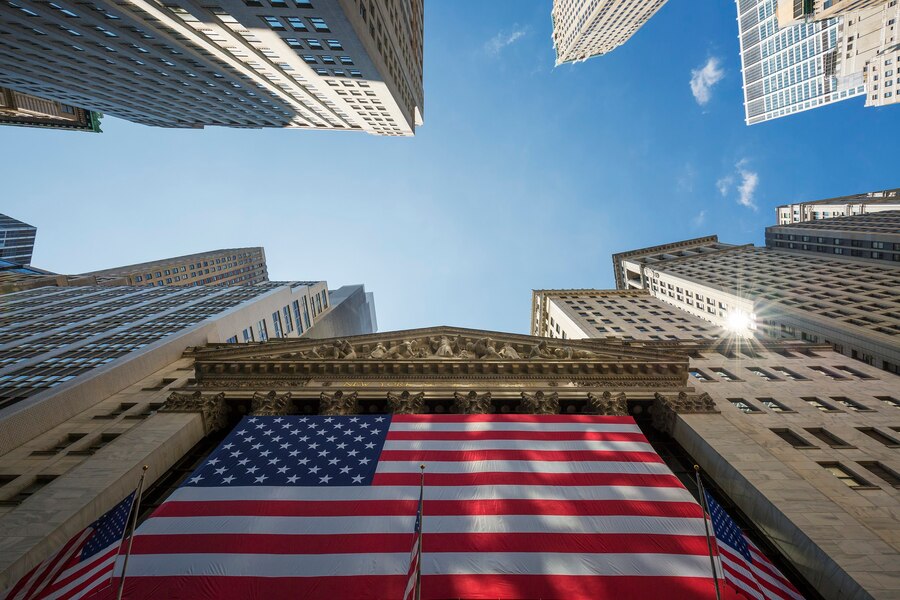
S&P 500 and Dow rise as chip and earnings support; Nasdaq edges lower then rebounds
US stocks trade higher in the early session as investors weigh corporate earnings, oil moves, inflation expectations, an...