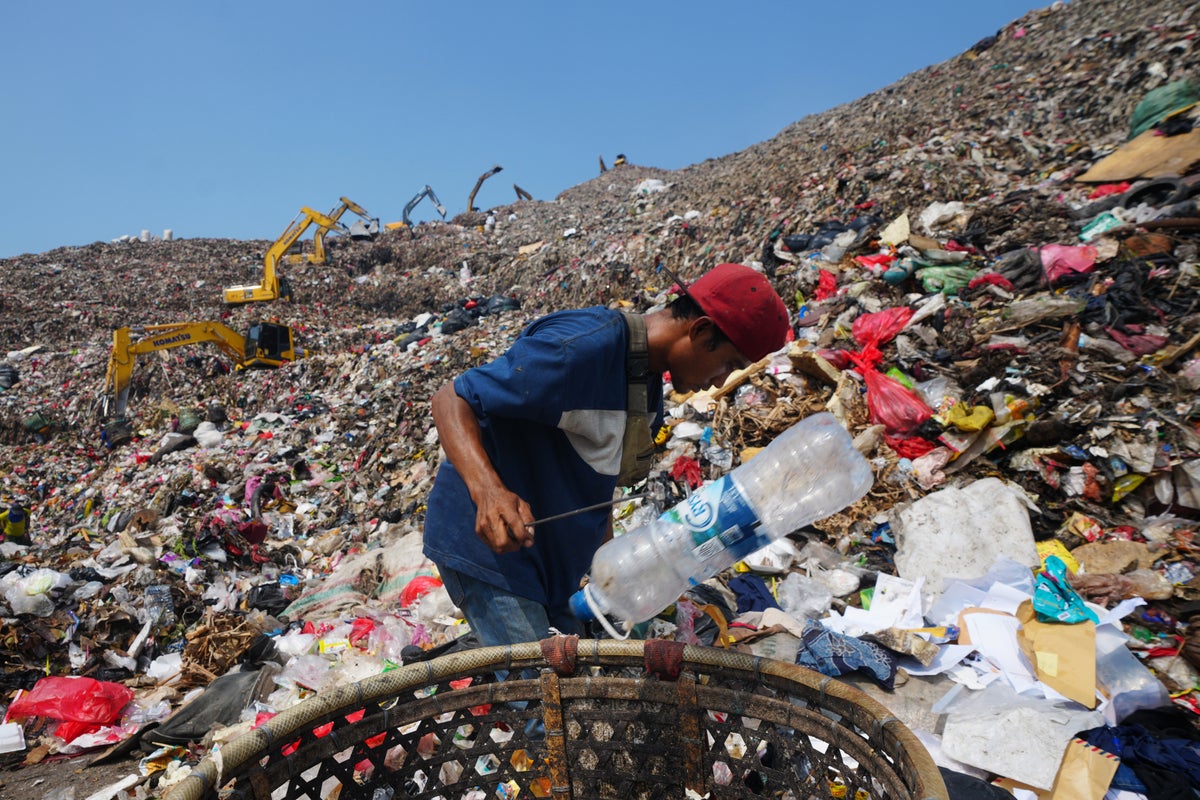
Indonesia’s efforts to cut methane emissions at landfill sites are beginning to change conditions for people who rely on waste picking, according to reporting from multiple outlets. The changes are centered on Bantargebang, described as one of Indonesia’s largest landfills near Jakarta. Waste pickers, including people who have worked there for years, say they are watching for policy shifts that could reduce or end practices such as open dumping. One concern raised is that broader enforcement or crackdowns could affect access to areas where waste is collected and sorted, potentially disrupting established income for families supported by informal work at the site.
At the same time, the reports link the landfill’s operational changes to the government’s stated methane-reduction objectives. While the outlets emphasize different angles—some focusing on environmental goals and others on the human impact—the overall picture is that landfill management reforms aimed at reducing greenhouse gas emissions are now intersecting with the day-to-day realities of waste workers. The situation is portrayed as evolving, with waste pickers weighing how new rules and enforcement may alter their work and livelihood.