


President Cyril Ramaphosa says South Africa’s water crisis is largely driven by poor municipal performance, weak maintenance of infrastructure, and inadequate financing for water and sanitation services. According to the reporting, government links service failures—such as unreliable supply and deteriorating systems—to gaps in how municipalities plan, manage, and fund water-related infrastructure. Ramaphosa’s proposals, as described in the articles, focus on reforms intended to improve municipal management and strengthen service delivery. The plan also includes measures to address infrastructure constraints, including the need for better maintenance and support for assets and networks that deliver water to communities. While the coverage emphasizes the role of municipalities, it also frames the government response as coordinated support and oversight to reduce breakdowns and improve the reliability of services. The articles describe the approach as practical and targeted, aiming to correct operational and financial shortcomings that contribute to water shortages and water-quality risks. Overall, the reporting presents the government’s intent to reform how water services are run and financed, with the goal of easing the crisis across affected areas.
Ramaphosa outlines plans to address South Africa’s water crisis
President Cyril Ramaphosa says South Africa’s water crisis is largely driven by poor municipal performance, weak maintenance of infrastructure, and inadequate financing for water and sanitation servic...

- President Cyril Ramaphosa attributes South Africa’s water crisis to poor municipal management.
- The crisis is also linked to inadequate maintenance of water and sanitation infrastructure.
- Insufficient financing for water services is cited as a contributing factor.
- Government plans reforms aimed at improving municipal service delivery and reliability.
- The proposals include steps to address infrastructure challenges affecting water supply.
President Ramaphosa says South Africa’s water crisis is being driven by poor municipal management, maintenance and financing, with government promising reforms to address service failures and infrastructure challenges.
3 hours ago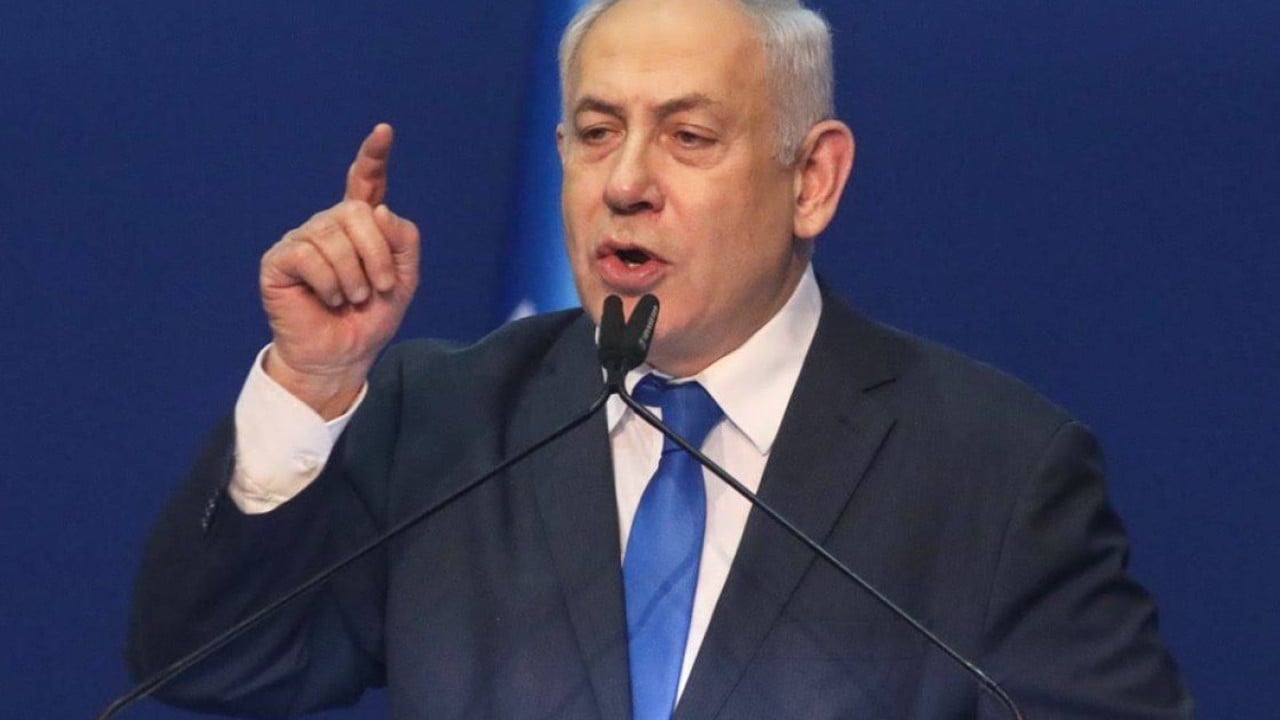
Netanyahu accuses NYC mayor Mamdani of fomenting hate over ICC arrest call
Israeli Prime Minister Benjamin Netanyahu accuses New York City Mayor Zohran Mamdani of “fomenting hate,” after Mamdani...

Andy Burnham considers replacing council tax with new reform options
Reports say Andy Burnham is considering potential changes to local taxation, including options to replace council tax an...
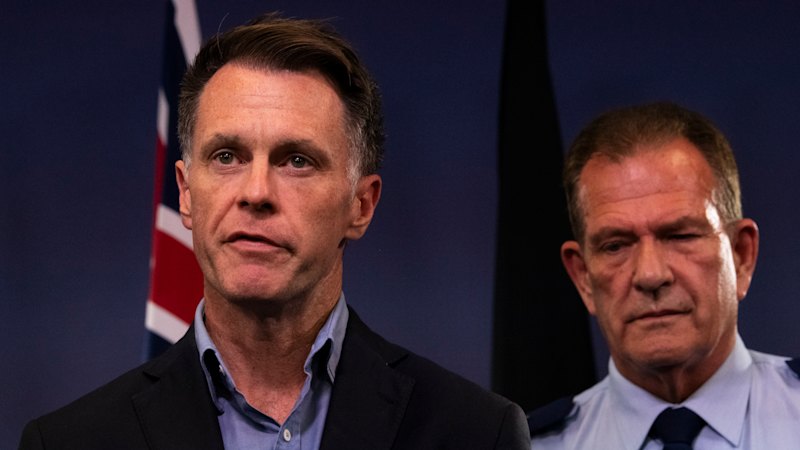
NSW Police reject Minns proposal to arm guards for public Jewish events
NSW Police publicly oppose a proposal from Premier Chris Minns to allow armed security guards for public Jewish events,...