


A study reports that a “priority 1” superbug on the World Health Organization’s watchlist is shifting between pets and people, with evidence suggesting transmission risk is higher between companion animals and humans than between humans and other animal groups. The findings, cited by The Independent, indicate that the genetic or epidemiological links observed for this bacterium involve repeated movement across the pet–human interface rather than being largely confined to livestock or wildlife. The study frames this pattern as a potential public-health concern because close contact between pets and their owners can increase opportunities for the bacterium to spread. It also contrasts the situation with farm animals and wildlife, where the risk of transmission to and from humans is described as lower. The reporting emphasizes that the research highlights the role of household animals in the broader circulation of antimicrobial-resistant bacteria, supporting the need for continued monitoring and investigation into how these organisms move across species.
WHO priority 1 superbug moves between pets and humans, study finds
A study reports that a “priority 1” superbug on the World Health Organization’s watchlist is shifting between pets and people, with evidence suggesting transmission risk is higher between companion an...
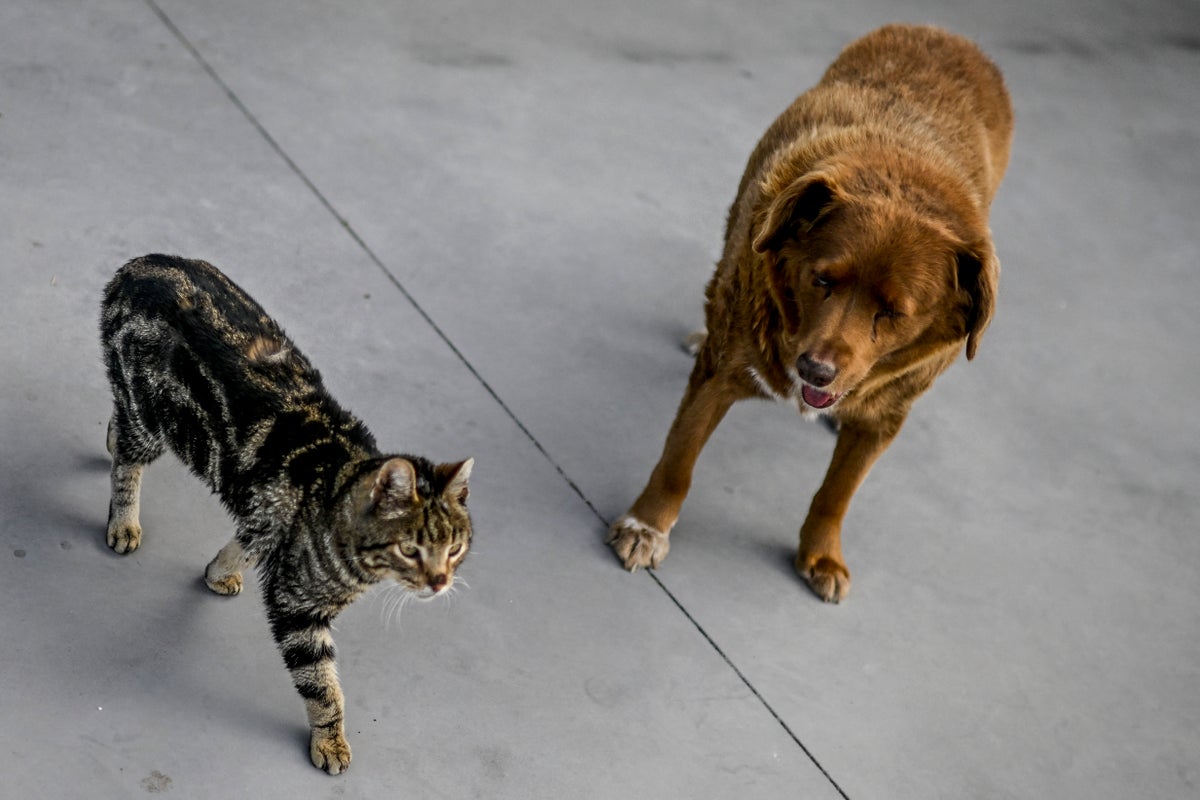
- The superbug is rated “priority 1” on the WHO watchlist.
- The study finds evidence of transmission between pets and humans.
- The risk of transmission between pets and humans is described as higher than for farm animals or wildlife.
- The research supports ongoing monitoring of antimicrobial-resistant bacteria across human and animal populations.
- The reported pattern focuses on movement across the companion-animal/household setting.
Risk of transmission to and from humans seen as being much higher in pets than in farm animals or wildlife
5 hours ago
Reports revisit Anthony Fauci’s central role in U.S. COVID-19 response
Multiple outlets revisit Anthony Fauci’s role in the U.S. government’s COVID-19 response, describing him as a key public...

Ram Charan visits Coimbatore hospital for wrist surgery after injury during ‘Peddi’ shoot
Actor Ram Charan travels to Coimbatore with family members to undergo wrist surgery following an injury sustained during...
Jacinta Allan faces leadership turmoil as reports detail spill and calls to colleagues
Multiple outlets report an intense day of political upheaval in Victoria involving Premier Jacinta Allan. The coverage d...